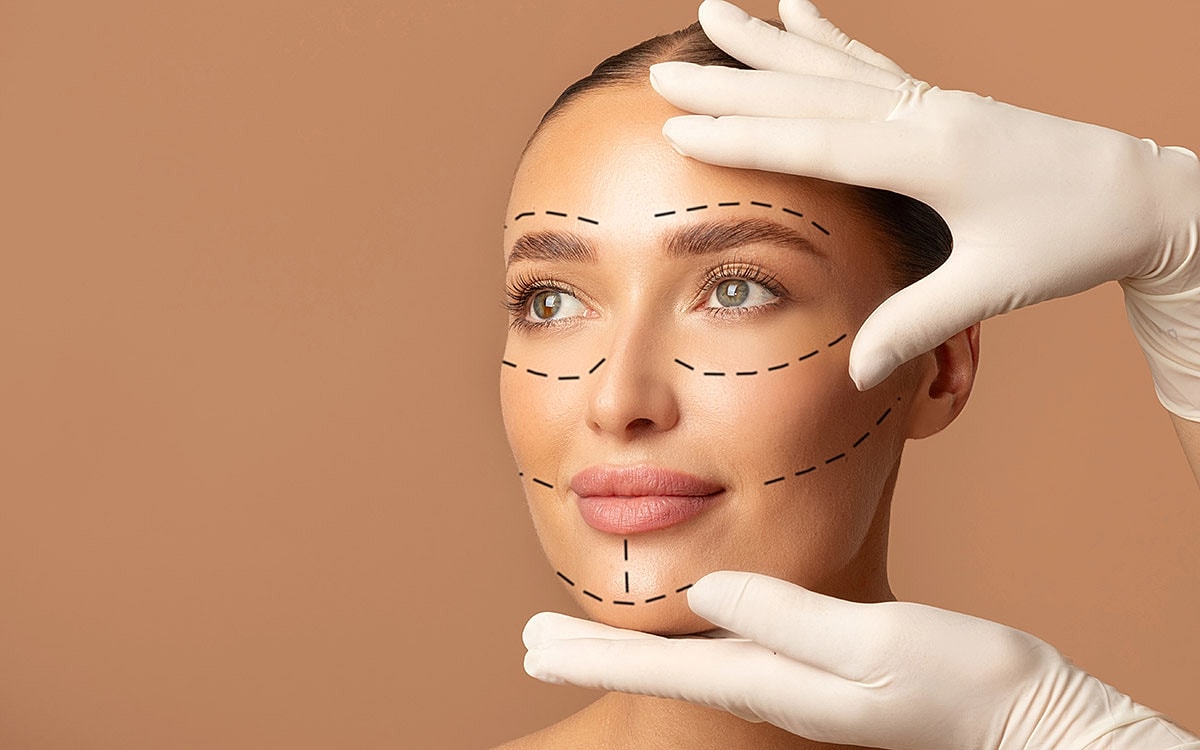


Loose skin, neck bands, or stubborn fat: how to tell which you have and which neck lift option fits.
Turkey neck is usually a mix of three things: loose skin, vertical bands from the platysma muscle, and fat under the chin. Injections can soften neck bands or reduce fat, but no injection removes excess skin. Surgical options range from neck liposuction to platysmaplasty to a full lower face and neck lift, depending on which components you have.
It often shows up in a side-angle photo or on a video call. The smooth angle between your chin and neck has softened, and loose skin or vertical cords seem to hang where they didn't before. That look is commonly called turkey neck, and it's one of the most frequent concerns patients bring to a facial plastic surgeon.
Interest in fixing it is rising fast. According to the American Society of Plastic Surgeons, neck lifts increased 21 percent in 2025, one of the largest gains of any procedure.
This guide explains what turkey neck is, how to tell which components you have, and how each is treated. It reflects the approach of board-certified plastic surgeon Dr. Siamak Agha in Newport Beach, who builds every neck plan around the patient's specific anatomy.
What Is Turkey Neck?
"Turkey neck" isn't a medical term. It's a common way to describe a neck with loose, sagging skin, often with visible vertical bands and extra fullness under the chin. According to Cleveland Clinic, it involves three parts of the neck: the skin, the fat, and the platysma muscle.
Loose Skin
As skin loses collagen and elasticity, it no longer drapes tightly over the jaw and neck. The extra skin can hang in folds, sometimes called a "wattle."
Platysma Muscle Bands
The platysma is a thin, sheet-like muscle that runs down the front of the neck. With age, its inner edges can separate and become visible as vertical cords, often called neck bands. They tend to look more pronounced when you talk, tense your neck, or grimace.
Fat Under the Chin
Some people have extra fat beneath the chin, which softens the jawline. This condition is often called a double chin. A double chin and turkey neck are different concerns, but they frequently appear together.
Why Turkey Neck Happens
Turkey neck develops gradually as several factors combine. Cleveland Clinic lists aging, weight changes, genetics, sun exposure, and smoking among the main contributors. You can also read more about what causes neck aging.
Aging and Genetics
Aging thins the skin and loosens the platysma muscle. Genetics influence how early this happens and how your neck ages, which is why some people notice changes in their 40s and others much later.
Weight Loss, Including GLP-1 Medications
Significant weight loss can reveal loose neck skin that was once filled out by fat. Many patients losing weight on GLP-1 medications notice this change. The weight loss itself doesn't cause turkey neck, but it can make existing laxity more visible.
Sun, Smoking, and Lifestyle
Sun exposure breaks down collagen, and smoking reduces blood flow to the skin. Both speed up skin aging, including in the neck, which people often overlook when applying sunscreen.
How to Tell Which Turkey Neck Component You Have
Most turkey necks involve more than one component, and each responds to different treatment. A few simple self-checks can give you a general idea, but they're only a guide. An in-person exam is the only reliable way to identify what's driving your concern.
Simple Self-Checks
Gently pinch the area under your chin. If you can grab a soft layer, fat may be a factor. Clench your jaw or grimace in the mirror. If vertical cords appear, platysma bands are likely involved. Look down, then straighten your neck. If skin folds and hangs, loose skin is part of the picture.
Why Most Necks Have More Than One Component
Skin, fat, and muscle age together, so it's common to have a combination. Treating only one, such as removing fat when loose skin is the main issue, can leave the neck looking incomplete.
Turkey neck isn't one problem. It's skin, muscle, and fat, and each needs a different fix.
What Non-Surgical Treatments Can and Can't Do
Non-surgical treatments can improve some parts of the turkey neck. The ASPS lists Botox, Kybella, lasers, radiofrequency microneedling, and ultrasound among non-surgical options but notes that a neck lift itself can only be performed surgically.
Botox for Neck Bands
Botox can relax the platysma muscle and soften visible bands. In October 2024, the FDA approved Botox Cosmetic to temporarily improve the appearance of moderate to severe platysma bands, as reported by Healio. Results are temporary, and Botox doesn't remove loose skin.
Kybella for Fat Under the Chin
Kybella for double chin reduction uses injections to break down fat cells under the chin. It usually takes several sessions. It reduces fat but doesn't tighten skin or treat bands.
Energy Devices for Mild Laxity
Radiofrequency and ultrasound devices may mildly tighten skin in people with early laxity. Cleveland Clinic notes that non-surgical results are often subtle and may need repeat sessions.
Where Non-Surgical Treatments Stop Working
When loose skin is significant or bands are pronounced, injections and devices reach their limit. Cleveland Clinic describes facelift and neck lift surgery as the gold standard for these cases.
Injections can soften neck bands or reduce fat, but no needle removes loose skin.
Turkey Neck Surgery Options
Turkey neck surgery is tailored to the components you have. Neck liposuction removes excess fat. Platysmaplasty tightens the neck muscle and corrects bands. Skin excision removes loose skin. A lower face and neck lift combines these steps for comprehensive correction. The ASPS notes that a neck lift can address fat under the chin, loose skin, and muscle banding.
Neck Liposuction
When fat under the chin is the main issue and your skin still has decent elasticity, neck liposuction can sharpen the jawline through small incisions. It doesn't correct bands or significant loose skin. Learn more about neck liposuction vs. a neck lift.
Platysmaplasty and Corset Platysmaplasty
Platysmaplasty tightens the platysma muscle to correct visible bands. According to StatPearls, bands form when the inner edges of the platysma separate, and platysmaplasty stitches those edges back together. In a corset platysmaplasty, the muscle edges are sutured together along the midline under the chin, creating a firmer, more defined neck.
Skin Excision
When loose skin is a major factor, the surgeon removes and redrapes the excess. StatPearls describes skin being tailored and removed as part of closure. Incisions are typically placed behind the ears and in natural creases to keep scars discreet.
Lower Face and Neck Lift, or Neck Lift with a Facelift
Many patients with a turkey neck also have jowls or lower face laxity. Combining a neck lift and platysmaplasty in Newport Beach with a facelift can address the jawline and neck together for a more balanced result. Your surgeon will help you decide whether a neck lift alone is enough.
Platysmaplasty for Neck Bands: What to Expect
Platysmaplasty is one of the most effective ways to correct prominent neck bands. It is often combined with neck liposuction or a neck lift for a complete result.
Who Is a Good Candidate
Good candidates have visible vertical bands that remain when the neck is relaxed or that worsen with movement. They are in excellent overall health, don't smoke, and have realistic expectations. Dr. Agha evaluates the strength of the bands, the amount of fat, and skin quality to decide whether platysmaplasty alone or a combined procedure fits best.
Risks to Discuss
Like any surgery, platysmaplasty carries risks. StatPearls lists possible complications, including a hematoma (a collection of blood), contour irregularities if too much fat is removed, and, rarely, injury to a nerve that can affect the smile. Choosing an experienced, board-certified surgeon helps reduce these risks.
Recovery Overview
Recovery after turkey neck surgery depends on the procedures performed. Neck liposuction alone usually has a shorter recovery. A full neck lift with platysmaplasty takes longer, with swelling and tightness that improve steadily over several weeks. Most patients wear a compression garment for a period after surgery.
You'll likely need some time away from work and should avoid strenuous activity for a few weeks. Your surgeon will give you personalized instructions. For a detailed week-by-week look, see our neck lift recovery timeline.
The Bottom Line on Turkey Neck
A turkey neck is usually a combination of loose skin, platysma bands, and fat under the chin. Non-surgical treatments can soften bands or reduce fat, but only surgery removes loose skin and tightens the neck muscle. The right plan depends on which components you have. You can see results in our facelift before-and-after gallery.
Ready to find out if turkey neck surgery is right for you? Schedule a consultation with board-certified plastic surgeon Dr. Siamak Agha at The One Plastic Surgery Center in Newport Beach to discuss your goals and options.
Frequently Asked Questions
Can turkey neck be fixed without surgery?
Non-surgical treatments can help some components. Botox can temporarily soften neck bands, Kybella can reduce fat under the chin, and energy devices may mildly tighten early laxity. However, no injection or device removes loose skin, so surgery is the most effective option for moderate to significant turkey neck.
Is a double chin the same as a turkey neck?
Not exactly. A double chin is extra fat under the chin, while turkey neck usually involves loose skin and neck bands as well. They often appear together, and treatment depends on which components are present.
Does Botox get rid of neck bands permanently?
No. Botox relaxes the platysma muscle and temporarily softens neck bands, so treatments need to be repeated. For a longer-lasting correction, platysmaplasty surgically tightens the muscle.
Can weight loss on GLP-1 medications cause turkey neck?
Weight loss doesn't directly cause turkey neck, but it can reveal loose skin that was previously filled out by fat. Many patients notice neck changes after significant weight loss on GLP-1 medications. Reaching a stable weight before surgery helps ensure lasting results.
Do I need a facelift, or is a neck lift enough?
It depends on your anatomy. If your concerns are limited to the neck, a neck lift may be enough. If you also have jowls or lower face laxity, combining a neck lift with a facelift often gives a more balanced result. Learn more about facelift vs. neck lift.
Medical disclaimer: This article is for educational purposes only and is not medical advice. Results and candidacy vary by patient, and a consultation with a qualified plastic surgeon is required to determine whether turkey neck surgery is right for you.