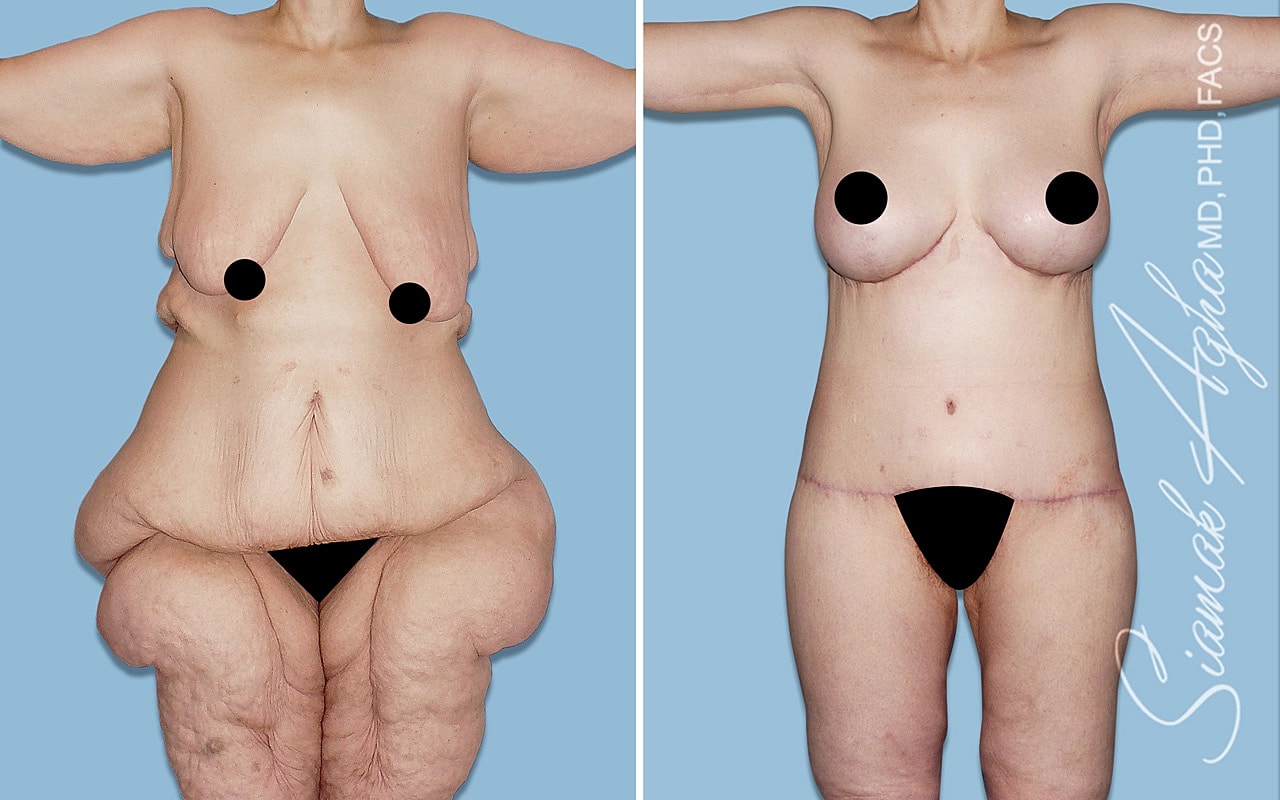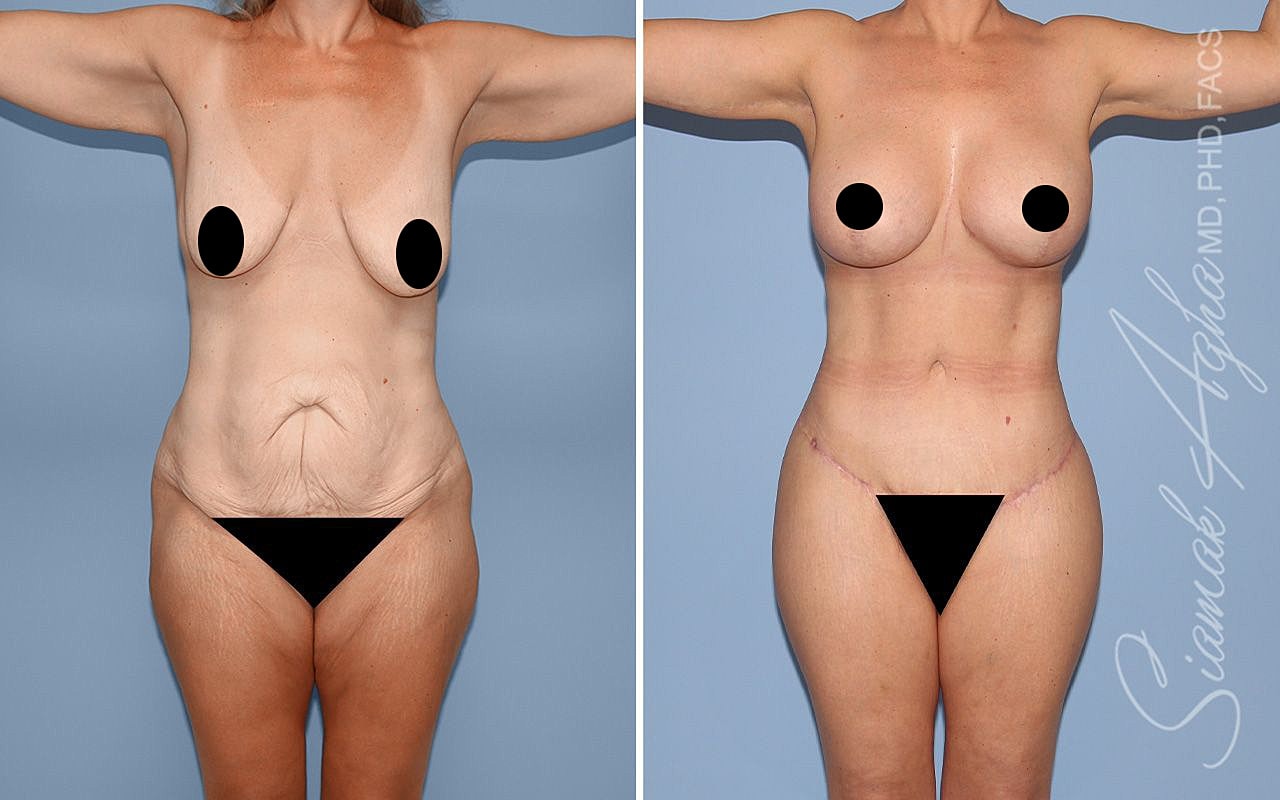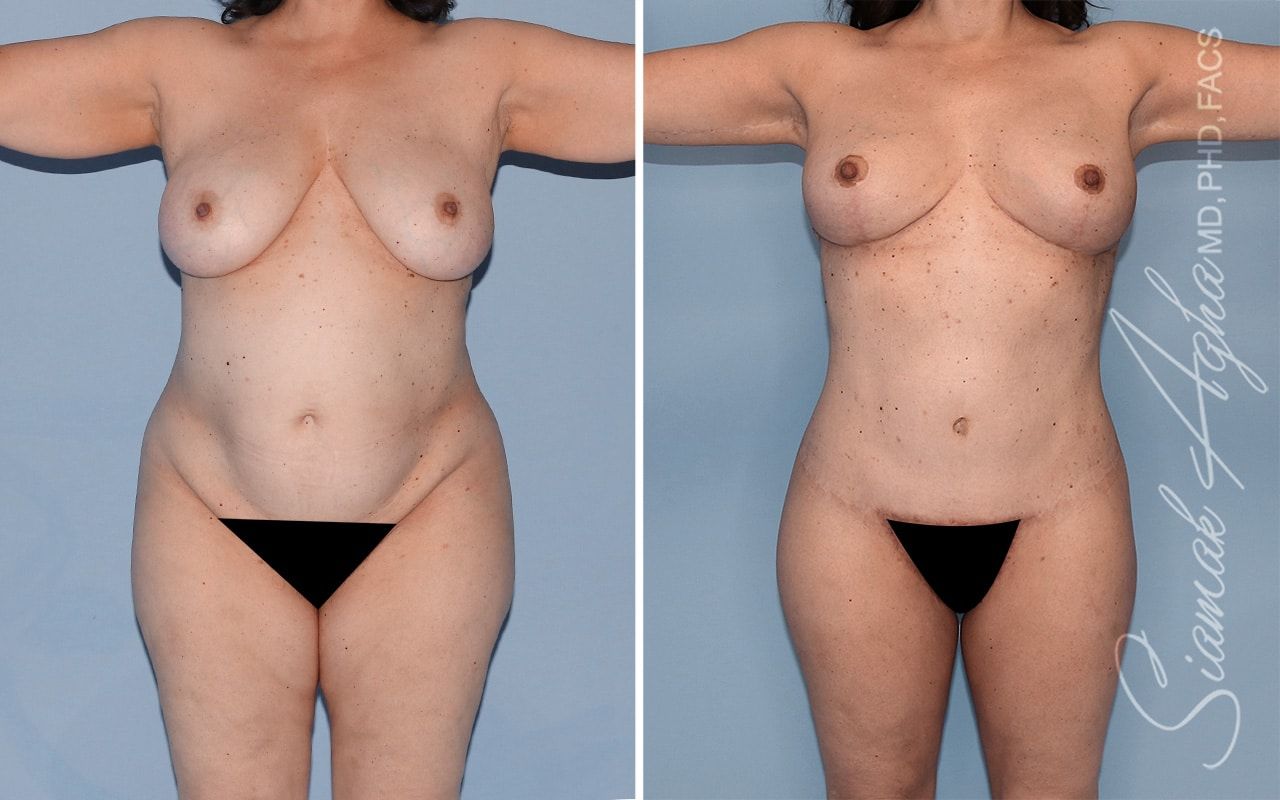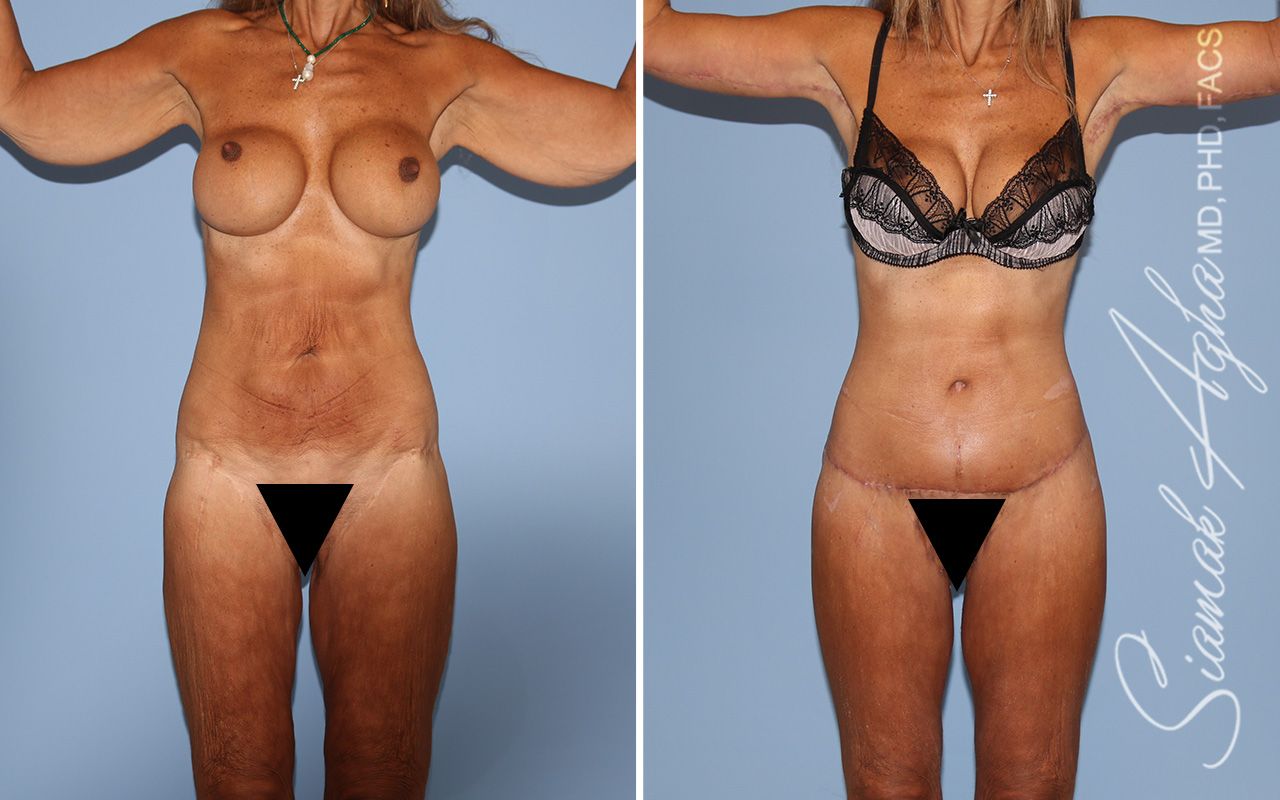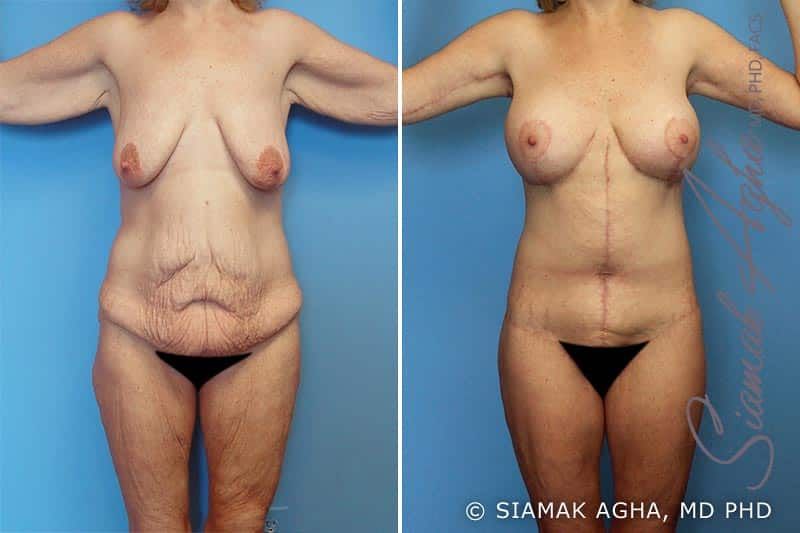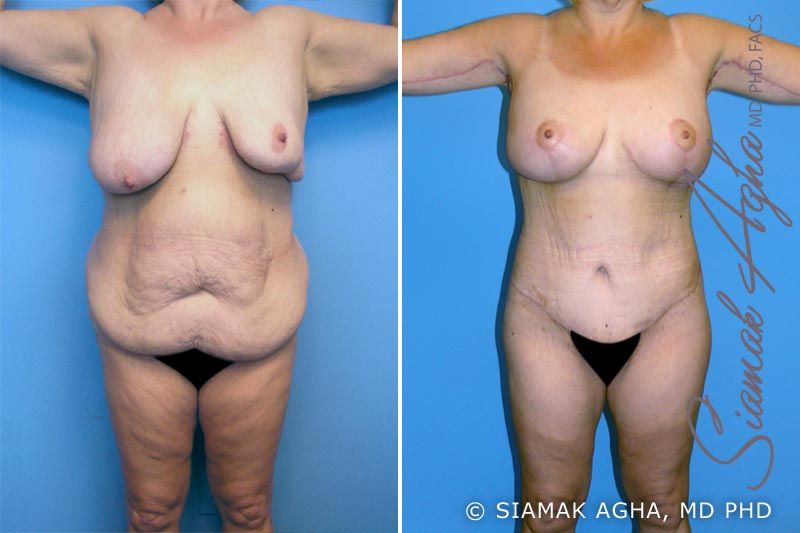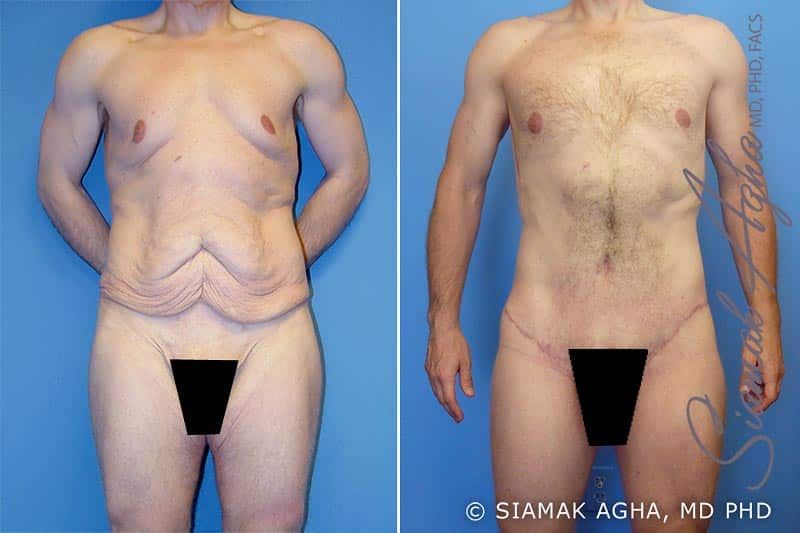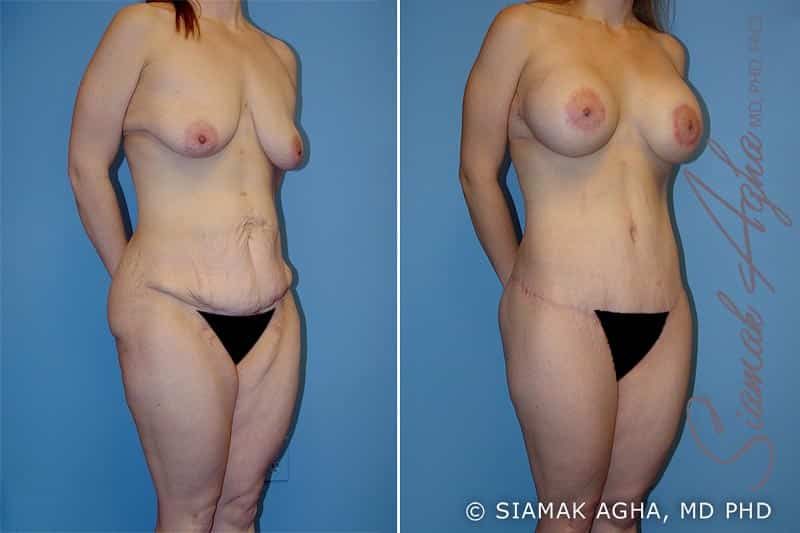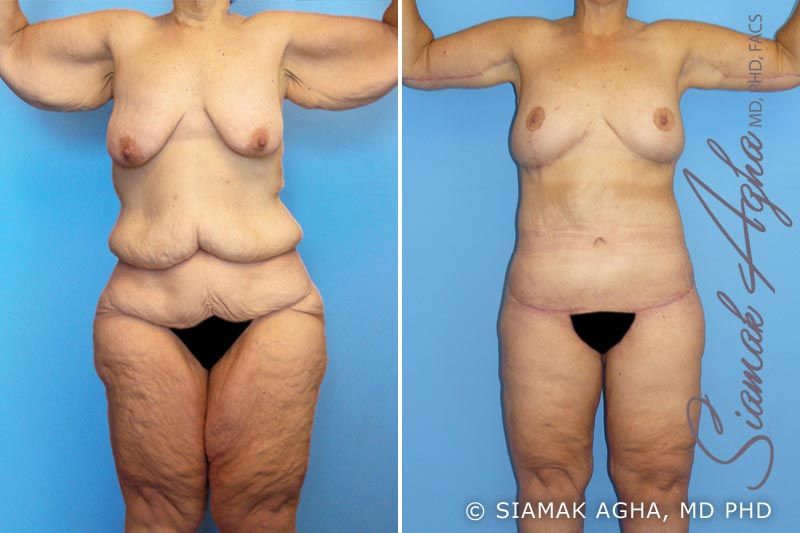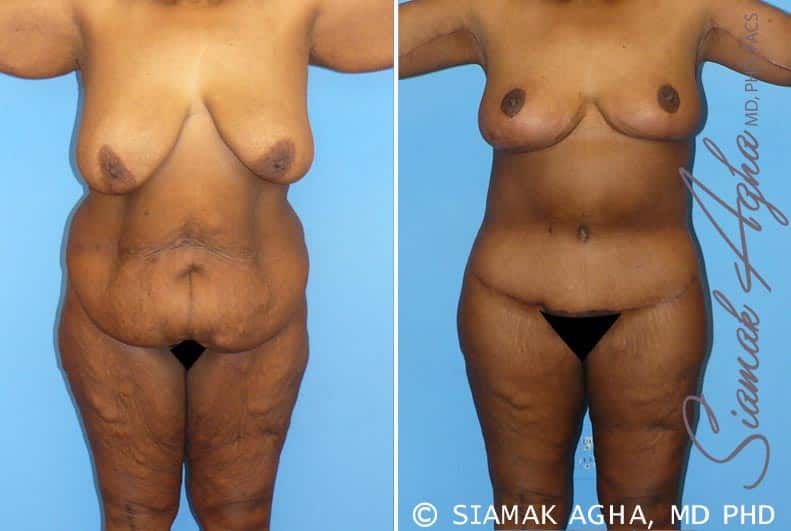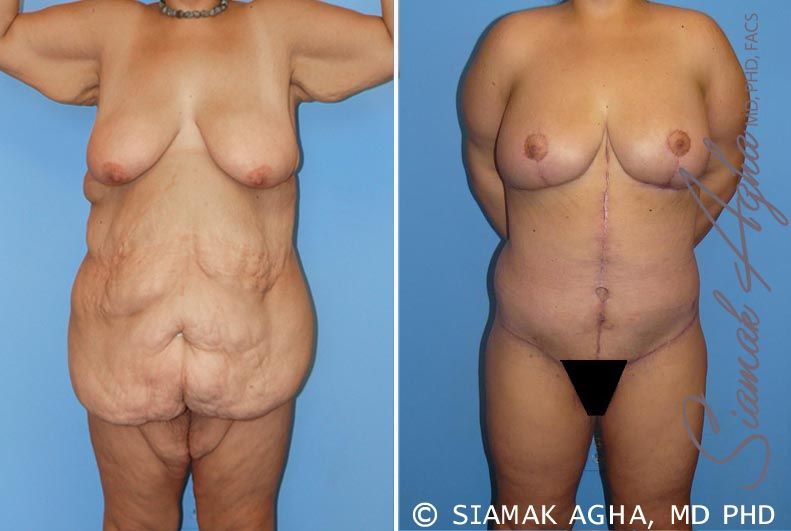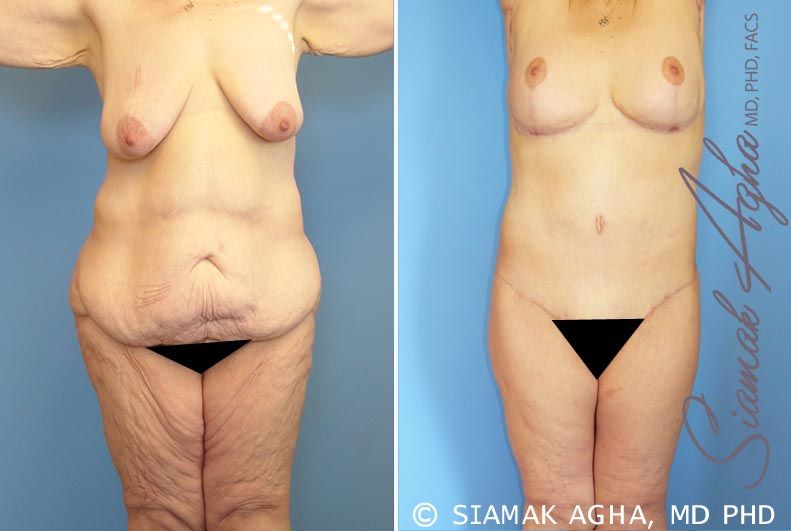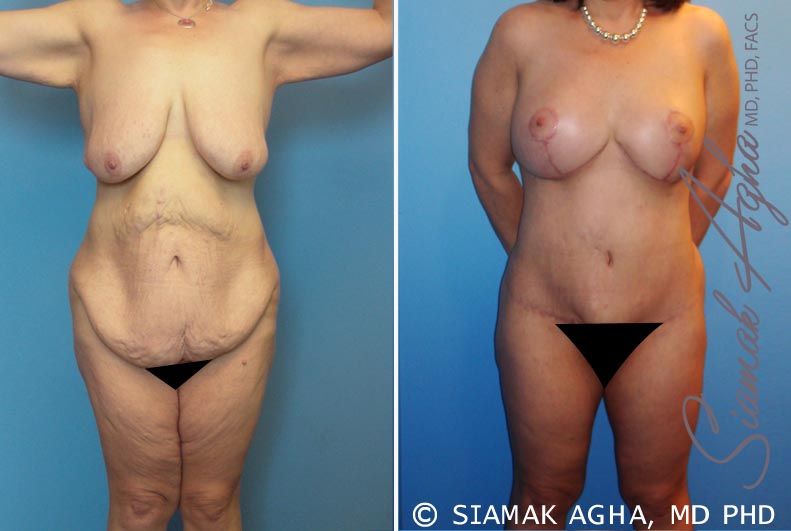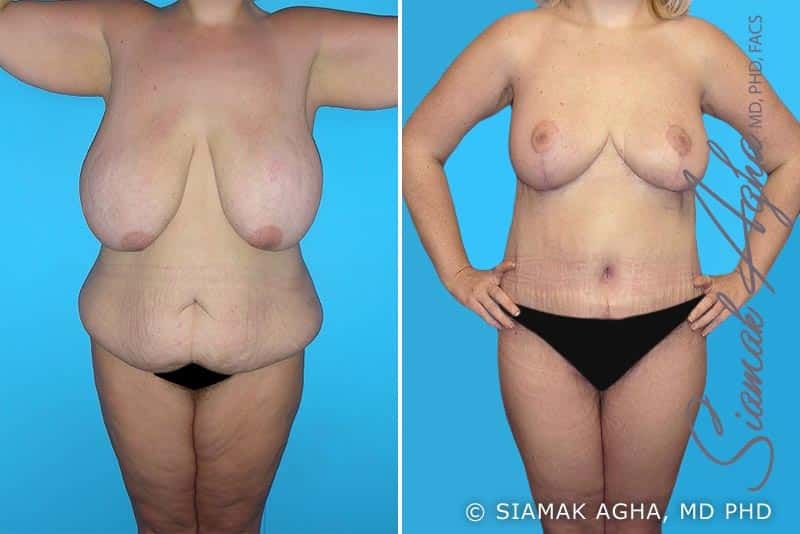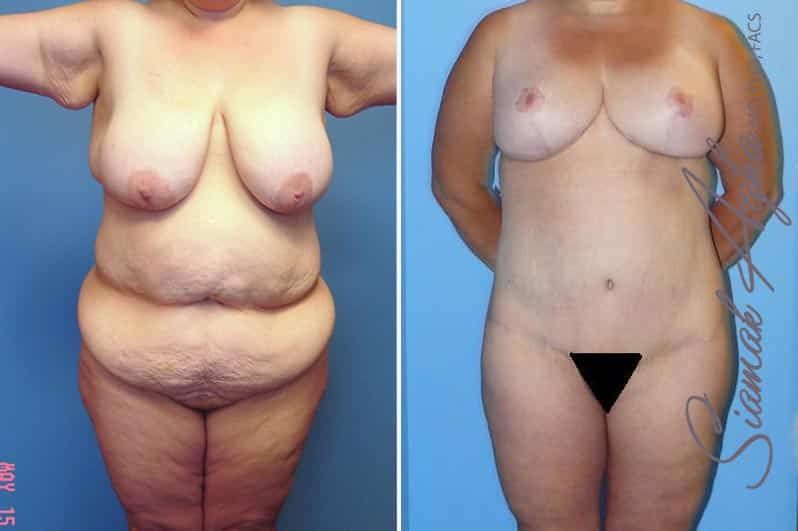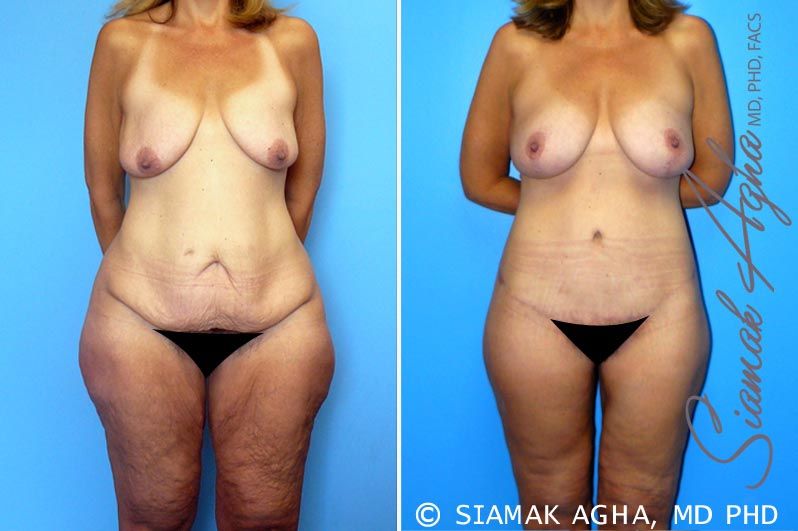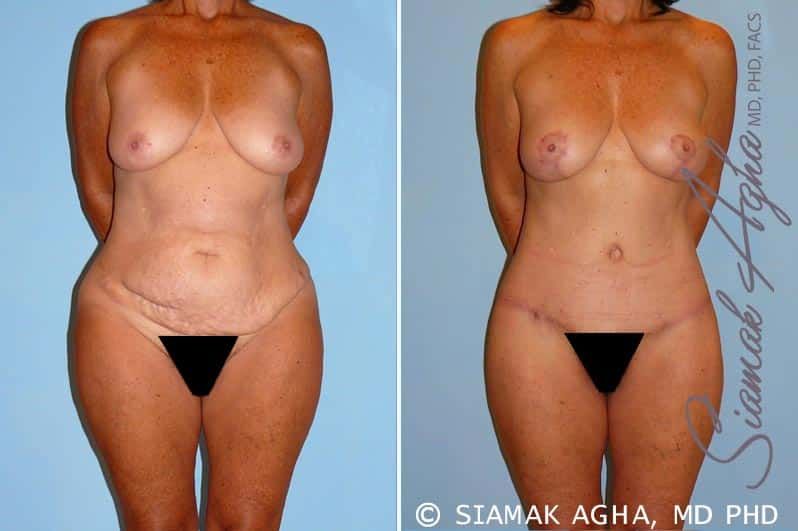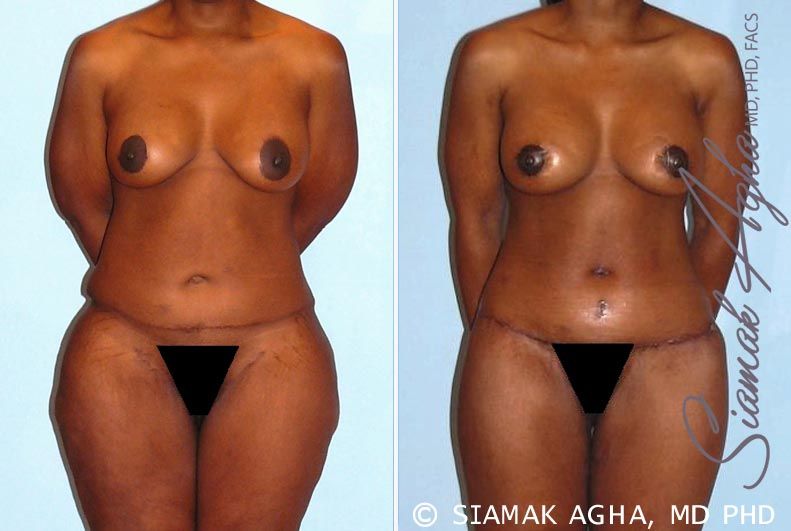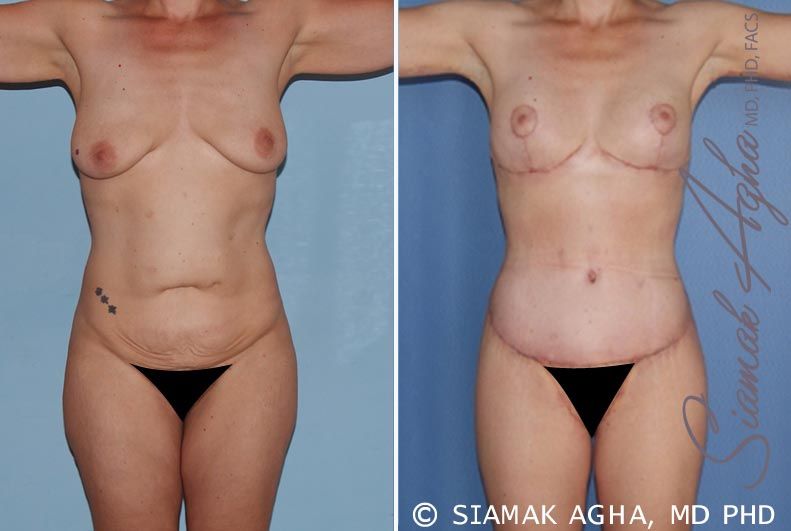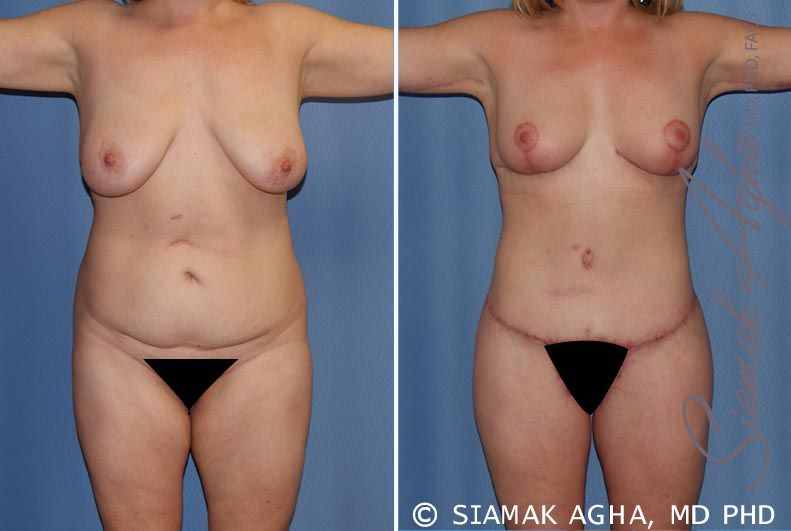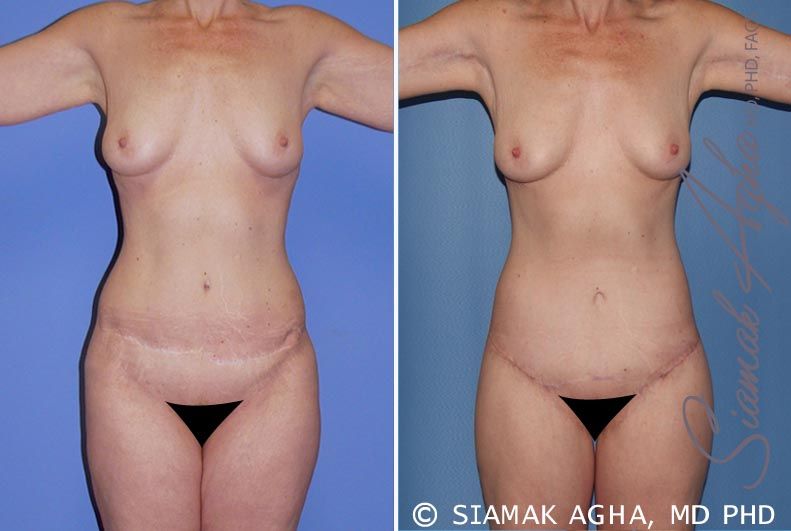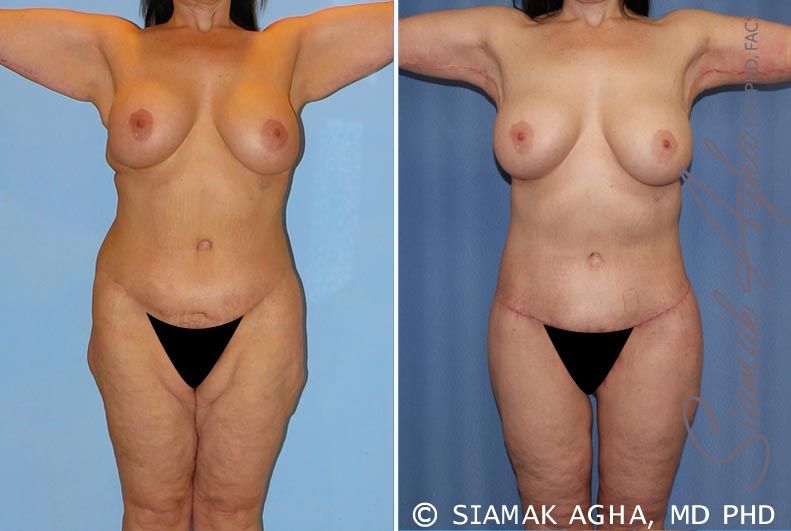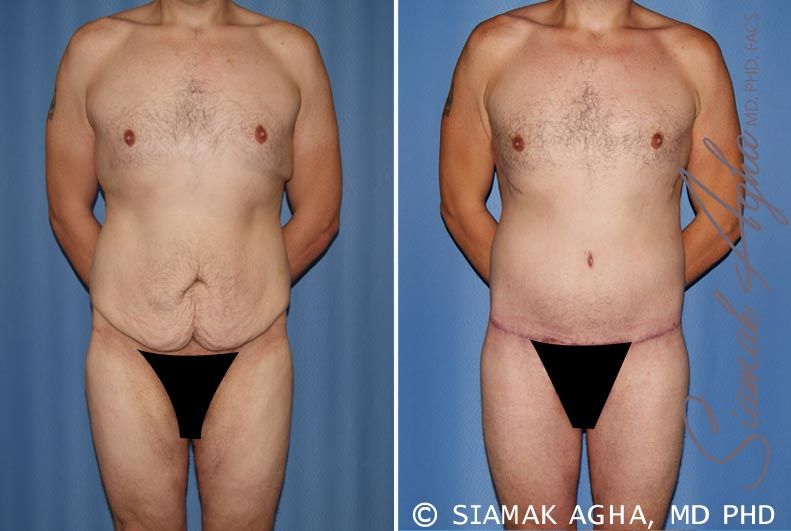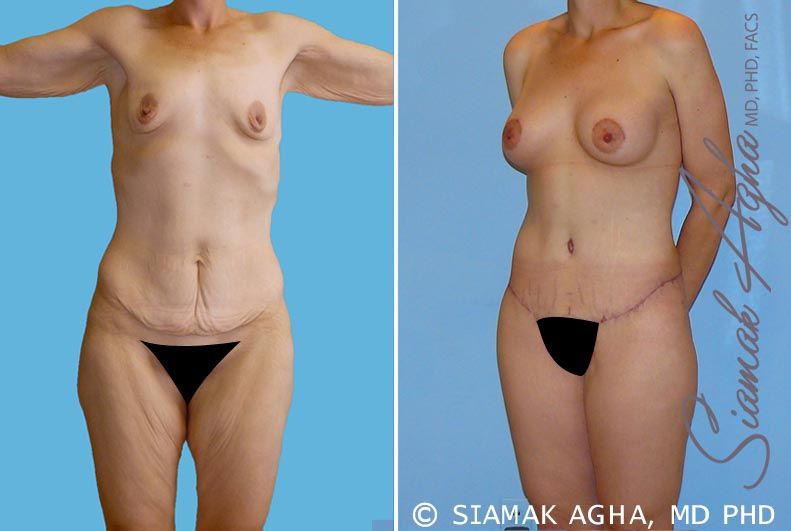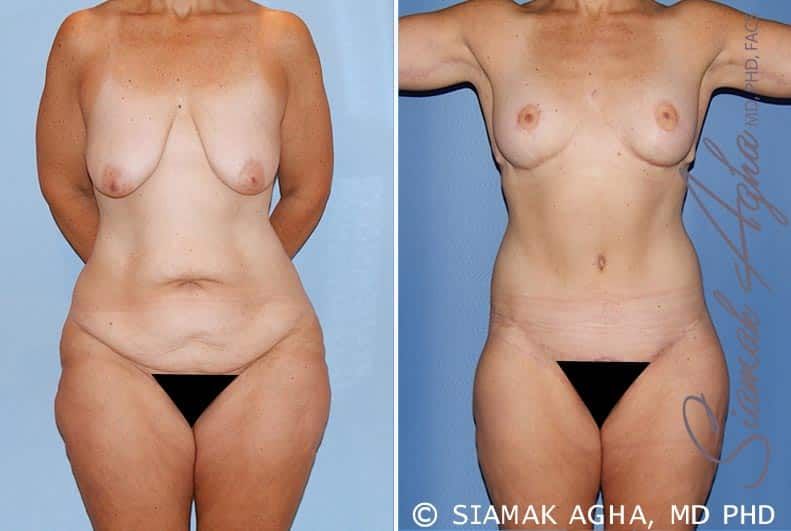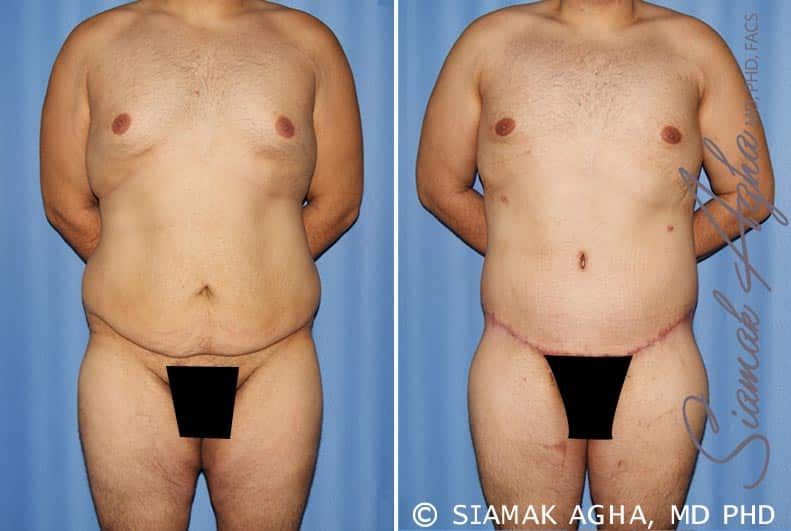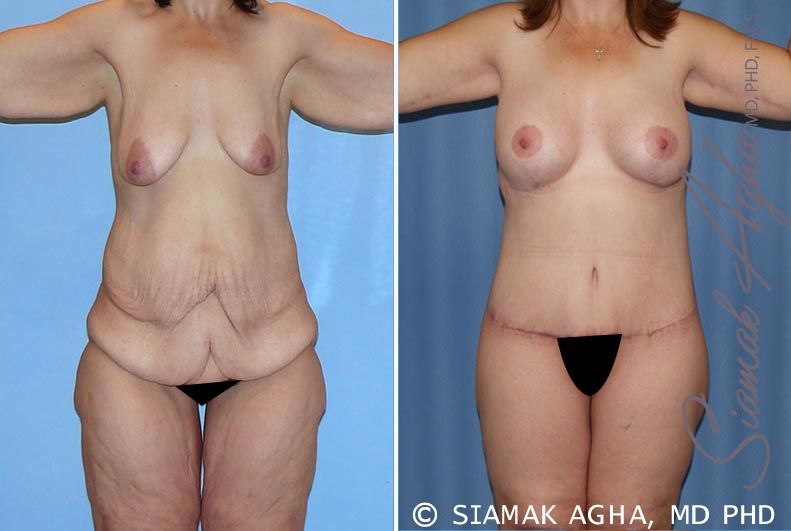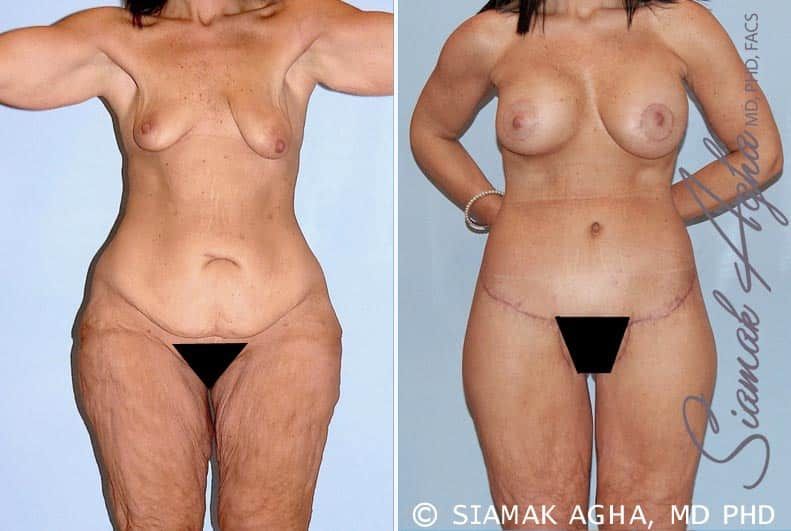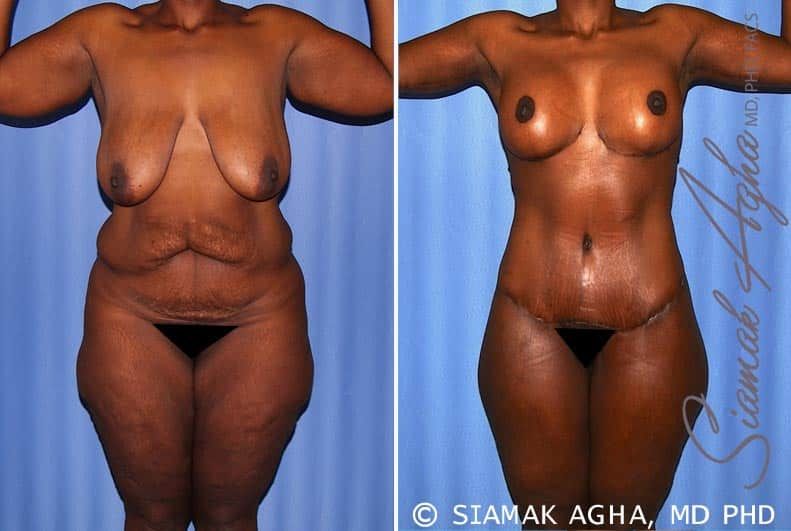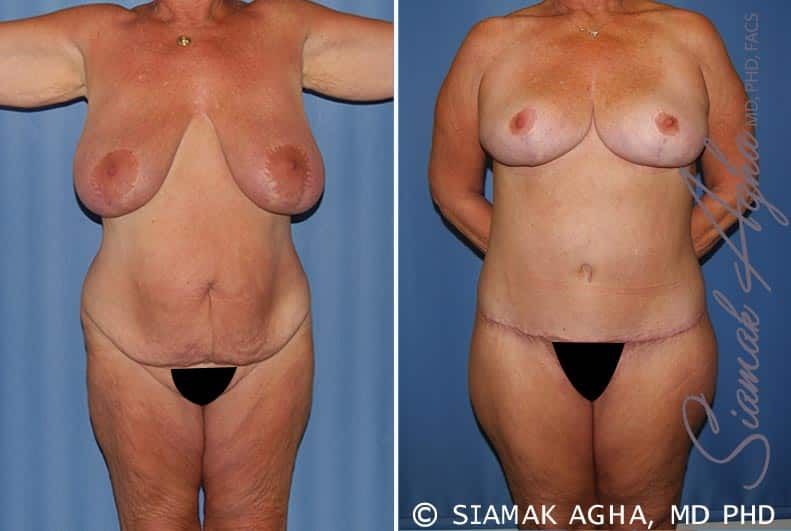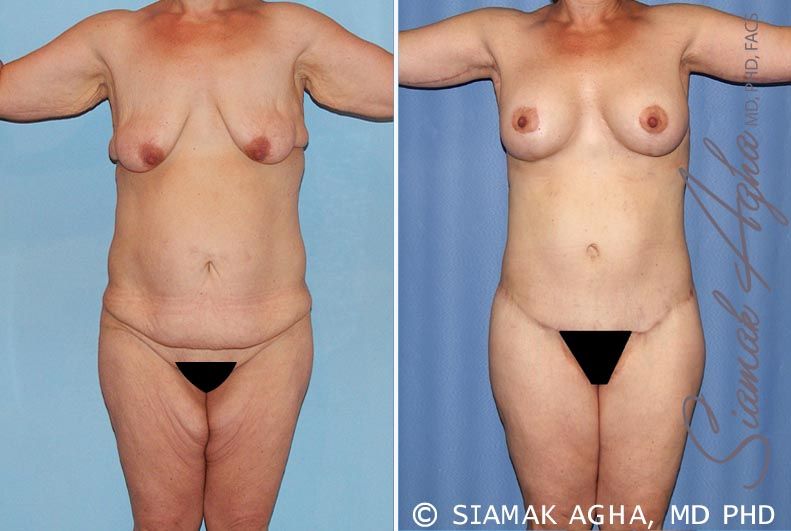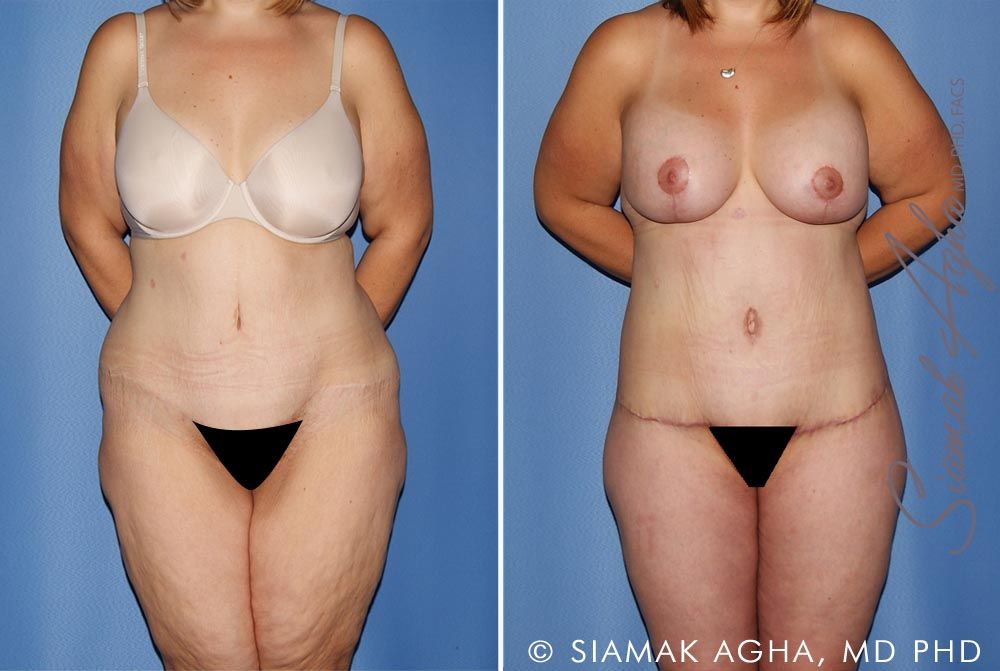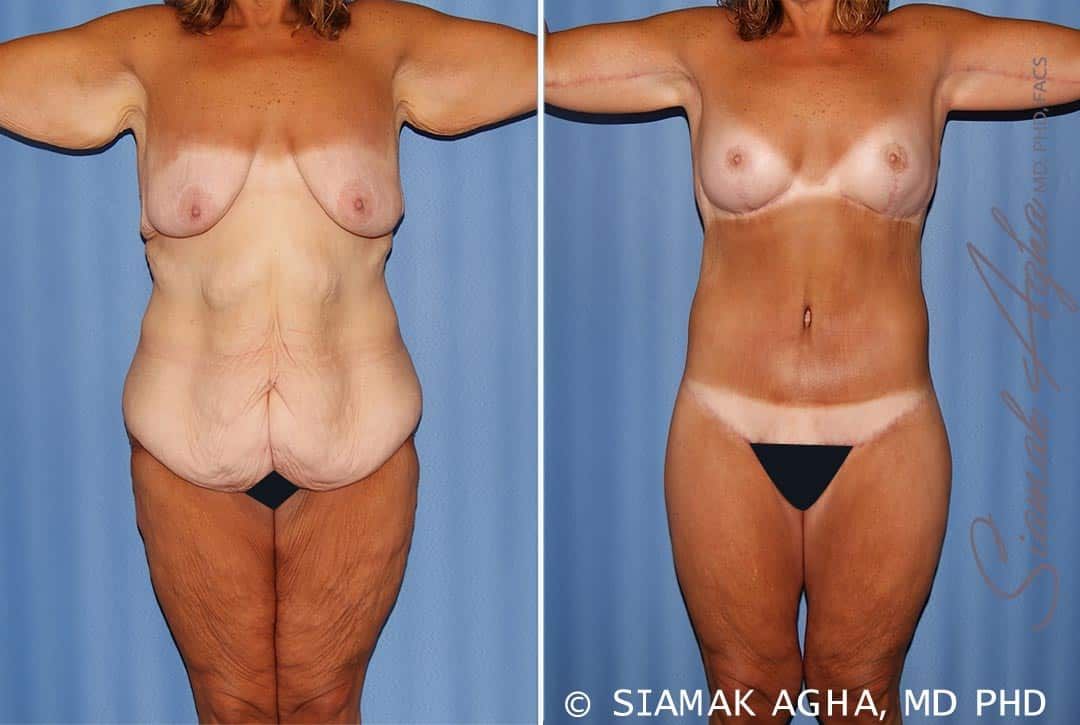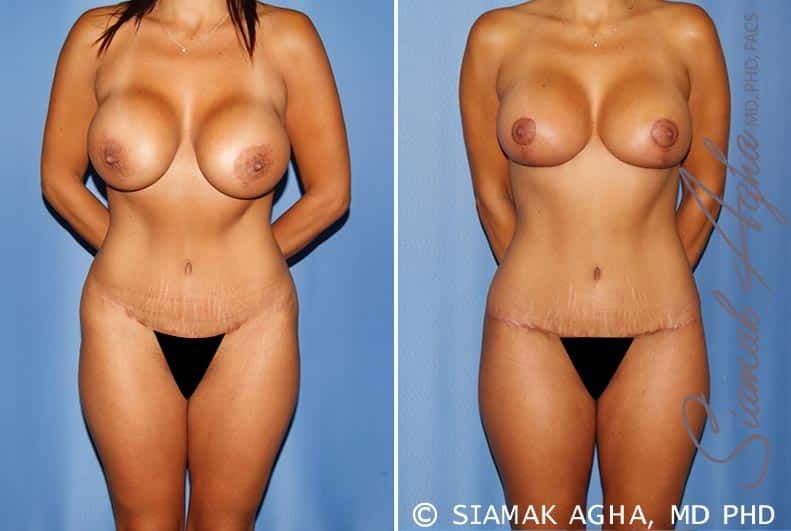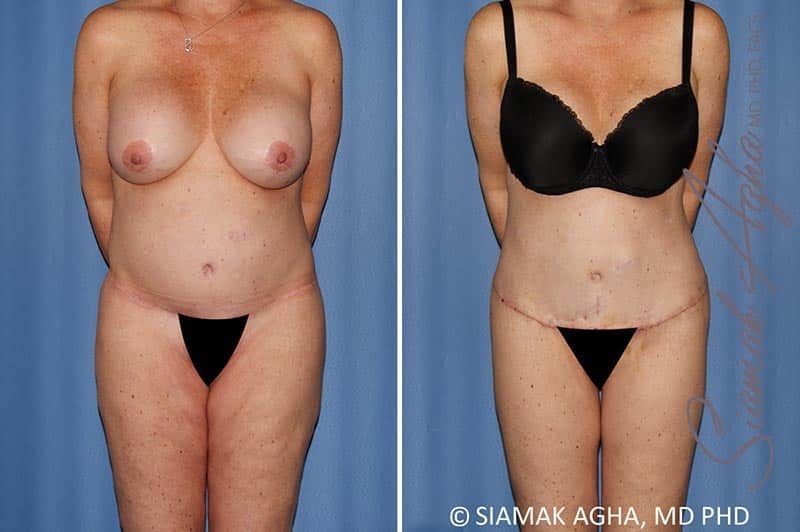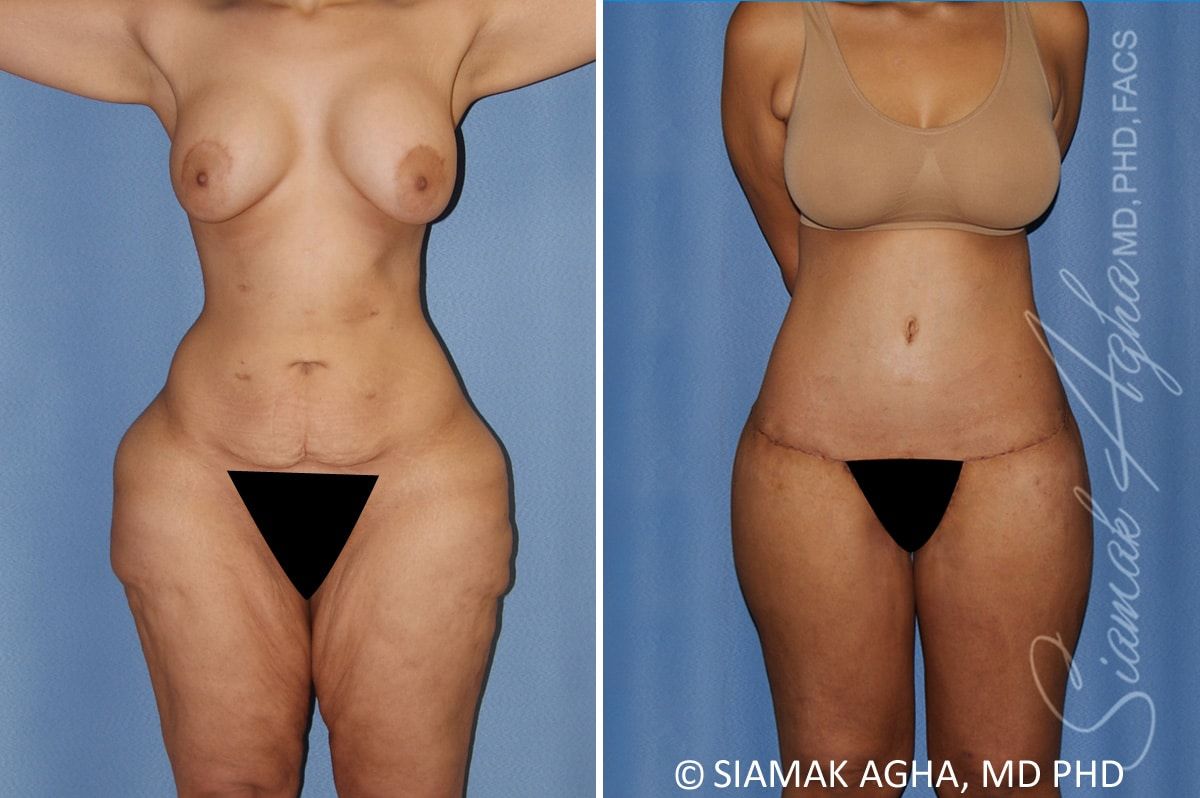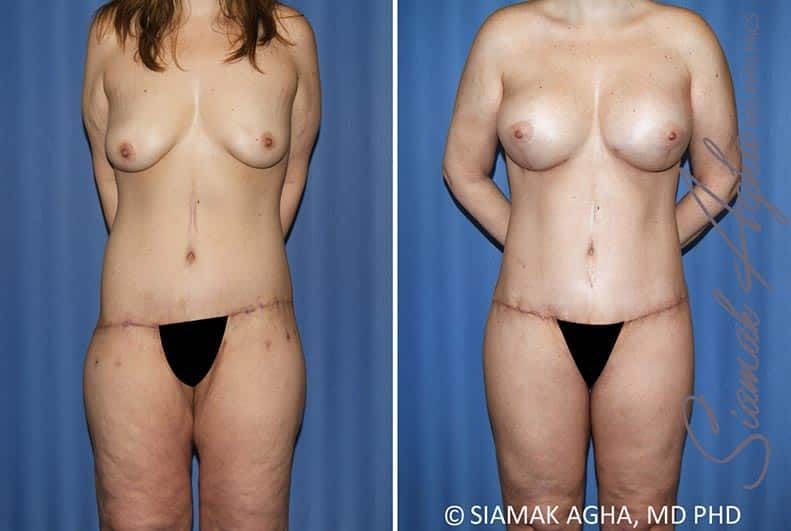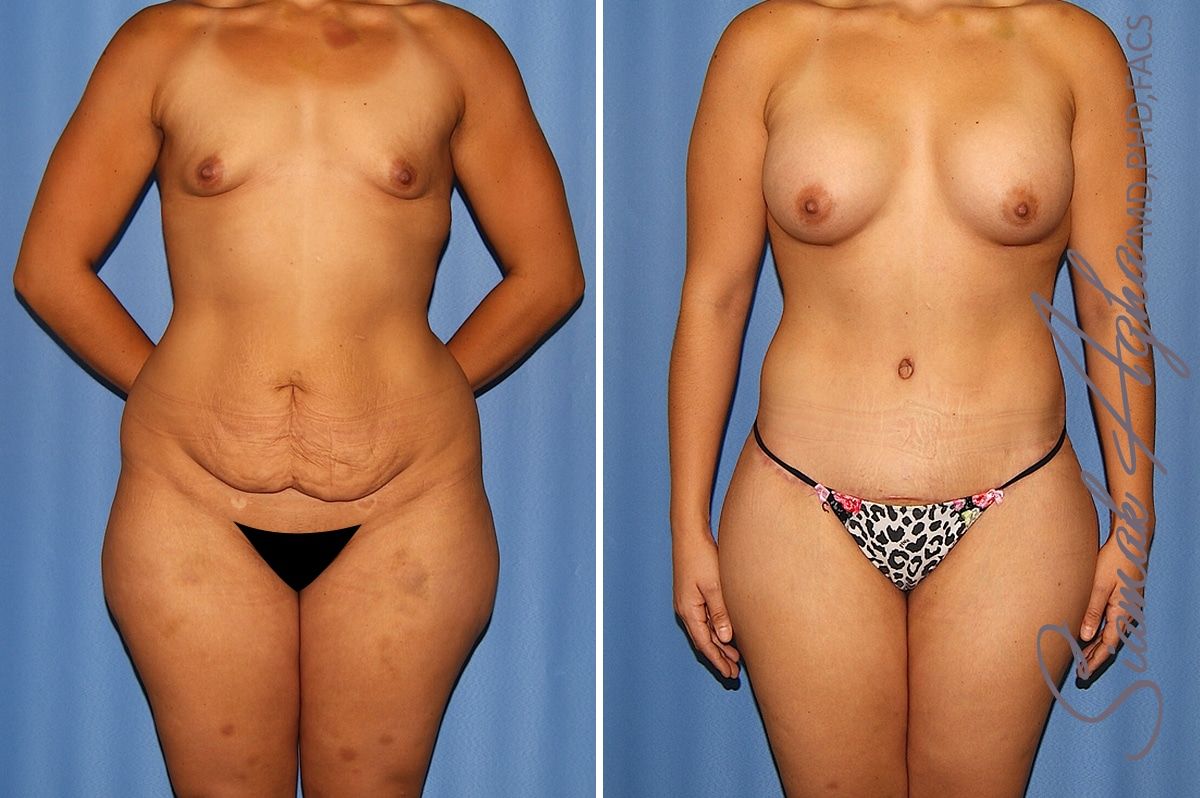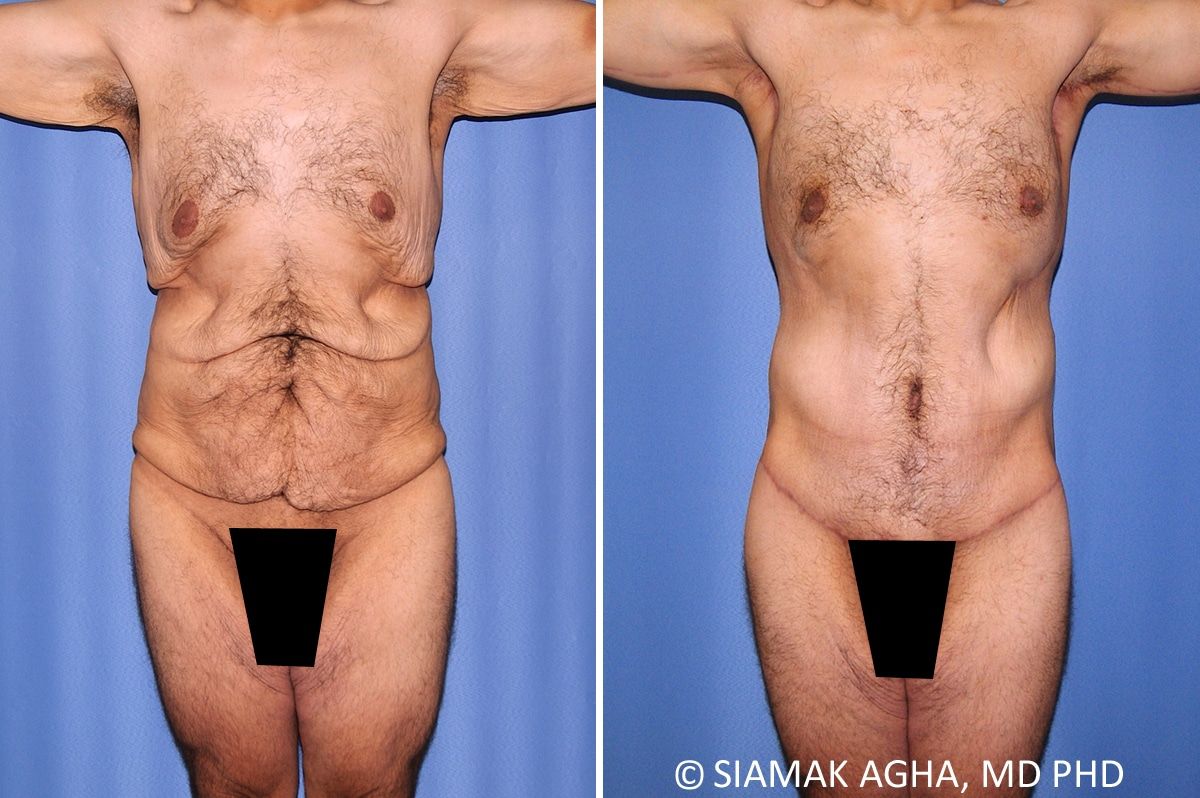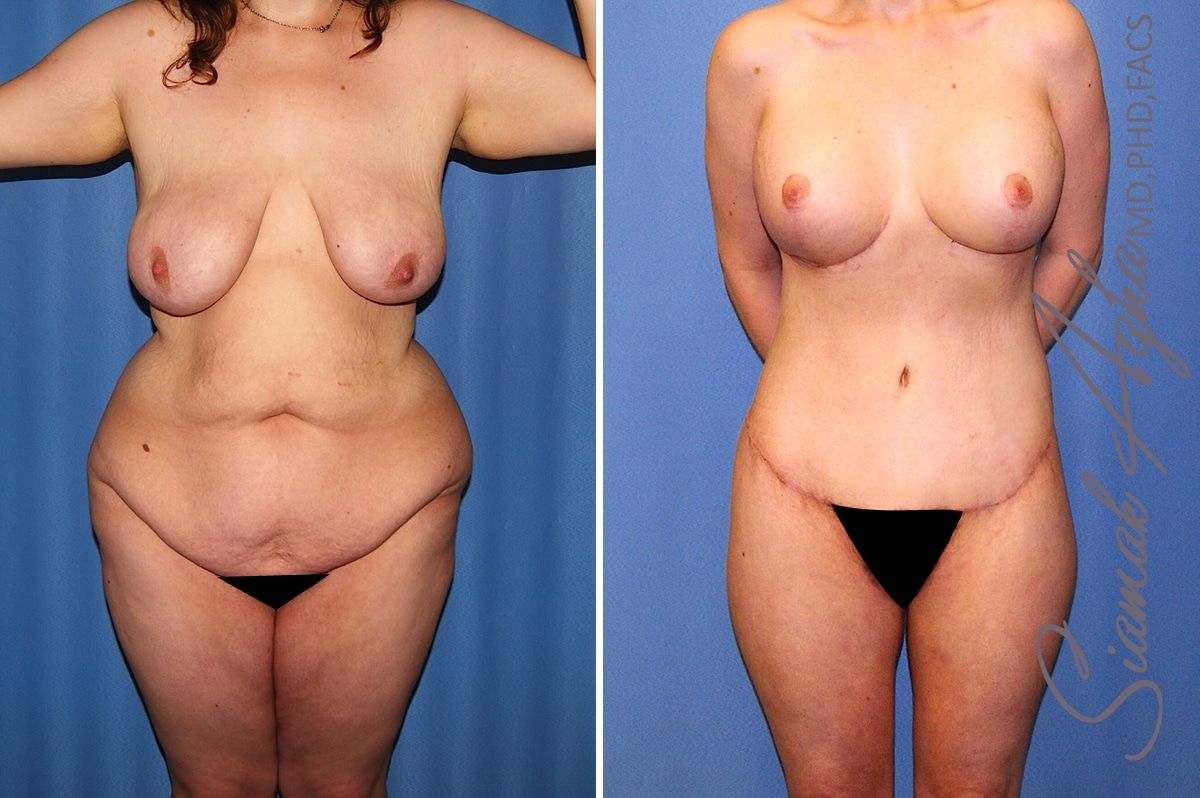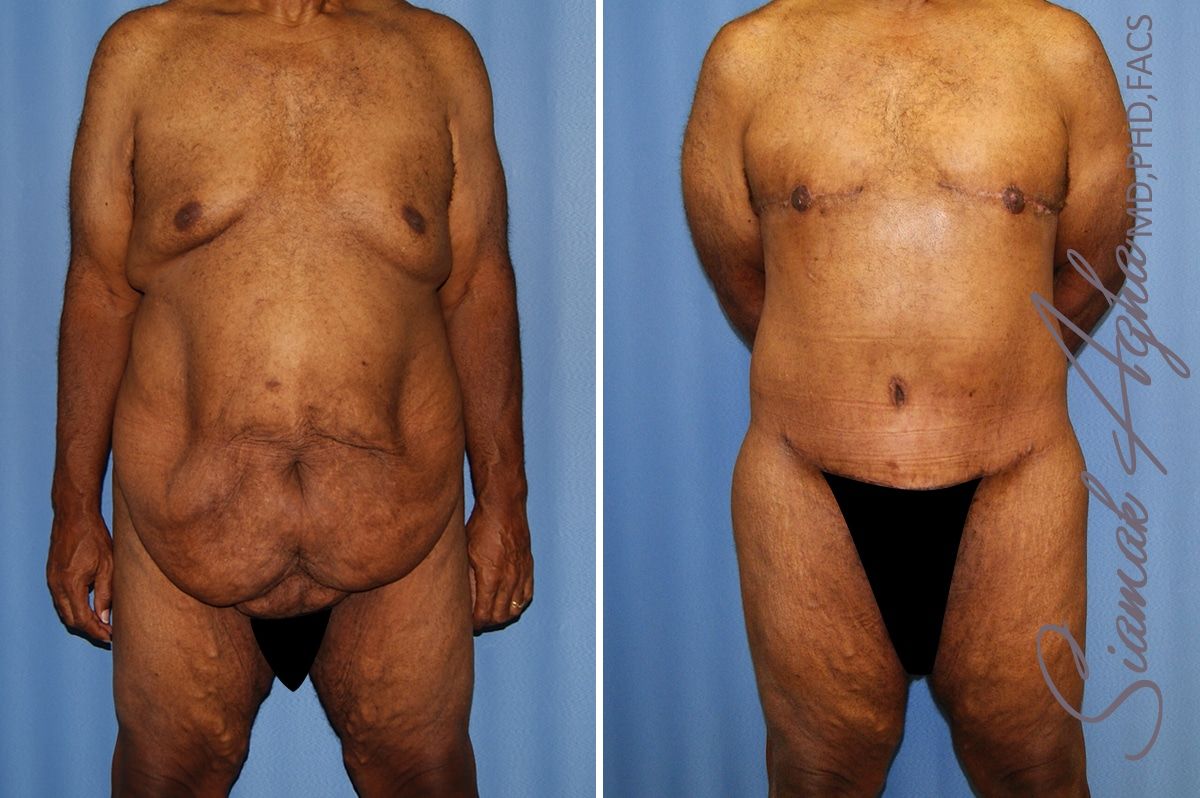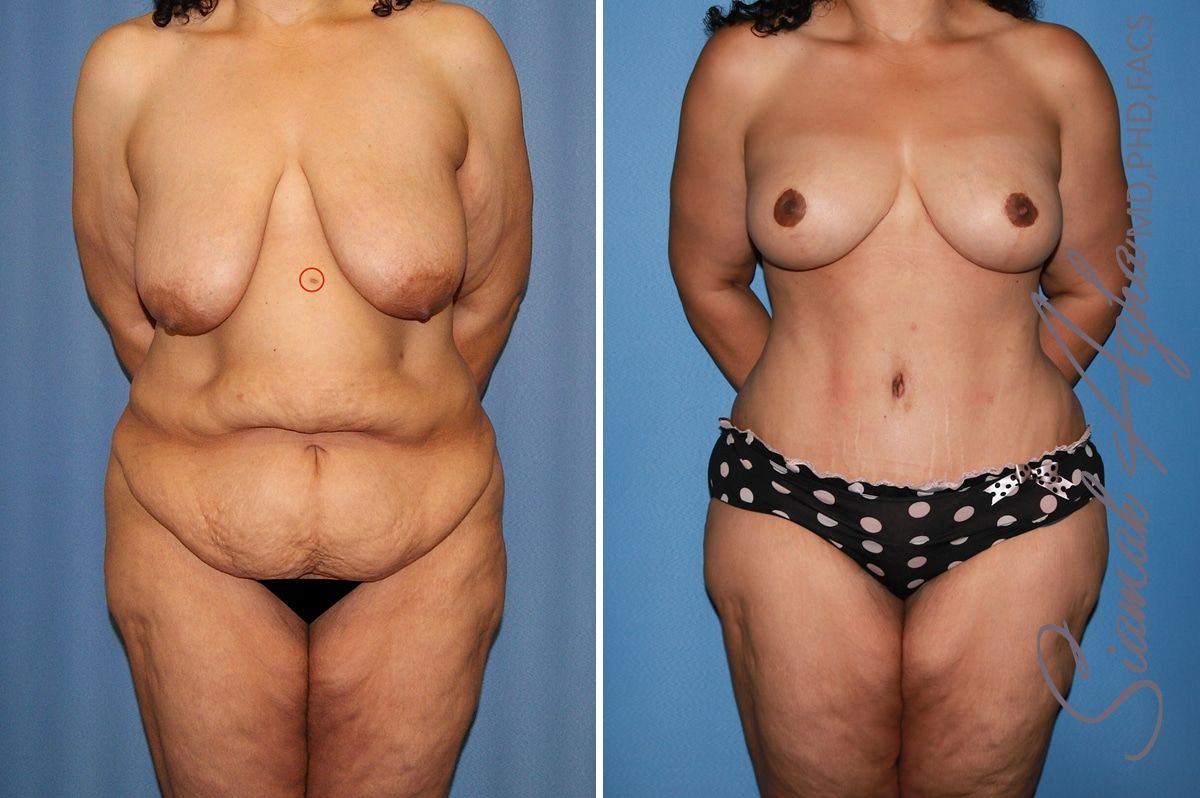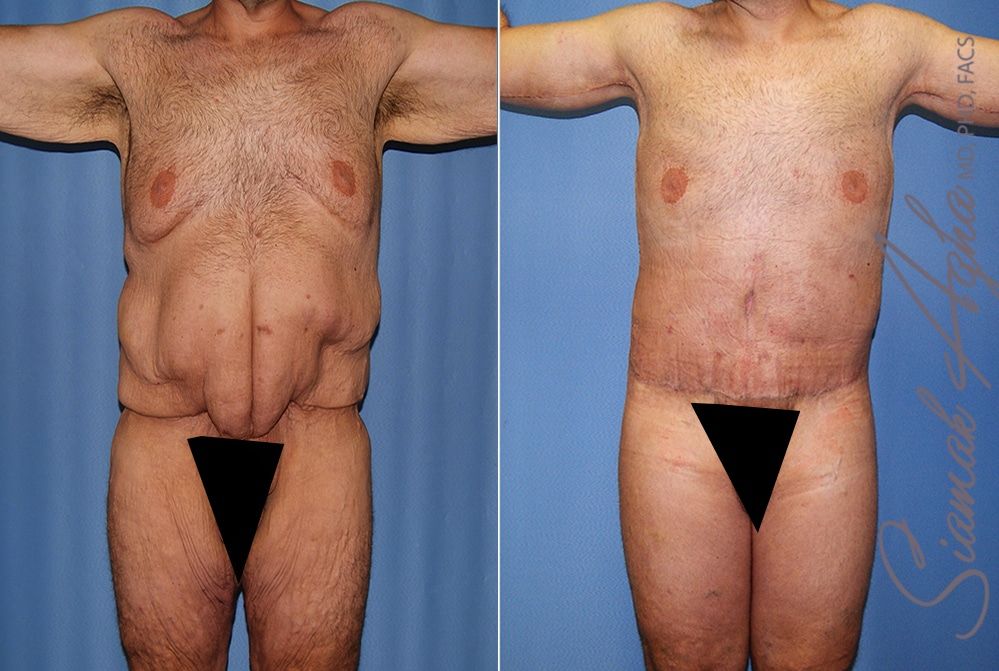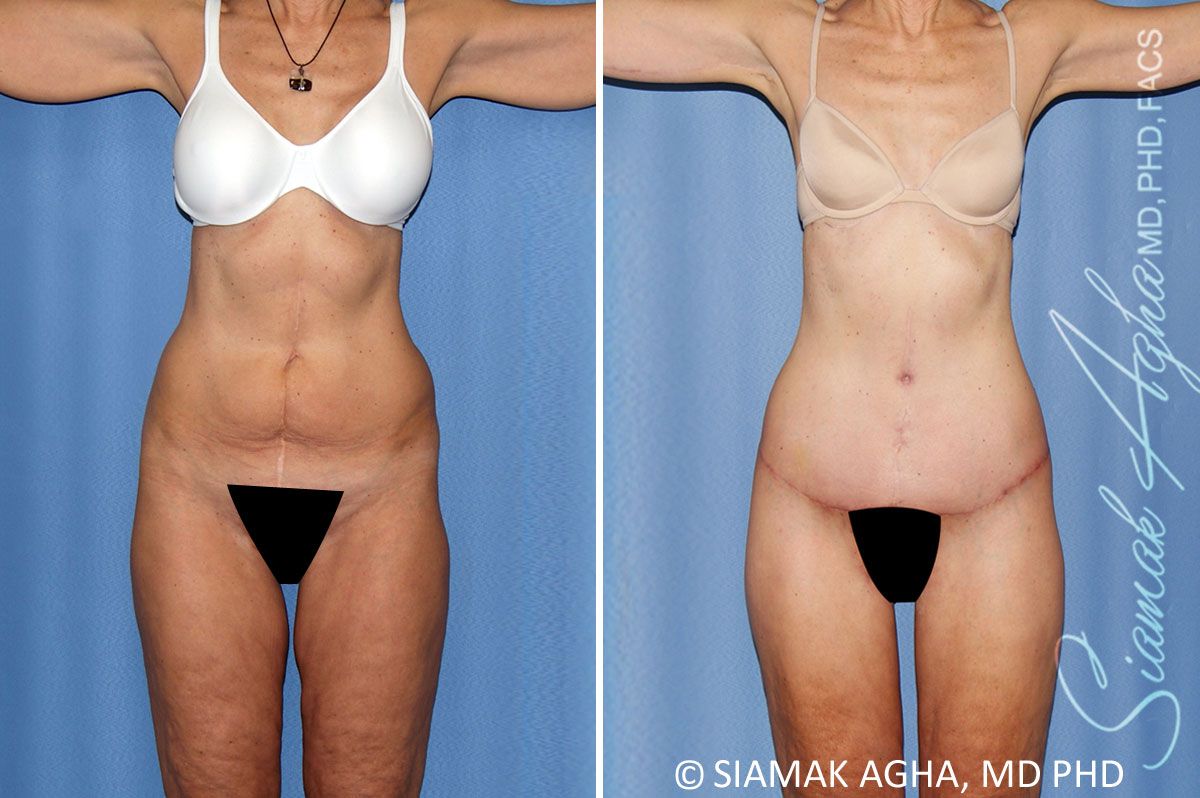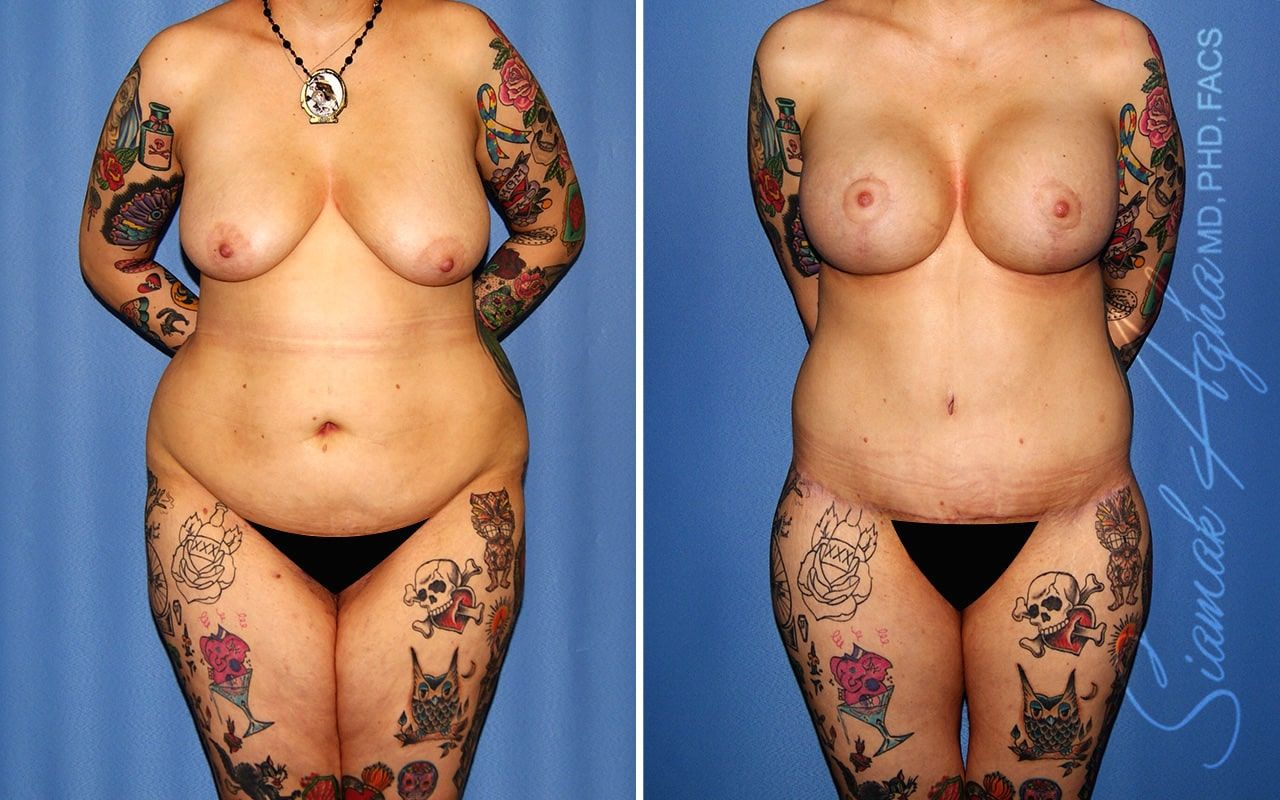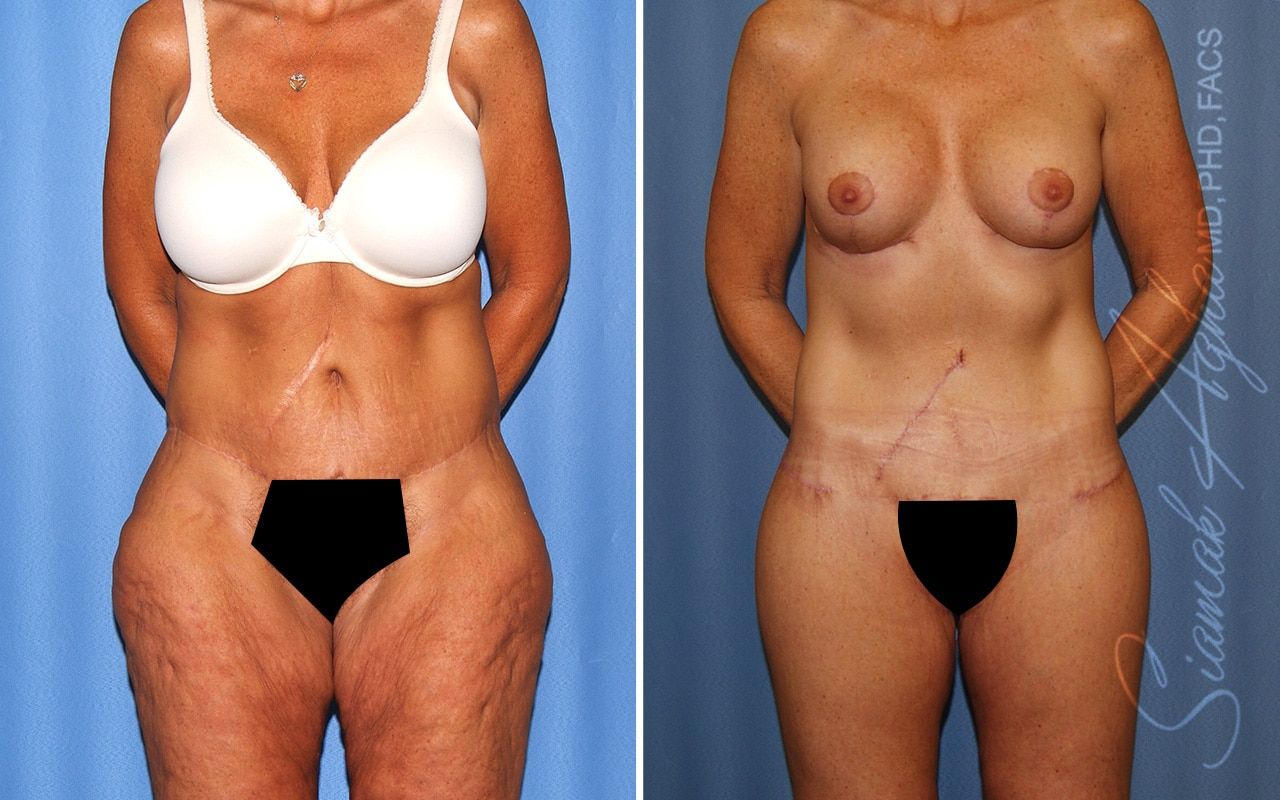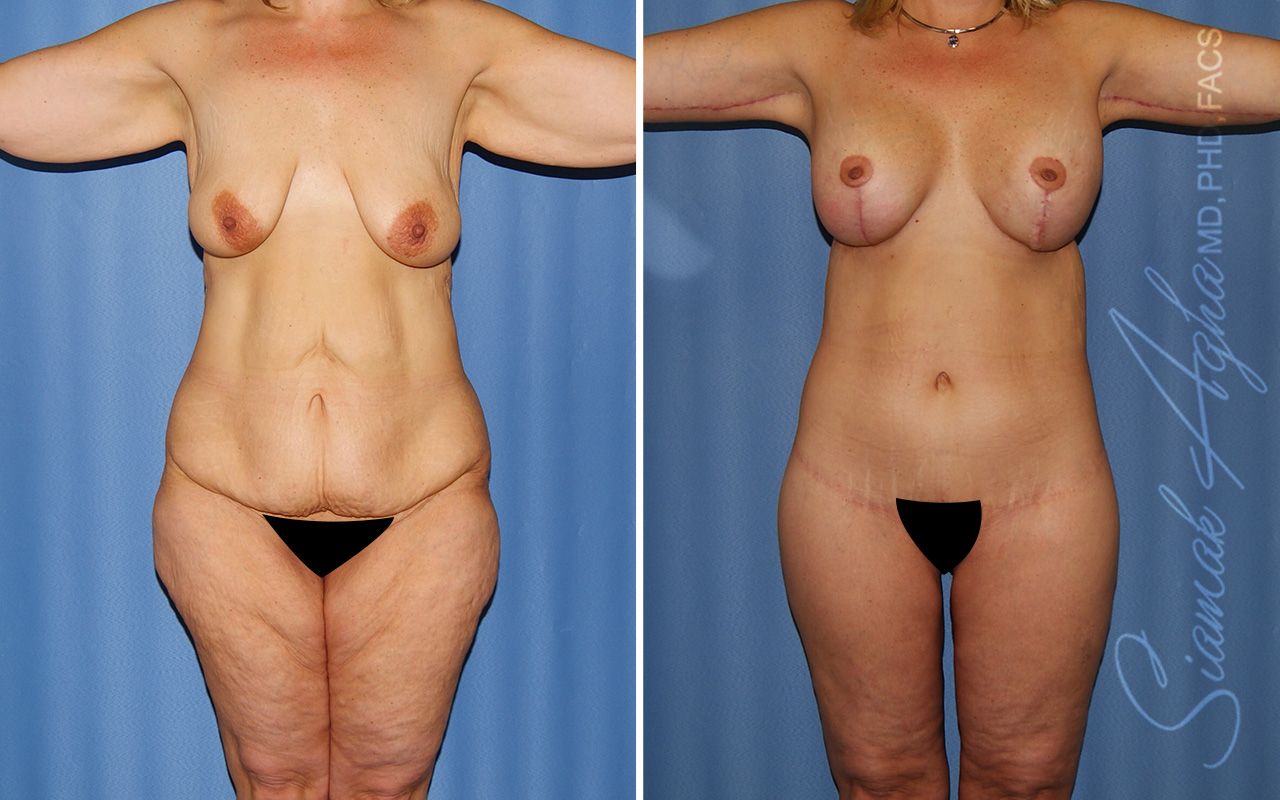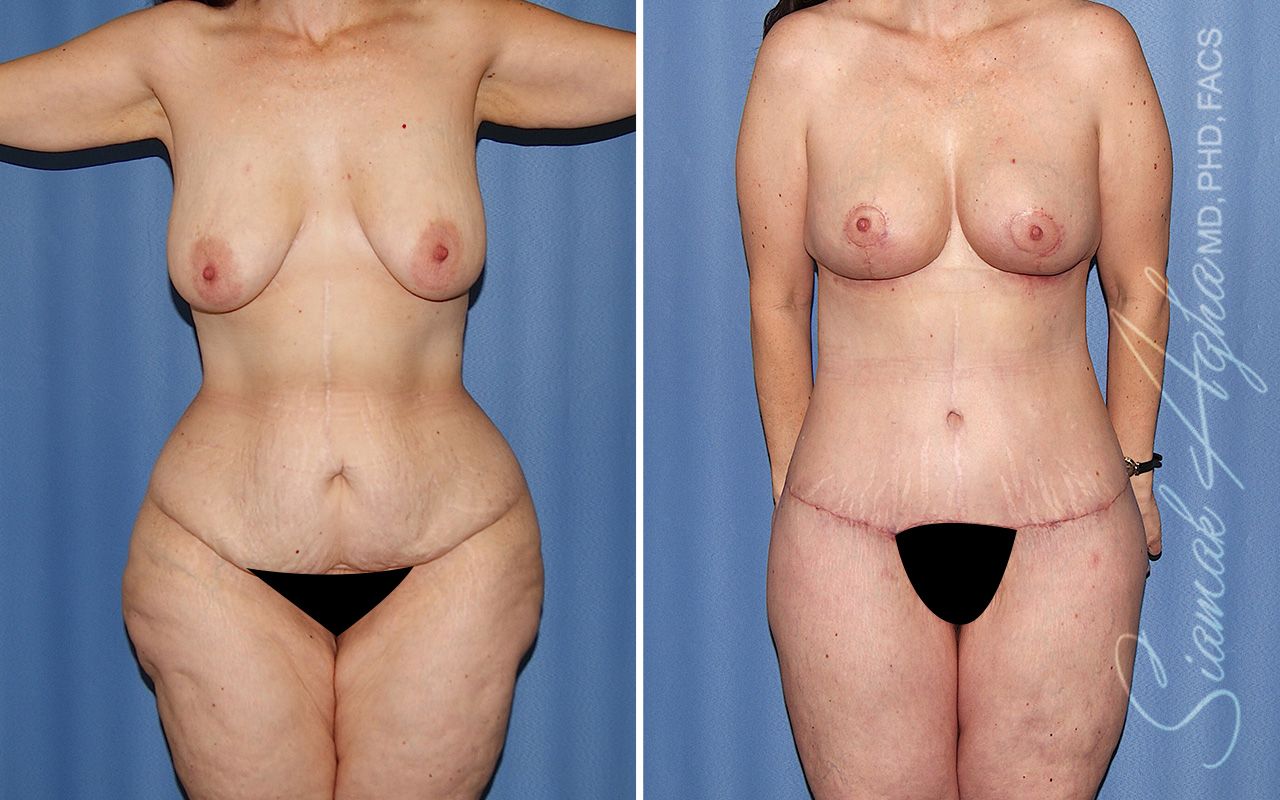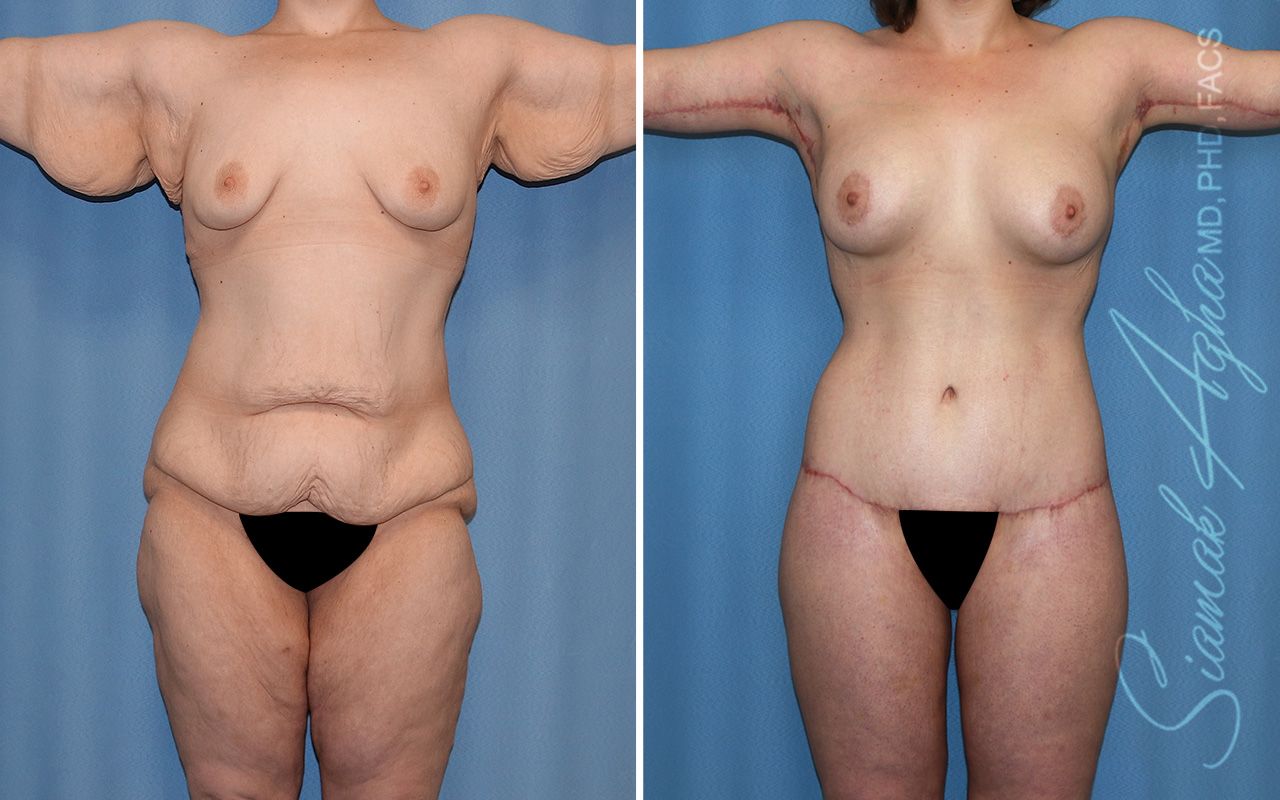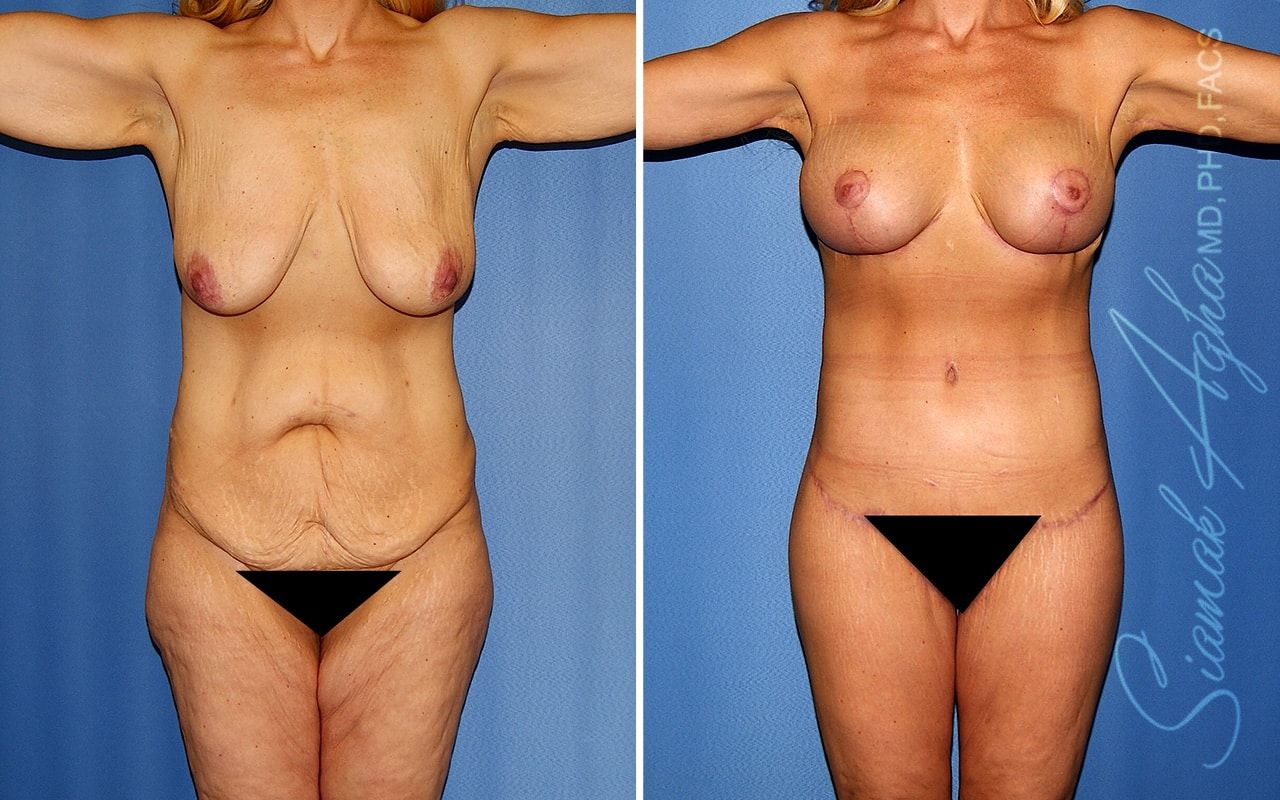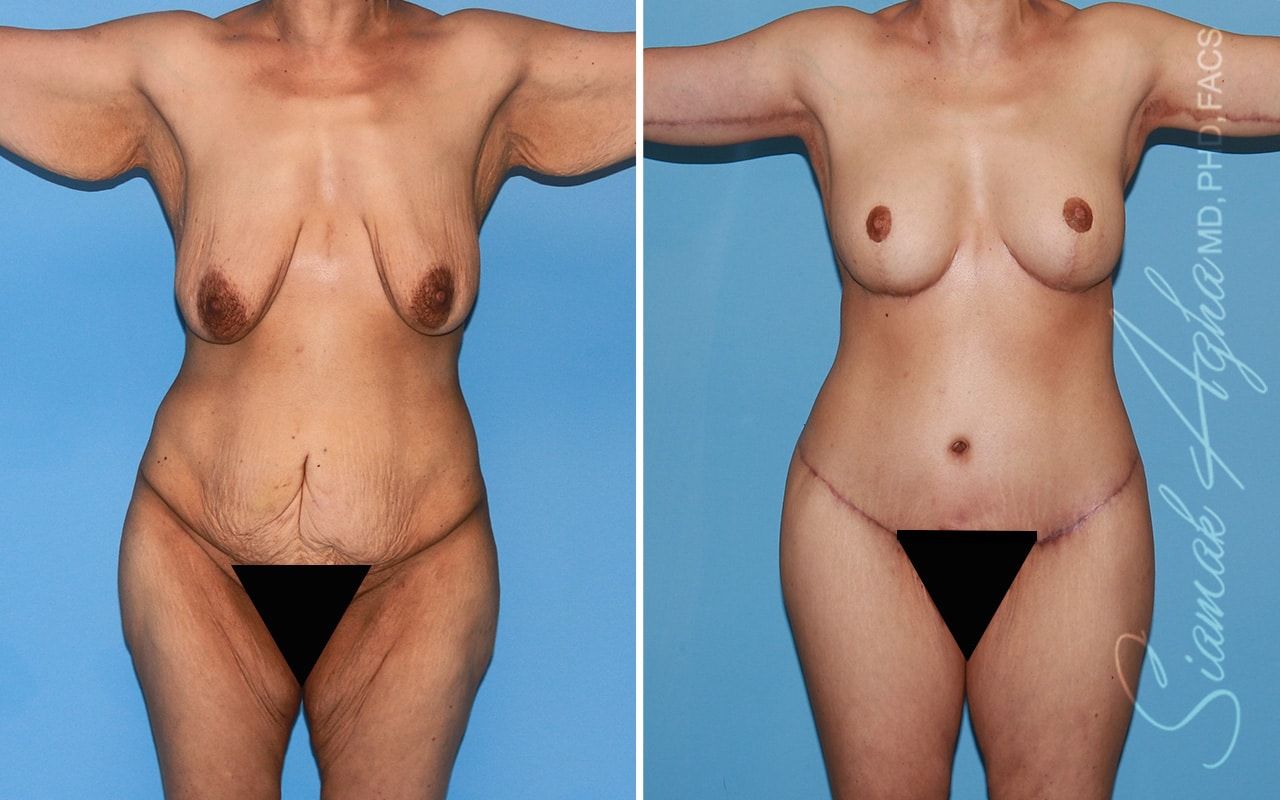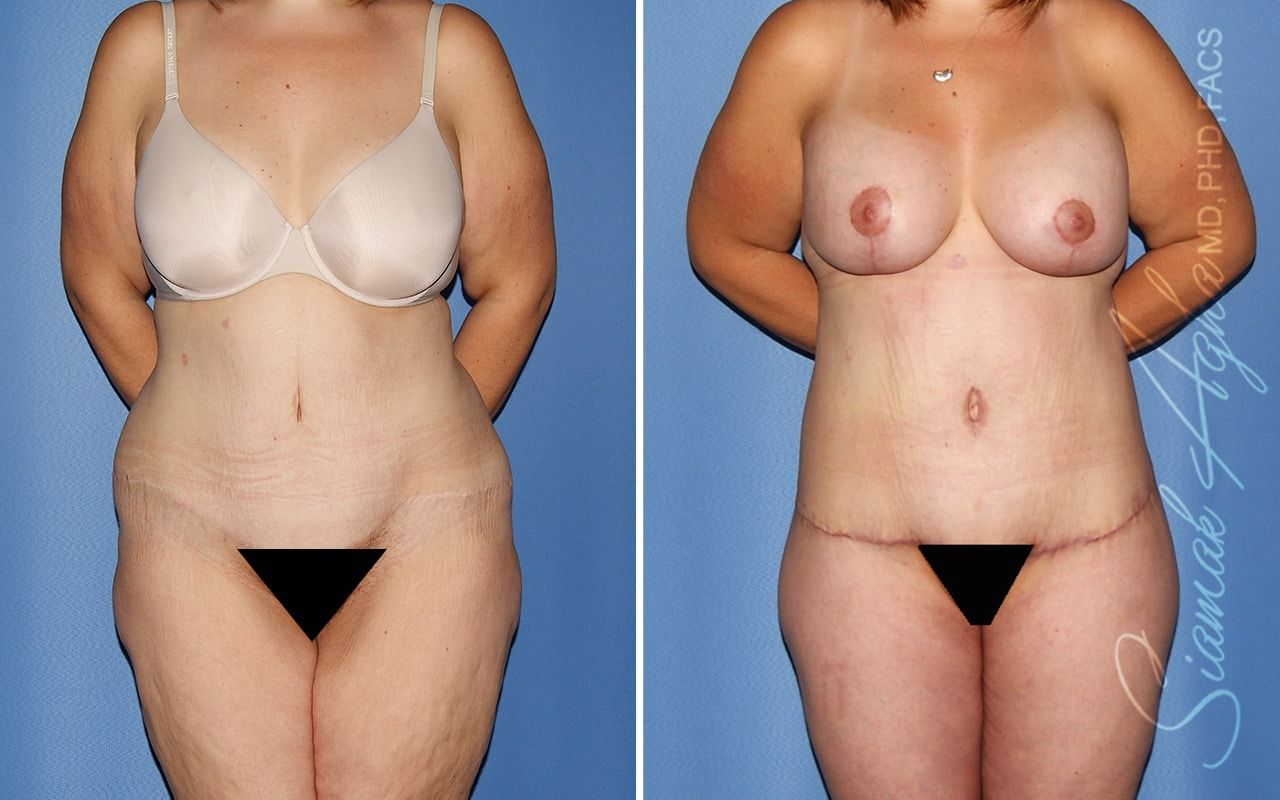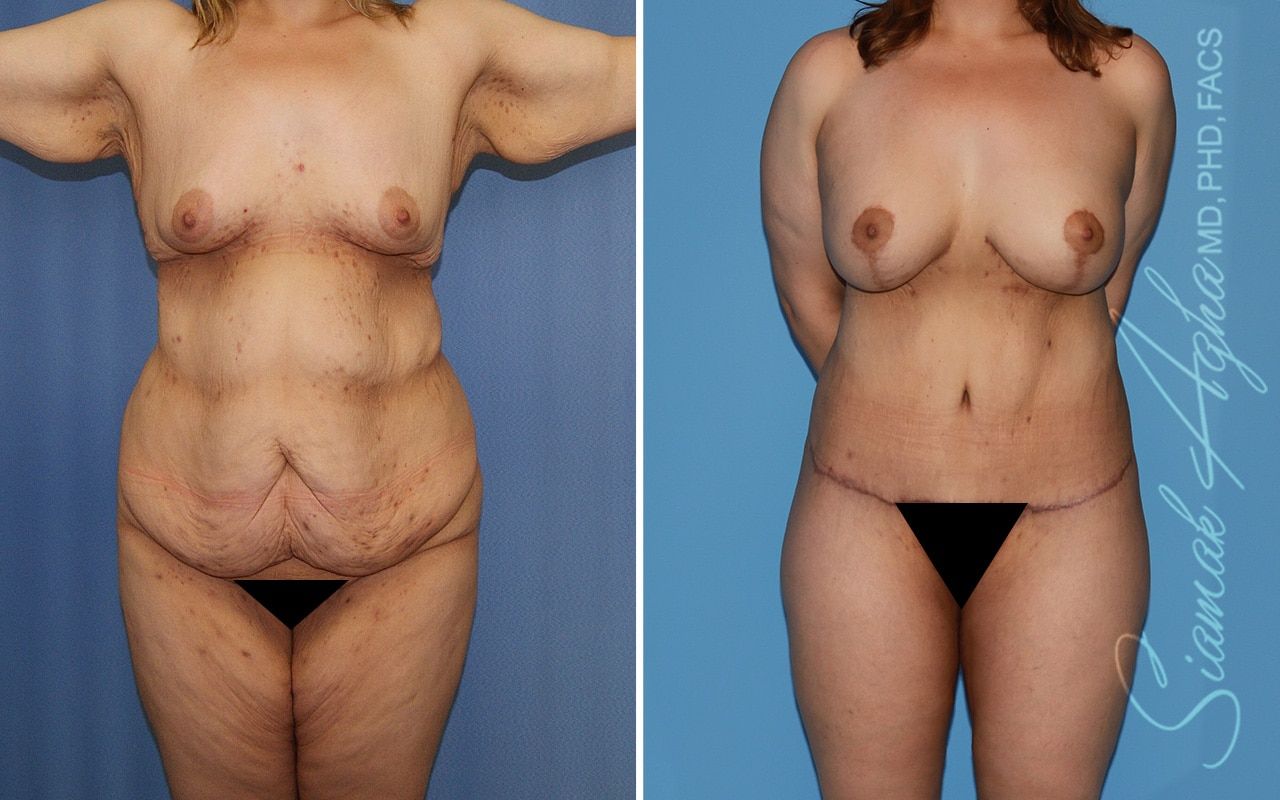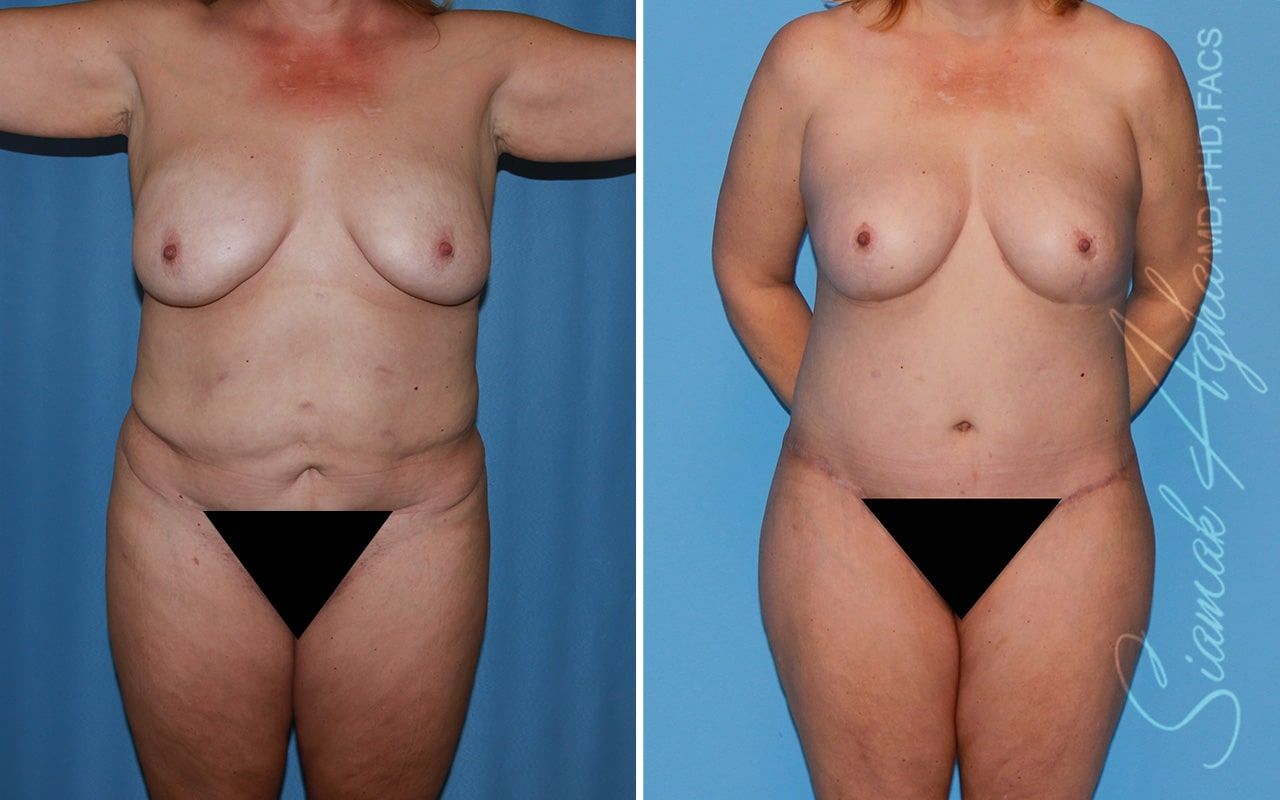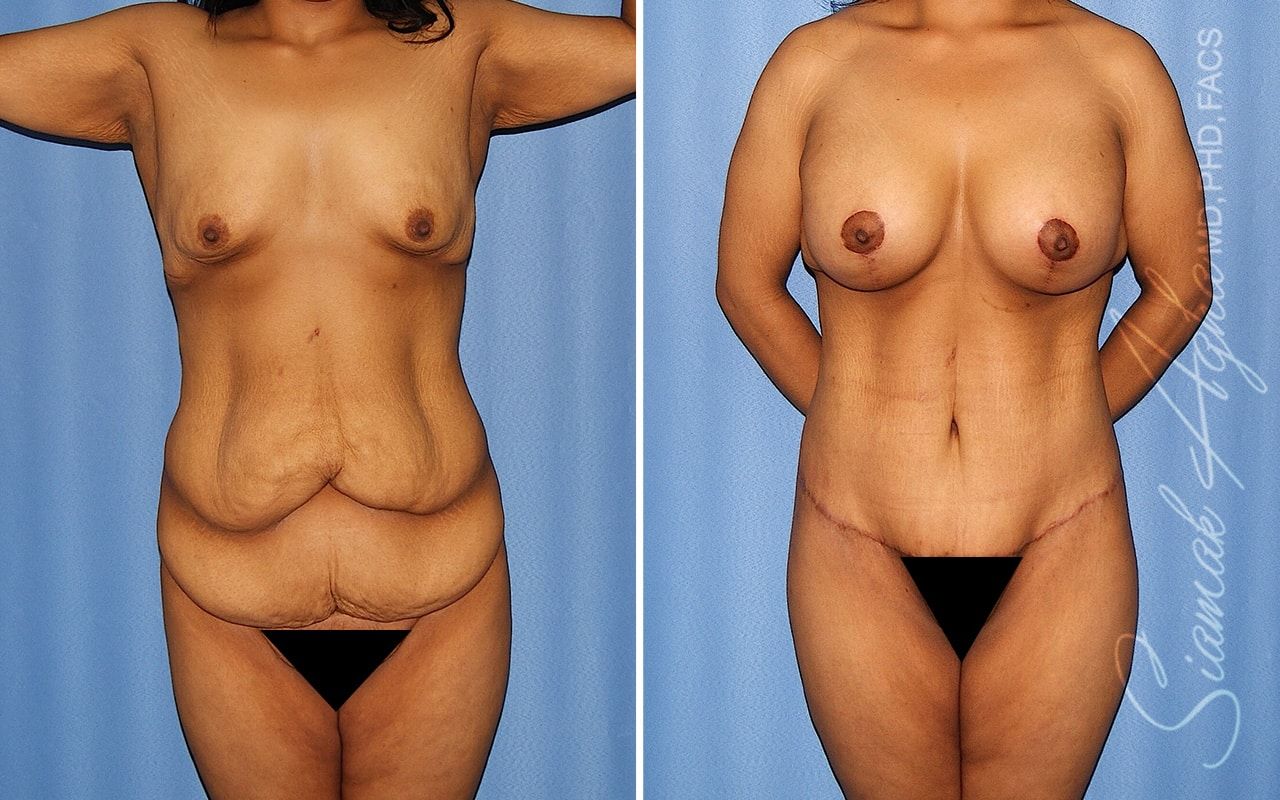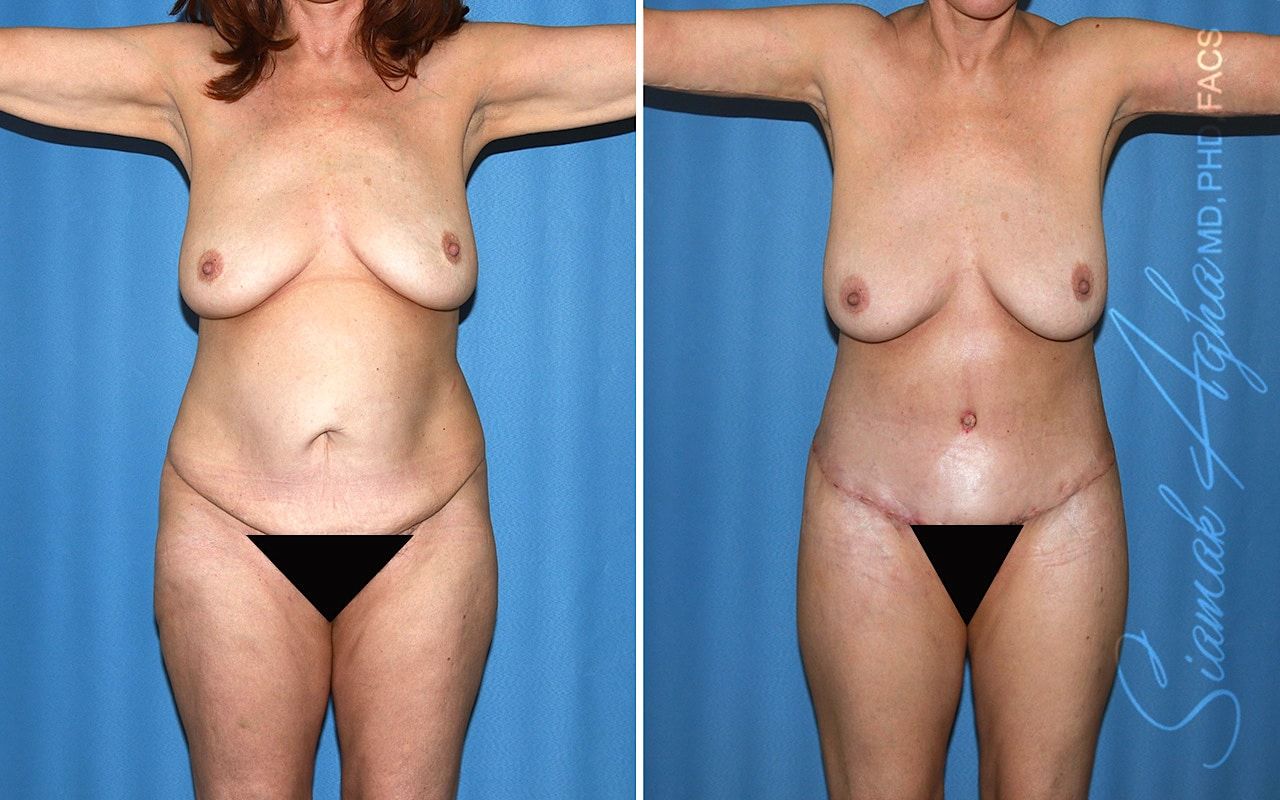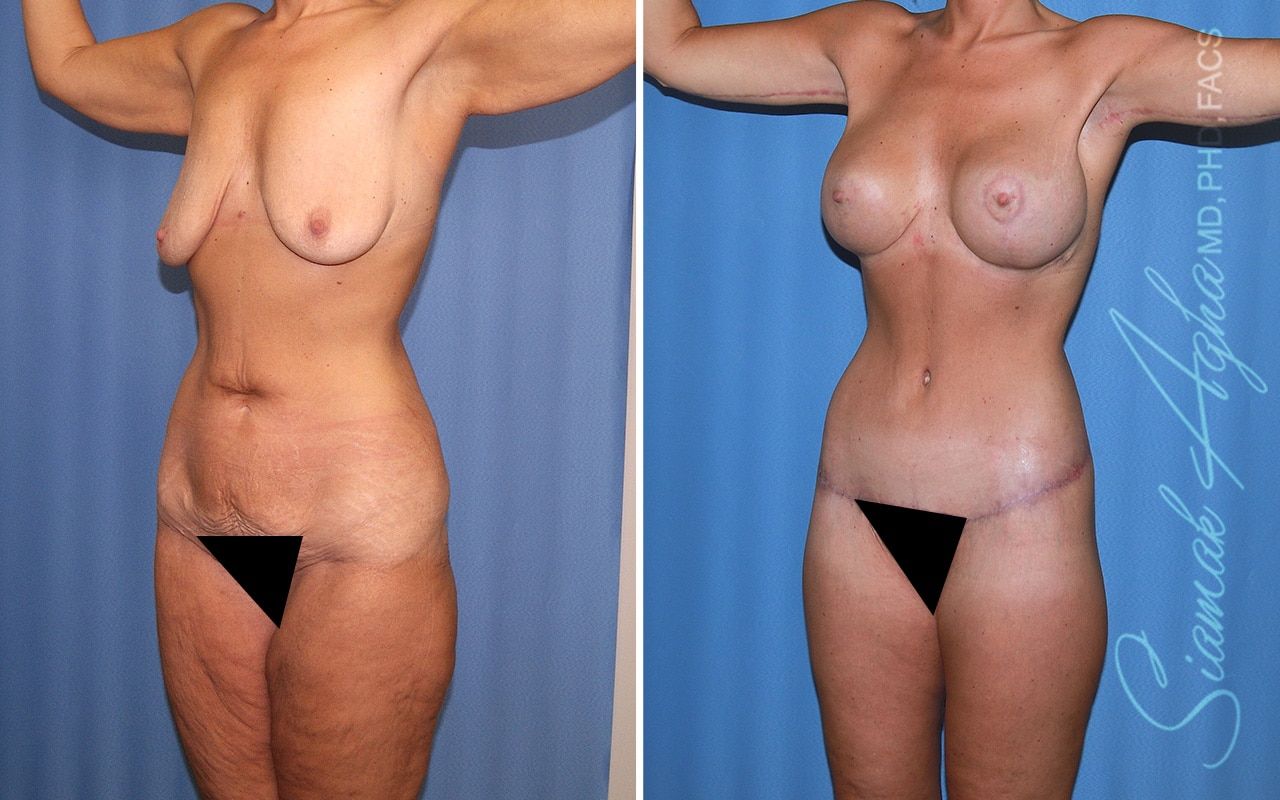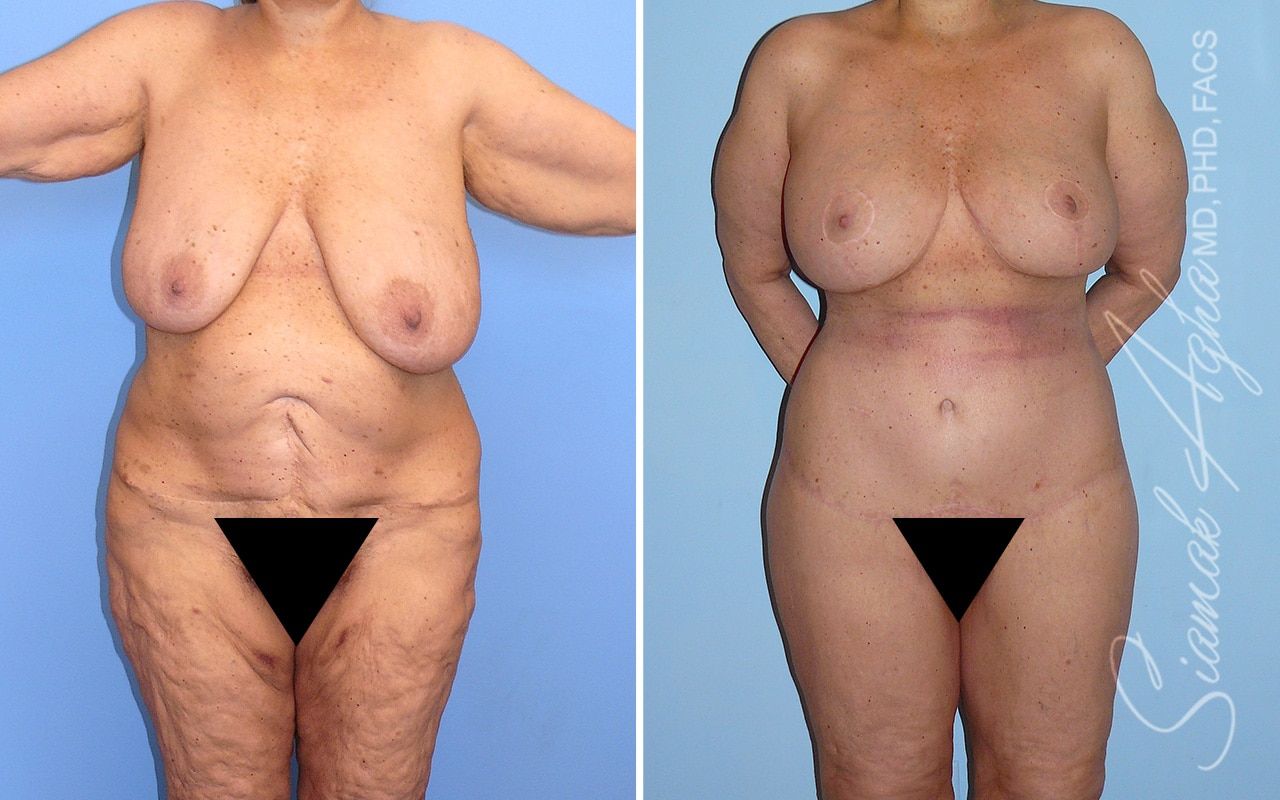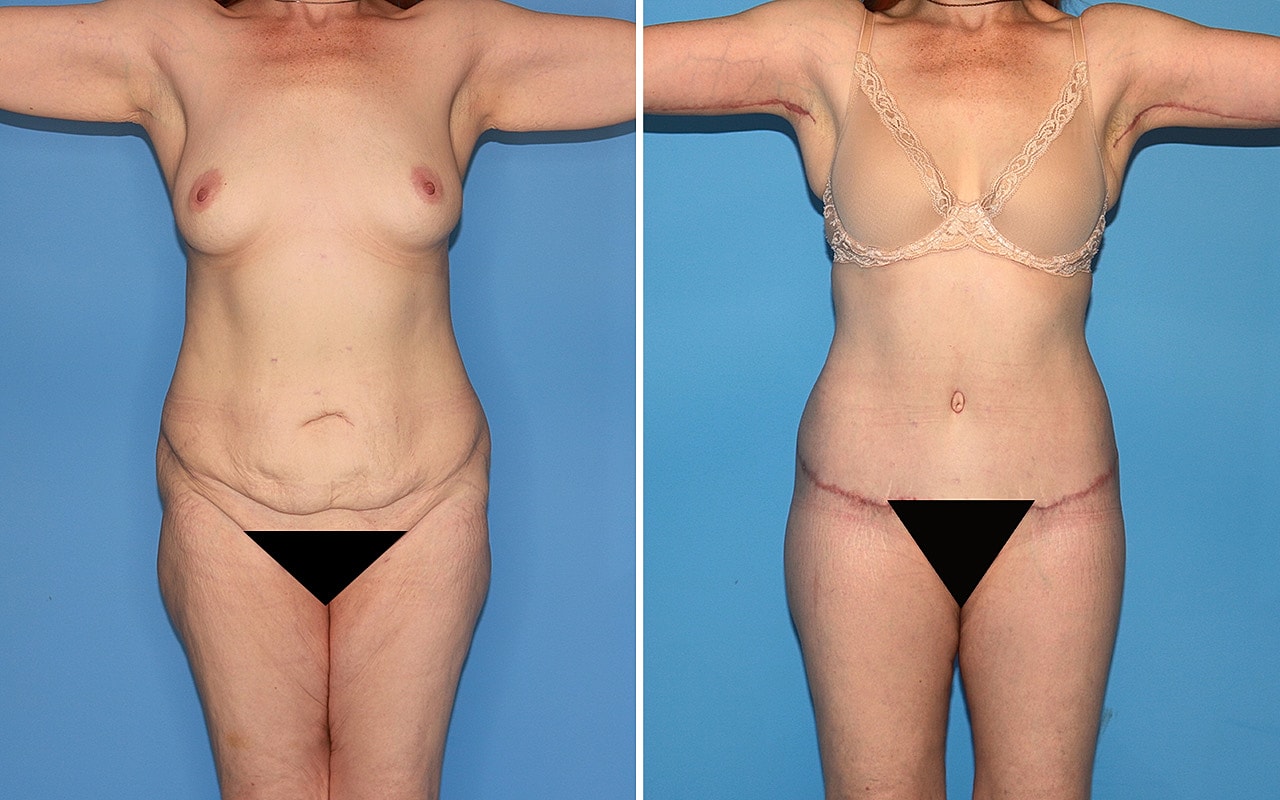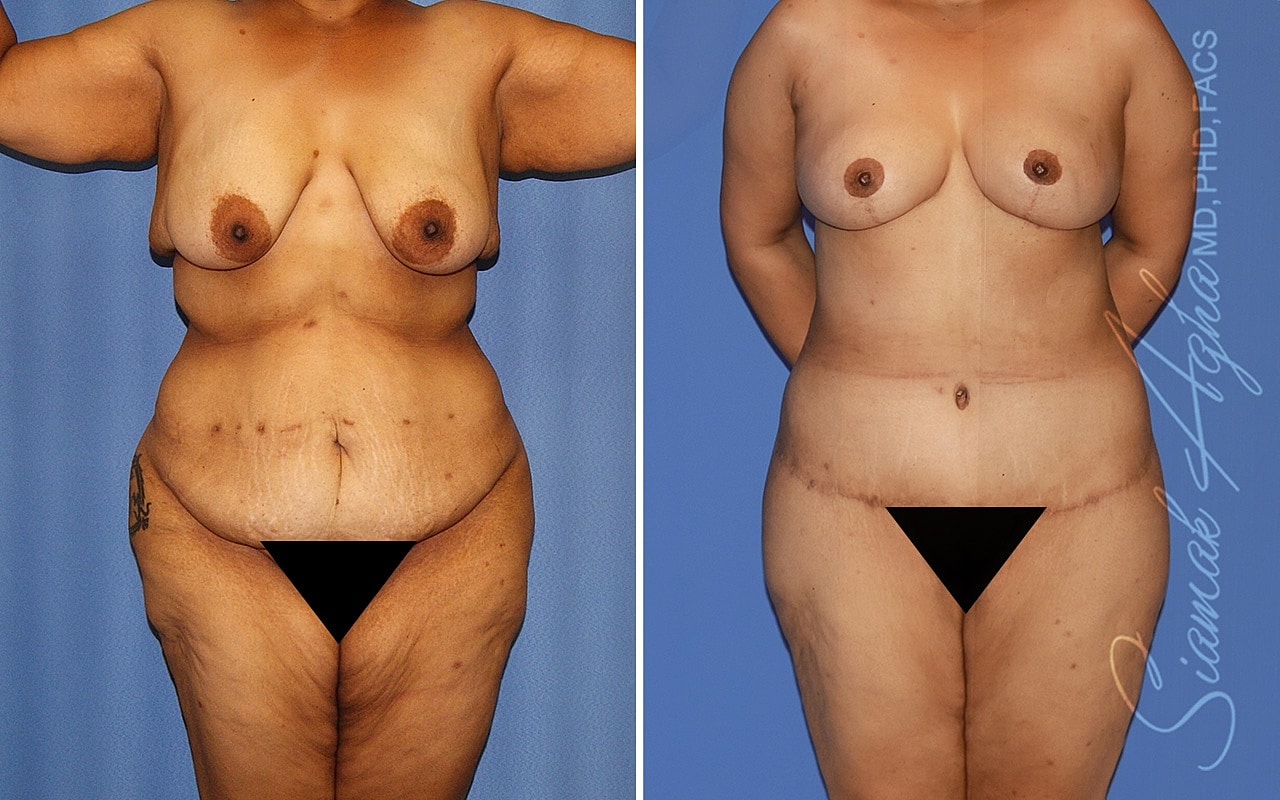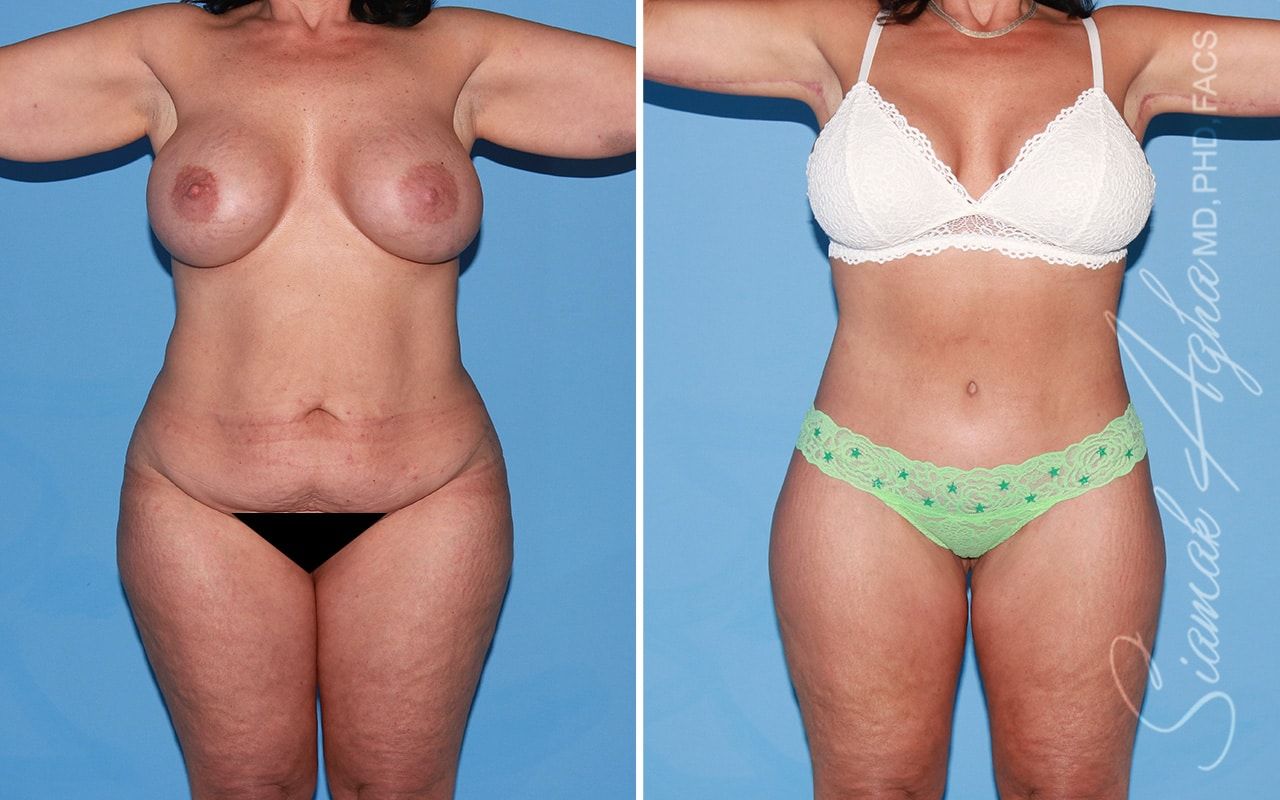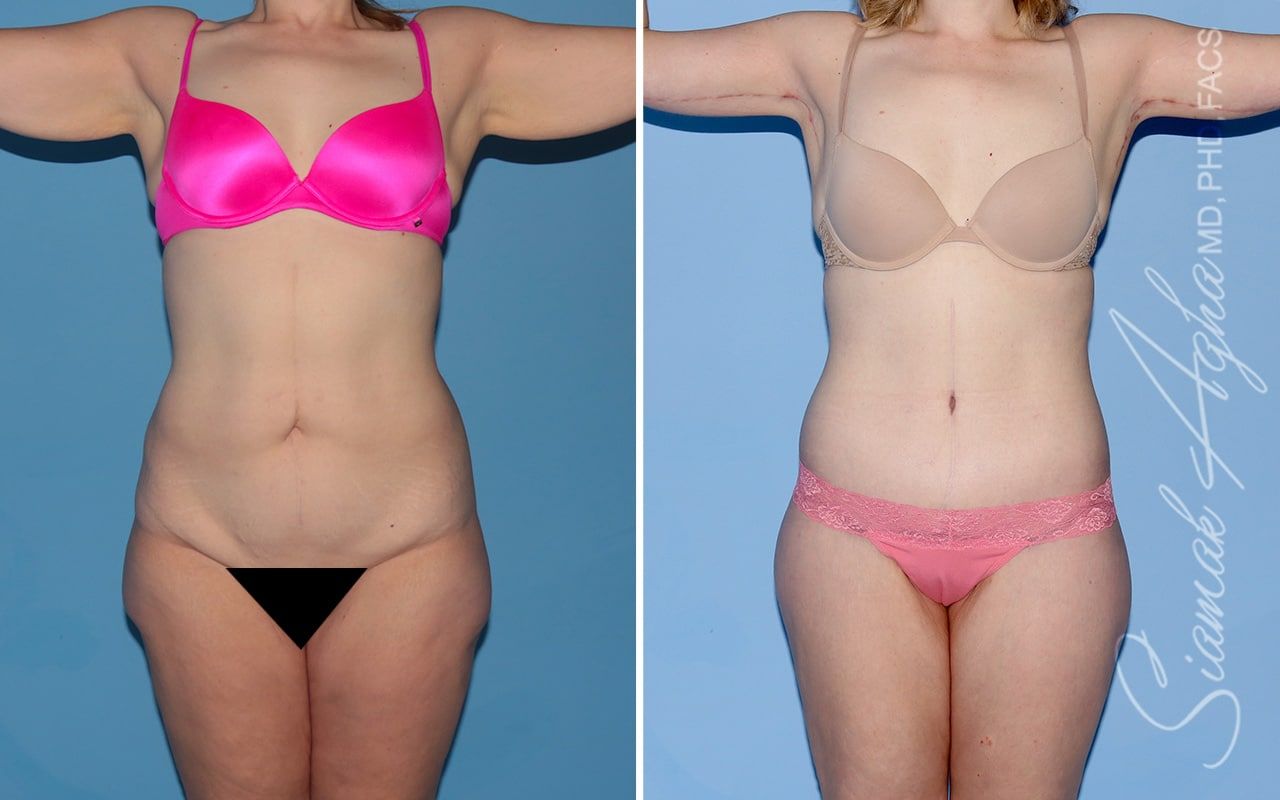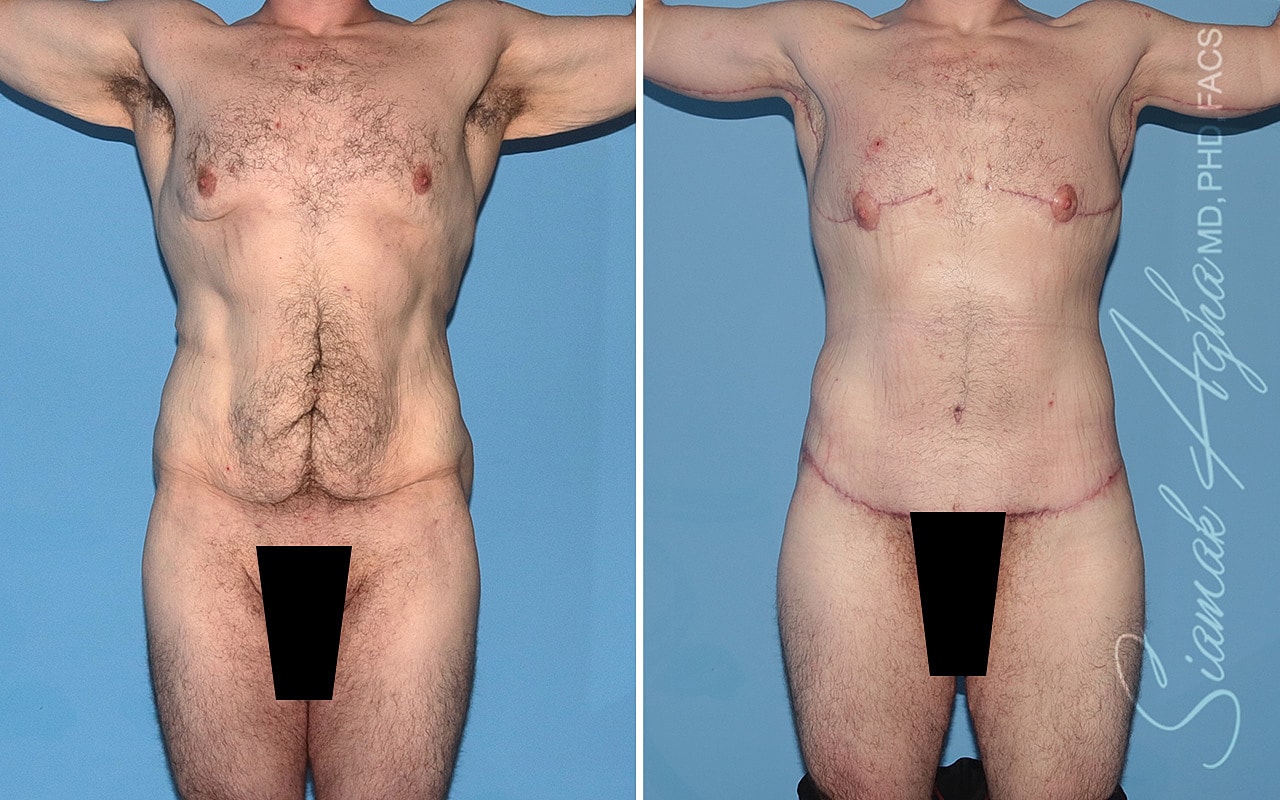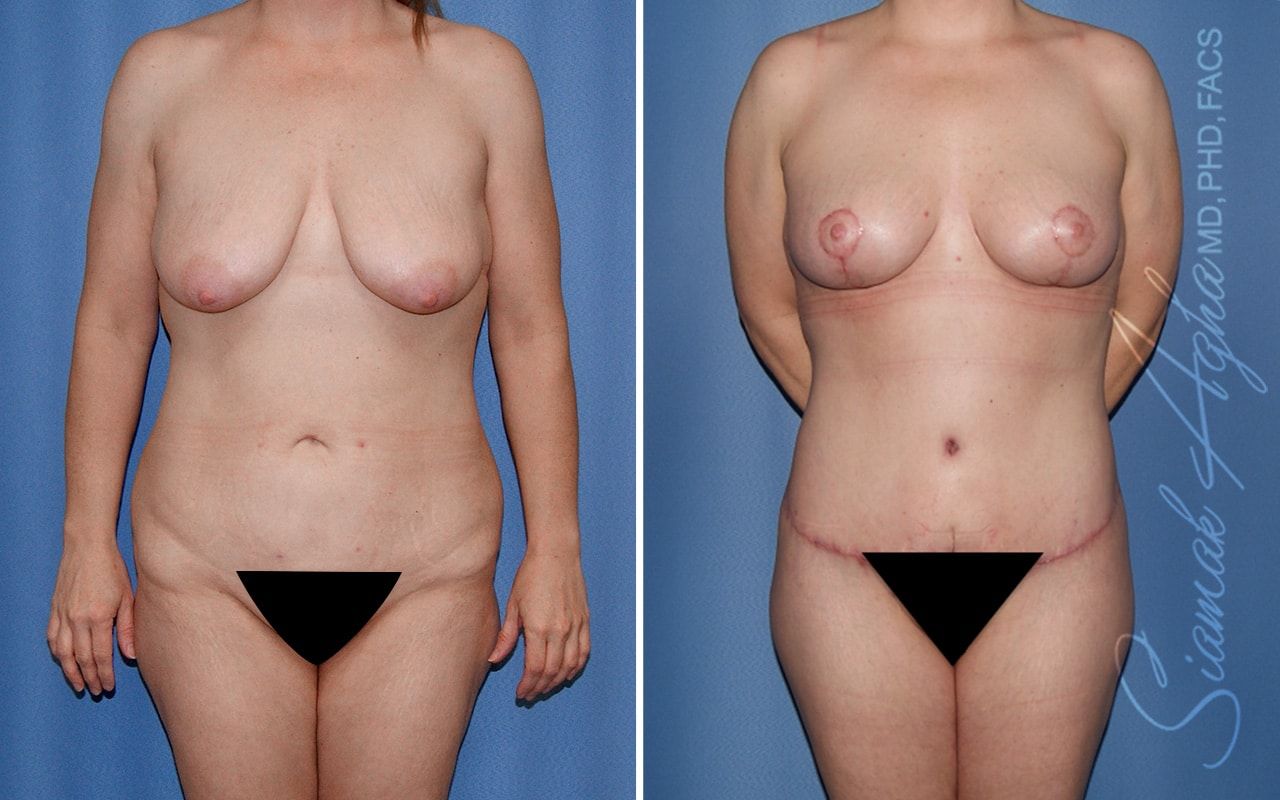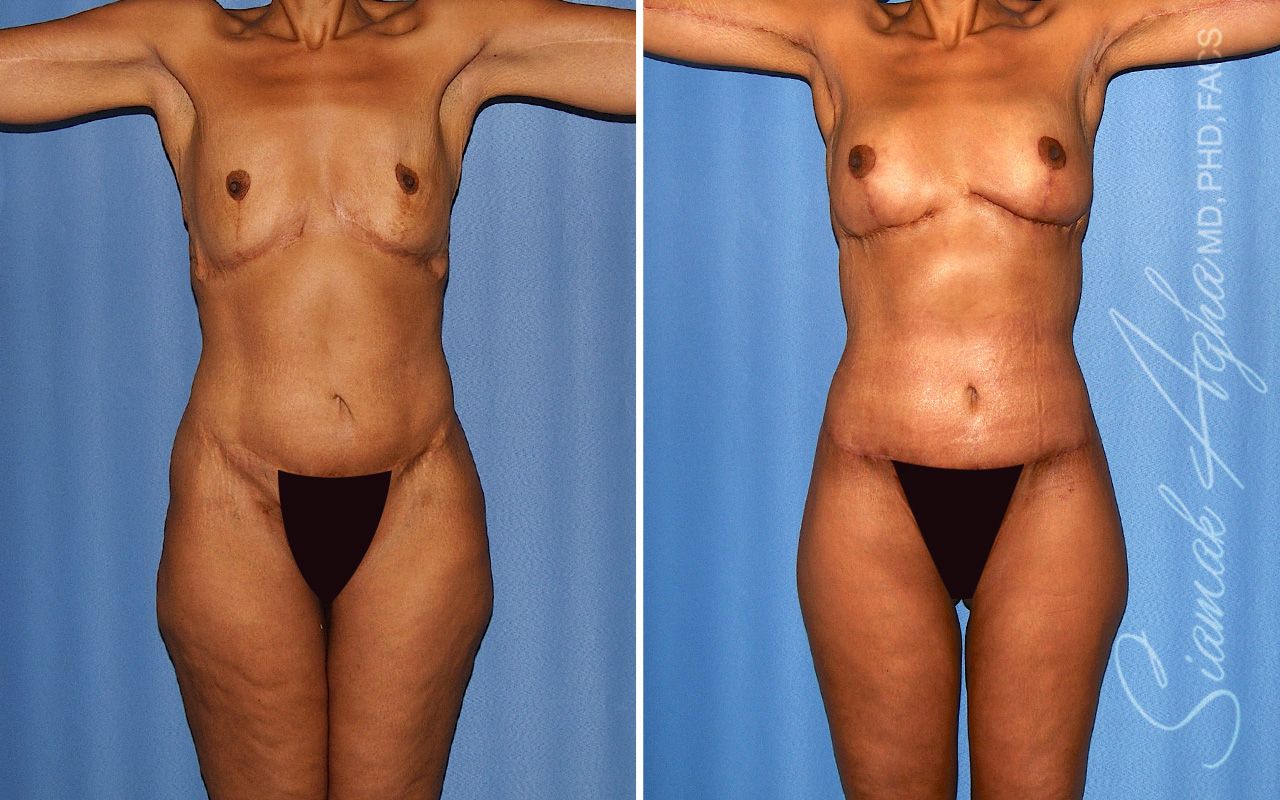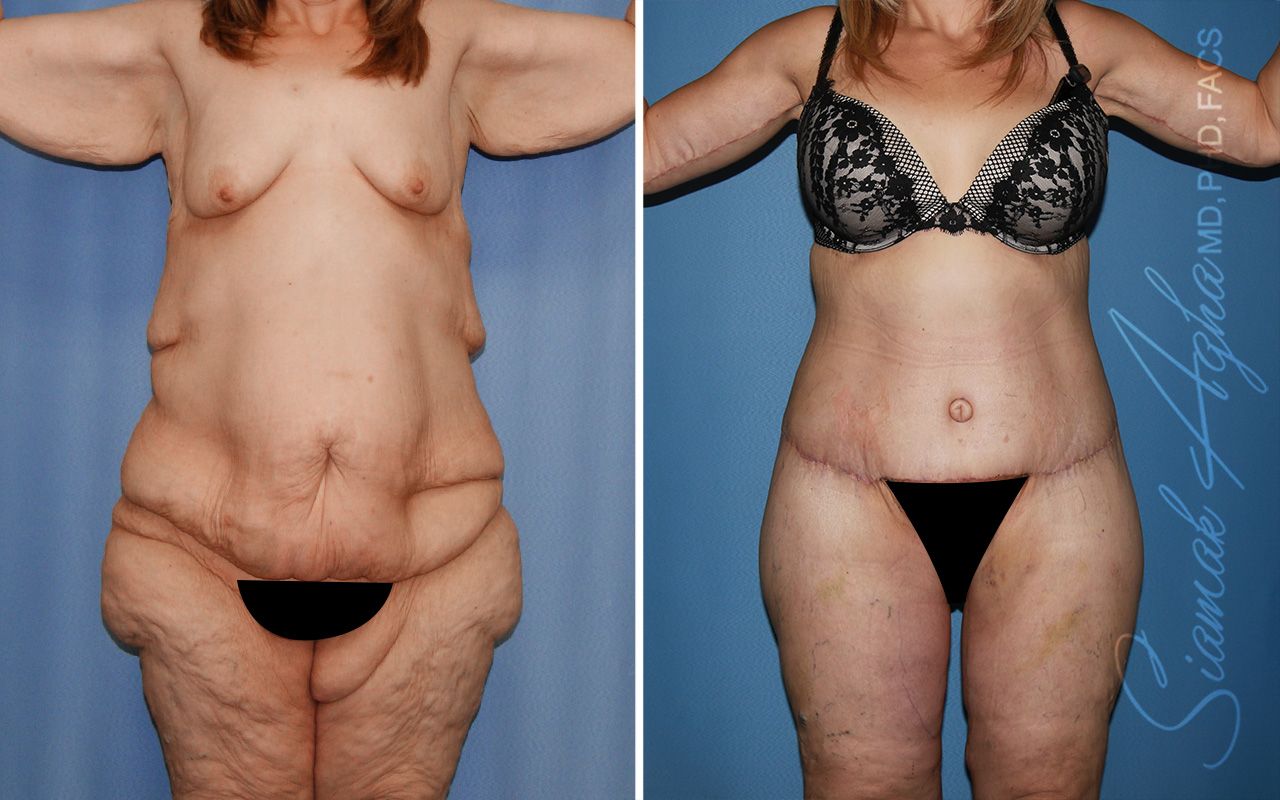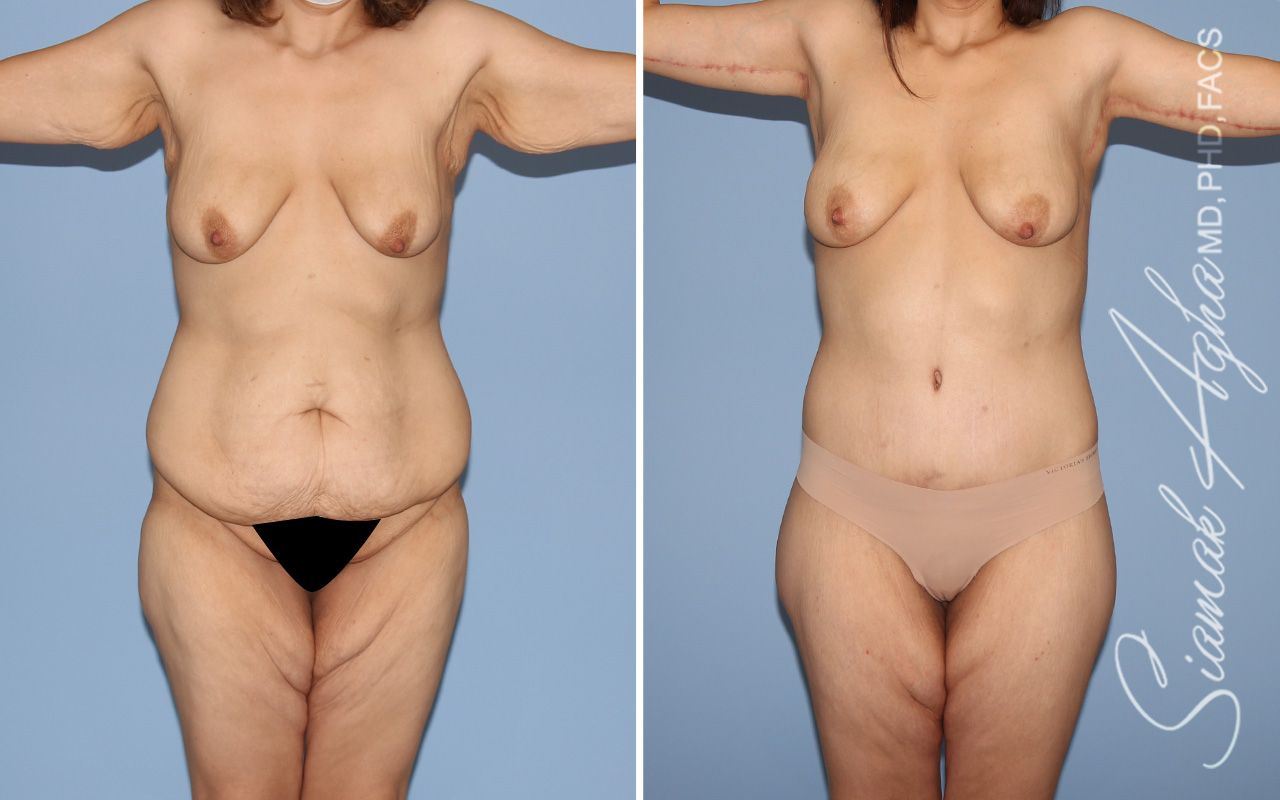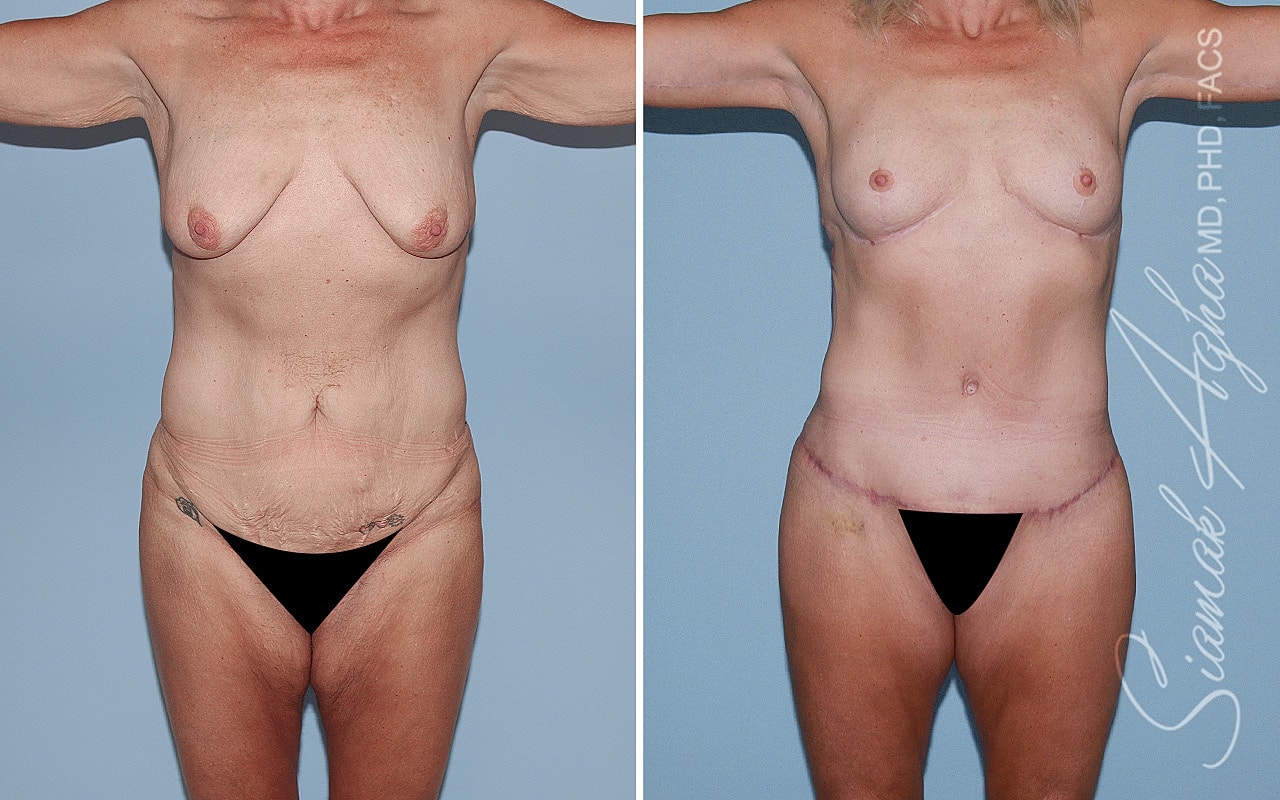


Losing a significant amount of weight is a major accomplishment. Whether the weight loss comes from bariatric surgery, GLP-1 medications, diet, exercise, or a combination of methods, it can improve health, confidence, and mobility. However, for many patients, the physical transformation does not end when the weight comes off.
After massive weight loss, the skin and soft tissues often do not shrink back to fit the body’s smaller size. Instead, loose skin may remain on the abdomen, arms, breasts, chest, back, buttocks, thighs, face, neck, and even the calves. This excess skin can cause irritation, rashes, redness, inflammation, odor, hygiene problems, ulceration, and difficulty wearing properly fitted clothing. It can also interfere with exercise, intimacy, daily comfort, and the ability to fully enjoy the results of weight loss.
For many patients, plastic surgery after weight loss is the final stage of the transformation. It is not simply about removing skin. It is about restoring body shape, improving support, tightening loose tissue, and rebuilding proportion after the body has gone through dramatic change.
At The One Plastic Surgery Center, Dr. Siamak Agha MD, PhD, FACS specializes in advanced body contouring after weight loss. His approach is highly individualized because weight loss patients rarely have just one isolated problem. Most have a combination of vertical laxity, horizontal laxity, excess skin, remaining fat, tissue descent, flattening, deflation, and loss of curves.

1 of 68
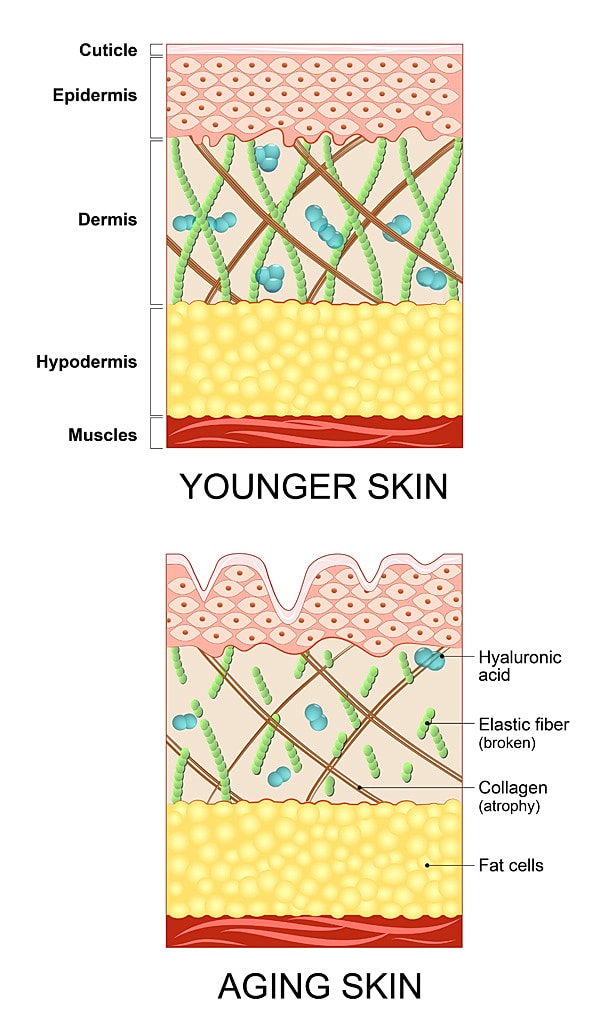
As the body gains weight, the skin stretches to accommodate the larger body size. With repeated cycles of weight gain and loss, the skin’s dermal elasticity and the underlying connective tissue framework can become damaged. This connective tissue layer helps hold the skin tightly against the structures beneath it. Once it weakens, the skin may not contract well after weight loss.
This is why many post-weight-loss patients are left with hanging folds, stretch marks, and loose tissue even after reaching a healthy weight. The issue is not lack of effort. The skin has simply been stretched beyond what it can naturally recover from.
Bariatric surgery and other major weight-loss methods can produce dramatic changes, sometimes over a relatively short period of time. The ASMBS (American Society for Metabolic & Bariatric Surgery) estimated more than 270,000 bariatric procedures in the United States in 2023, and many of these patients later experience excess skin and body contour changes that require surgical correction. The ASPS (American Society if Plastic Surgeons) explains that after substantial weight loss, the skin and tissues often lack the elasticity to conform to the reduced body size

One of the most important concepts in post-weight-loss body contouring is understanding the direction of skin laxity.
Some patients have mostly vertical laxity, meaning the skin hangs downward. Others also have horizontal or circumferential laxity, meaning the tissue is loose around the body and creates excess width. Many patients have both.
This distinction matters because different procedures correct different dimensions of laxity. A standard tummy tuck may improve the front of the abdomen, but it may not fully address waist laxity, hip rolls, outer thigh descent, buttock sagging, or circumferential looseness. Similarly, a short-scar arm lift may not be enough if laxity extends from the elbow through the armpit and into the upper chest or back.
Dr. Agha evaluates post-weight-loss patients by looking at:
After major weight loss, many patients experience changes across the entire body rather than in one isolated area. This is why Dr. Agha’s consultation process focuses on the full pattern of laxity, not just the most obvious concern.
The arms may develop mild, moderate, or severe laxity along the underside of the upper arm. In more advanced cases, looseness can extend from the elbow into the armpit and upper chest. The armpit may appear hollowed, loose, or dropped, creating a continuous fold that connects the arm to the side of the chest or upper back.
For these patients, an arm lift may need to do more than remove hanging skin from the upper arm. Dr. Agha may evaluate whether the laxity extends into the armpit, chest, or back, which can influence incision placement and surgical planning.
Weight loss can cause the breasts to deflate, flatten, and sag. In many post-weight-loss patients, the inframammary crease under the breast is pulled downward by the weight of the hanging upper abdominal tissue. This can distort the breast fold and shift the breast unit lower on the chest.
Upper chest laxity can also create excess tissue under the arms, which may bulge over the bra line. Vertical chest and upper back laxity may create hanging folds that extend from the breast region toward the back.
This is why post-weight-loss breast surgery may involve more than a standard breast lift. Depending on the patient, Dr. Agha may discuss breast lift, breast reduction, breast augmentation, breast fat transfer, correction of the breast fold, or his Internal Dermal Bra breast lift technique.
The abdomen often develops a hanging pannus, or apron of skin, that may extend over the pubic area. Post-weight-loss abdominal laxity is rarely limited to the lower abdomen. Many patients have loose upper abdominal skin, lower abdominal skin, waist laxity, loss of waist concavity, and sagging of the mons pubis.
A traditional tummy tuck may not fully address this pattern. Depending on the patient, Dr. Agha may recommend an extended tummy tuck, circumferential tummy tuck, reverse tummy tuck, lower body lift, or High-Definition Lower Body Lift™. Dr. Agha pioneered the High-Definition Lower Body Lift™, which is designed to address the abdomen, waist, pubic region, outer thighs, and buttocks as part of a more comprehensive body contouring plan.
The lower back often forms a roll that continues from the abdominal pannus around the waist and over the upper buttocks. This is commonly called the hip roll. In some patients, this excess tissue can be used as the patient’s own tissue for buttock augmentation and reshaping.
After weight loss, the buttocks are often deflated, loose, wide, or sagging. Rather than treating the buttocks as a separate isolated area, Dr. Agha evaluates the relationship between the lower back, waist, outer thighs, and buttocks. The goal is to restore a more lifted, supported, and proportionate shape.
The thighs commonly develop laxity after major weight loss. In many patients, the front, back, inner, and outer thighs all show some degree of vertical sagging. Folds of loose tissue may develop on the inner thighs, outer thighs, or both.
Some patients also develop horizontal thigh laxity, meaning the thighs become wider in addition to being loose. This requires different planning than vertical laxity alone. Depending on the pattern, Dr. Agha may discuss inner thigh lift, vertical thighplasty, thigh reduction, spiral thigh lift, outer thigh lift, posterior thigh lift, or circumferential thigh lift.
Many patients do not require lower-leg correction after weight loss. However, some patients have excess fat, loose skin, or contour concerns around the calves. In select cases, calf reduction or lower-leg contouring may be considered as part of a larger surgical plan.
The ASPS lists arm lift, breast lift, facelift, lower body lift, medial thigh lift, and tummy tuck among common body contouring procedures after major weight loss. However, post-weight-loss surgery is rarely a “menu” decision. The correct plan depends on how the patient’s tissue has changed and which procedures can be safely combined.

The amount of loose skin after weight loss varies from patient to patient. Some people lose a large amount of weight and have only moderate laxity. Others have severe skin redundancy even after less dramatic weight loss.
Factors that influence skin laxity include:
ASPS recommends that patients be close to their goal weight before undergoing post-weight-loss body contouring because continued weight loss after surgery can affect the final result.
You may be a candidate for plastic surgery after weight loss if you have reached a stable weight and are bothered by loose skin, sagging tissue, rashes, hygiene issues, body shape changes, or difficulty wearing clothing comfortably.
The best candidates are generally patients who:
Because post-weight-loss body contouring can involve several areas of the body, Dr. Agha will determine which procedures can be combined safely and which should be staged over time.

Please follow us @drsiamakagha to learn what makes Dr. Agha unique and special, learn from his educational podcasts and consults, and view precision surgery after surgery.