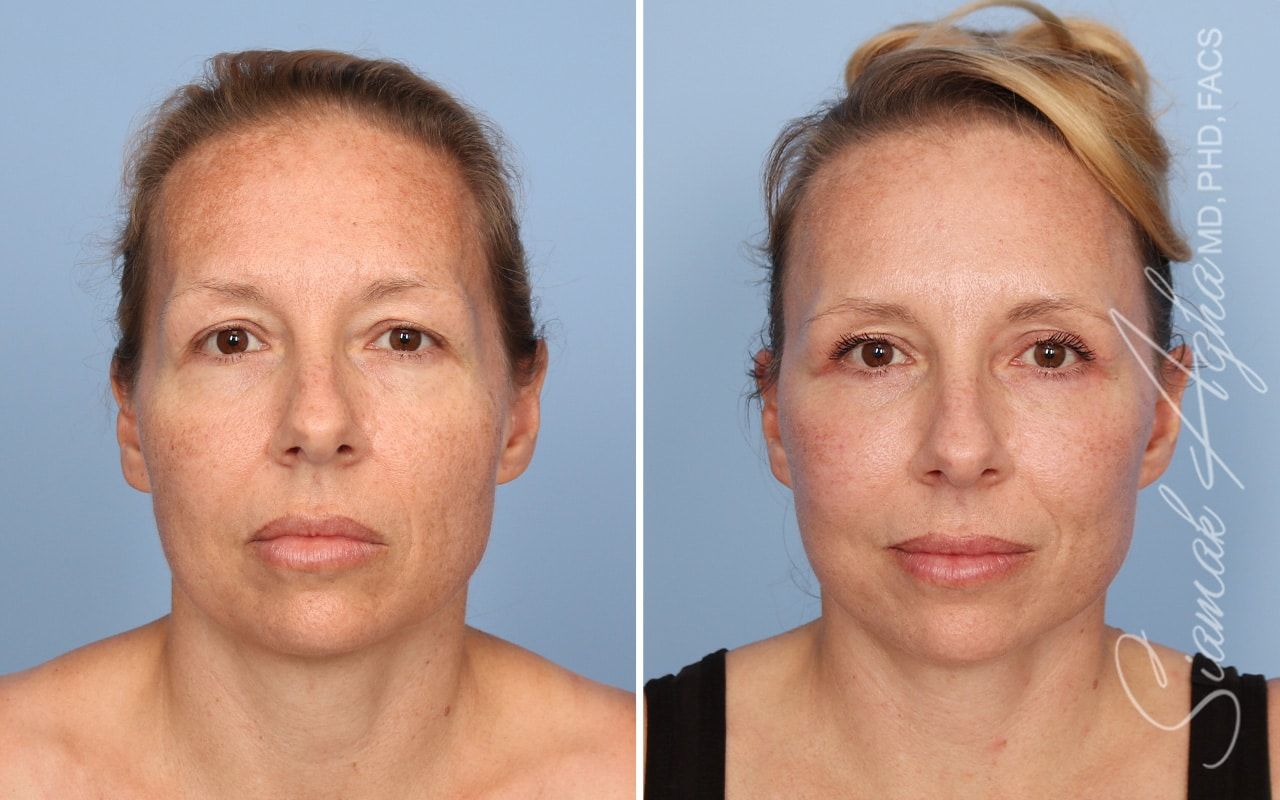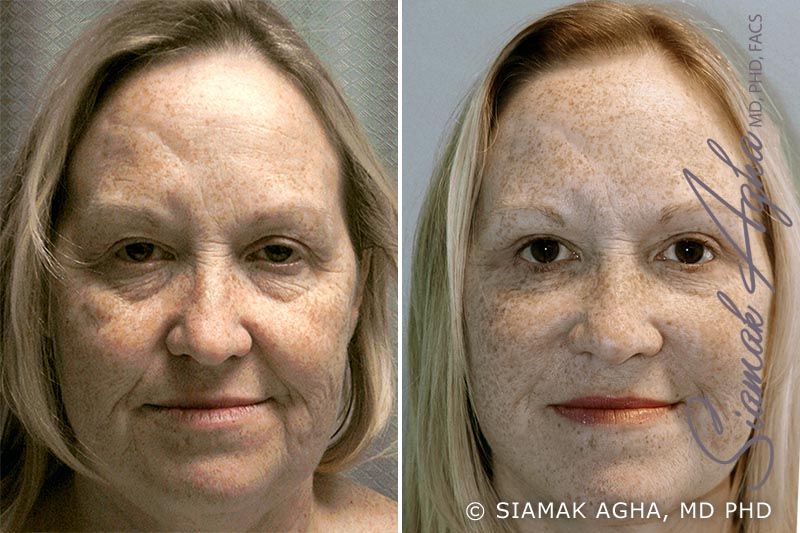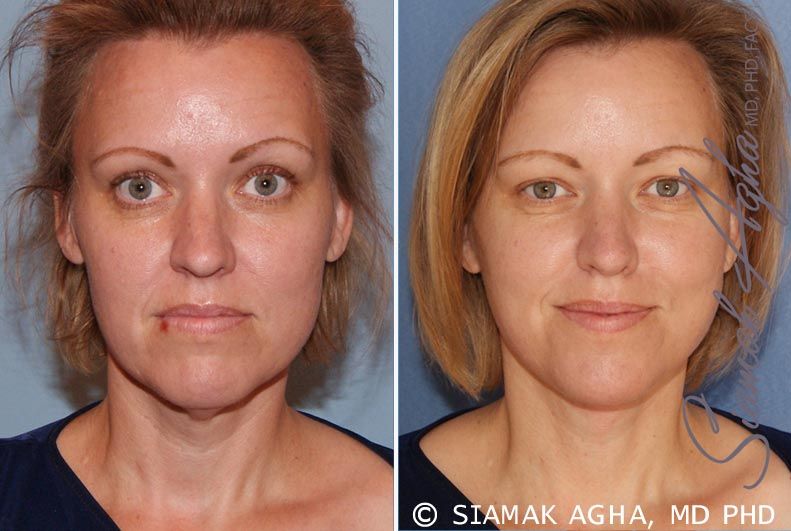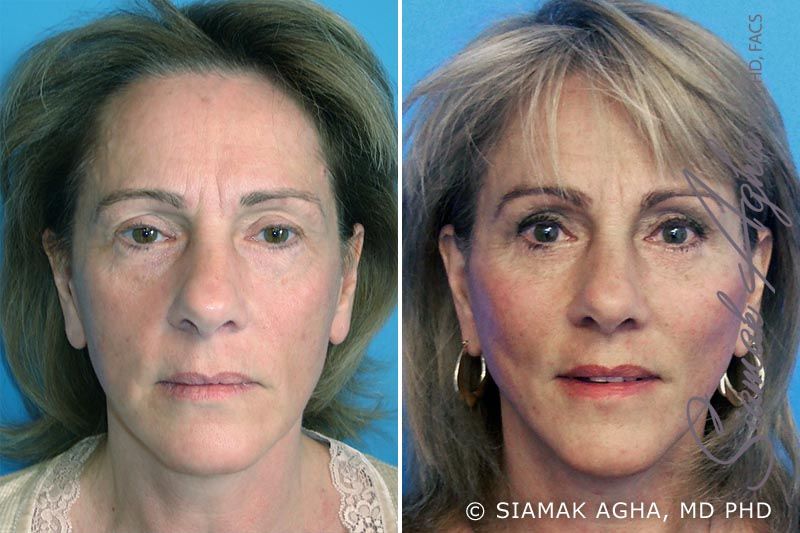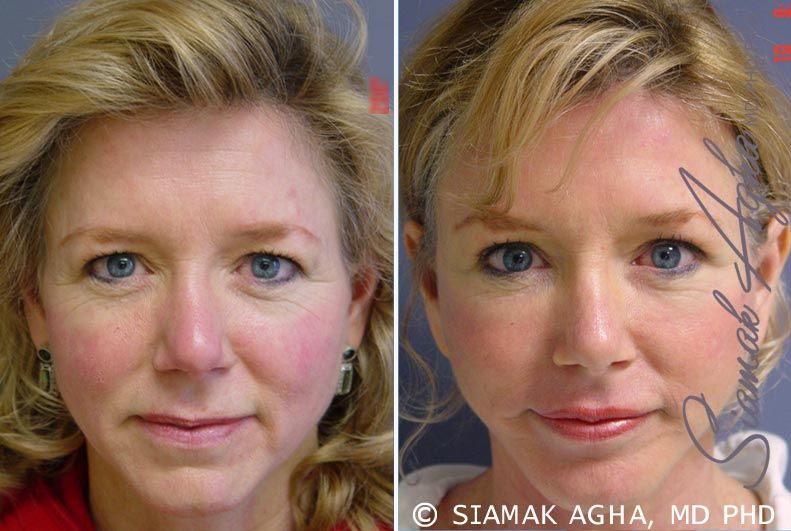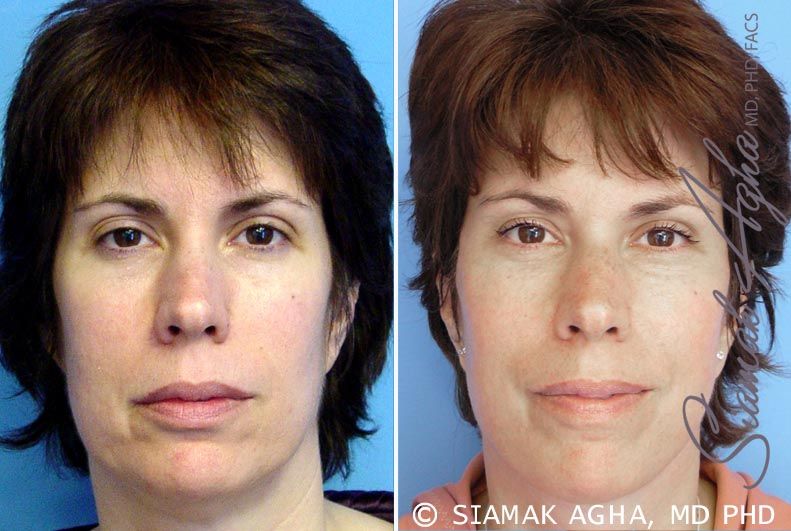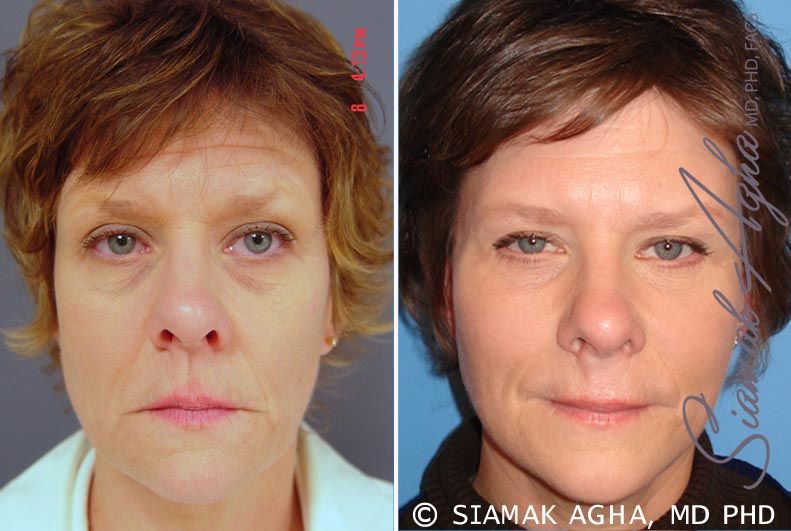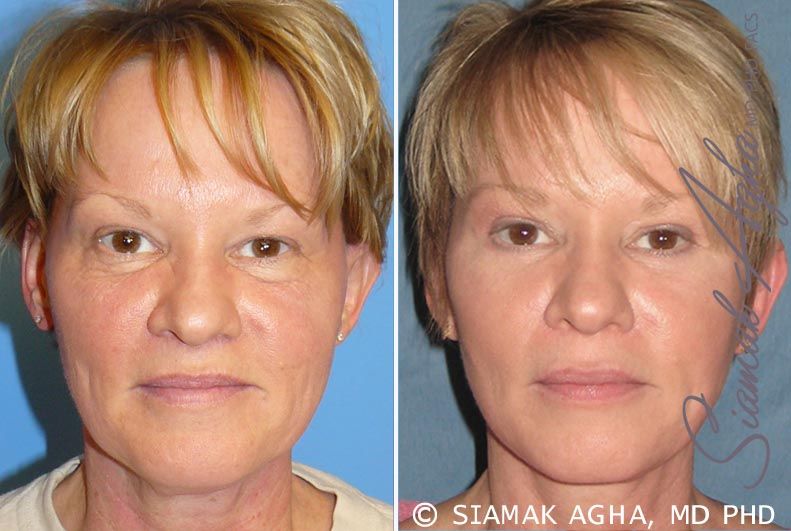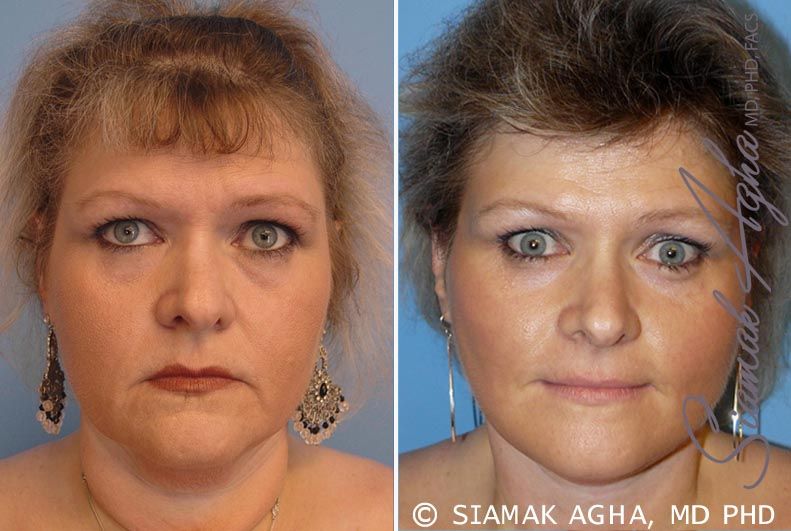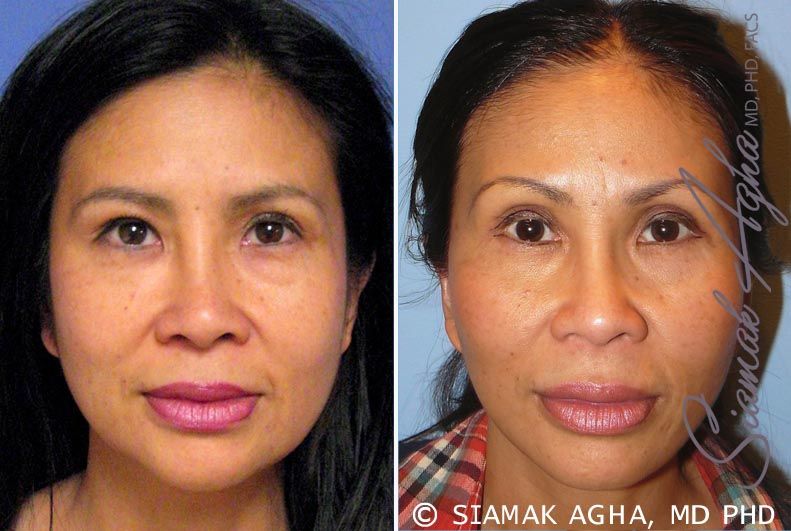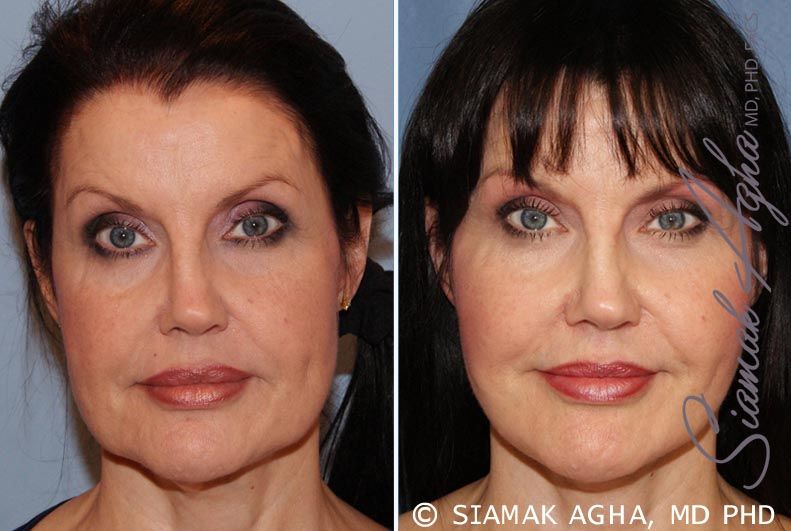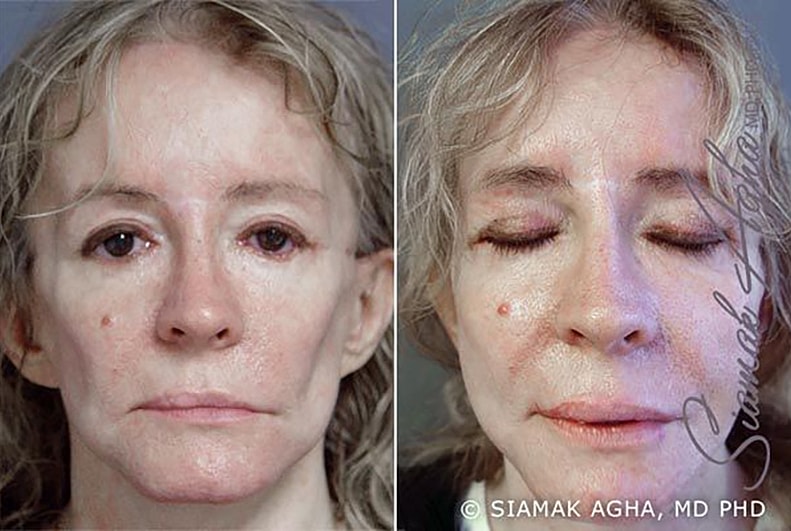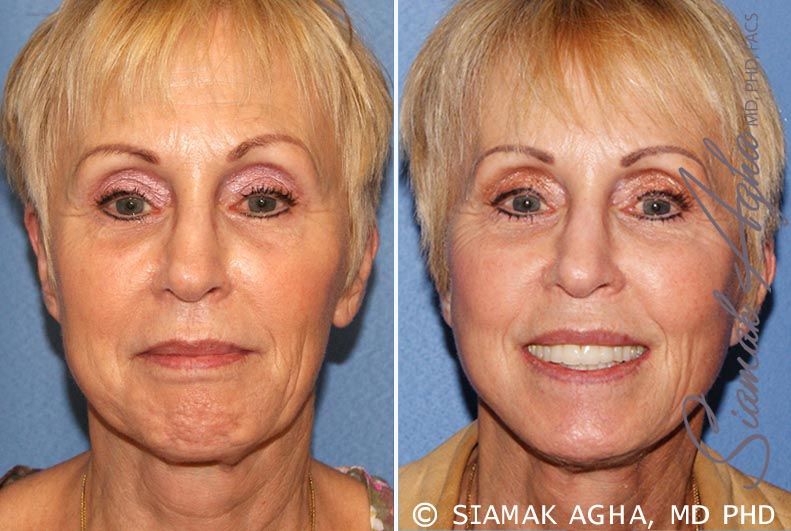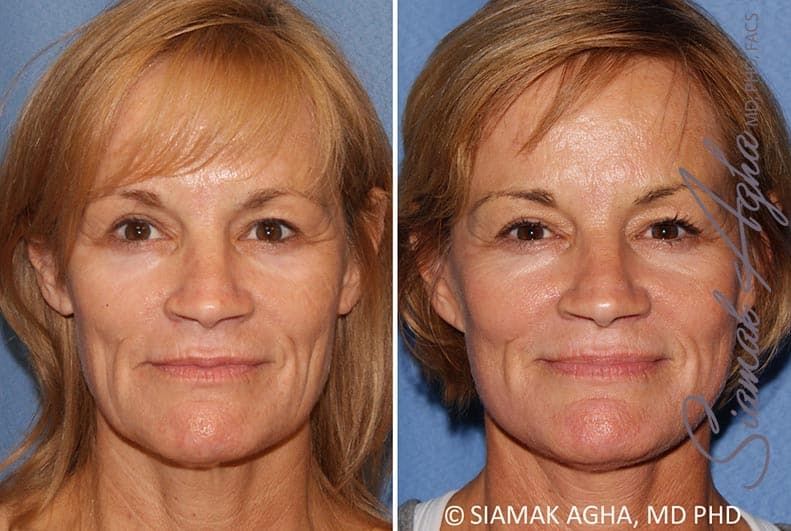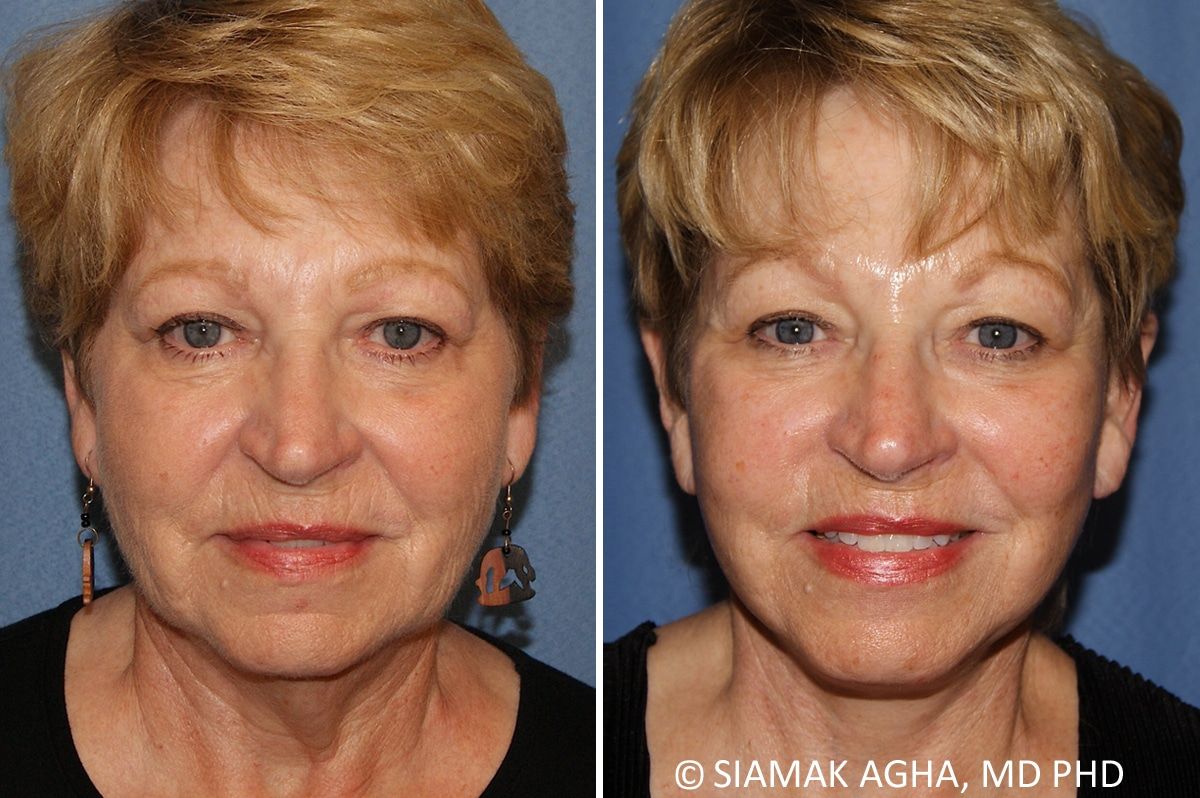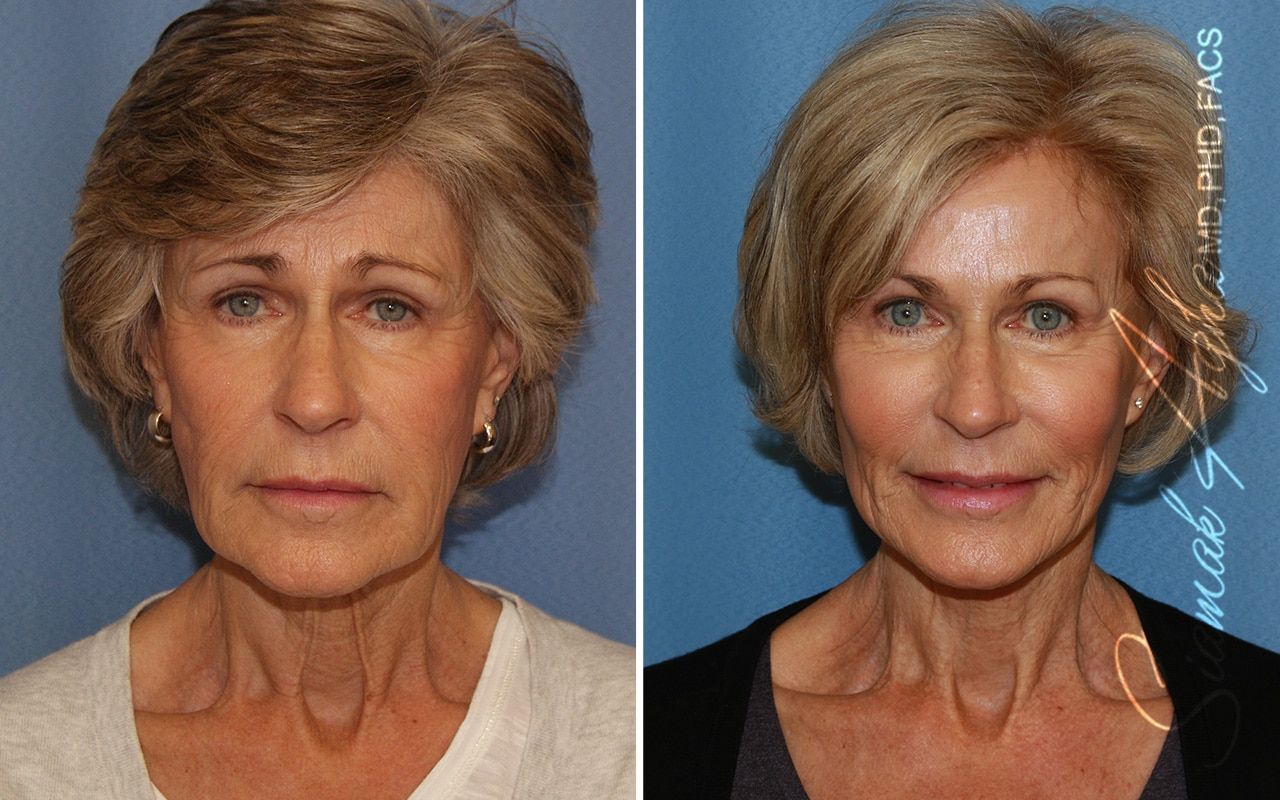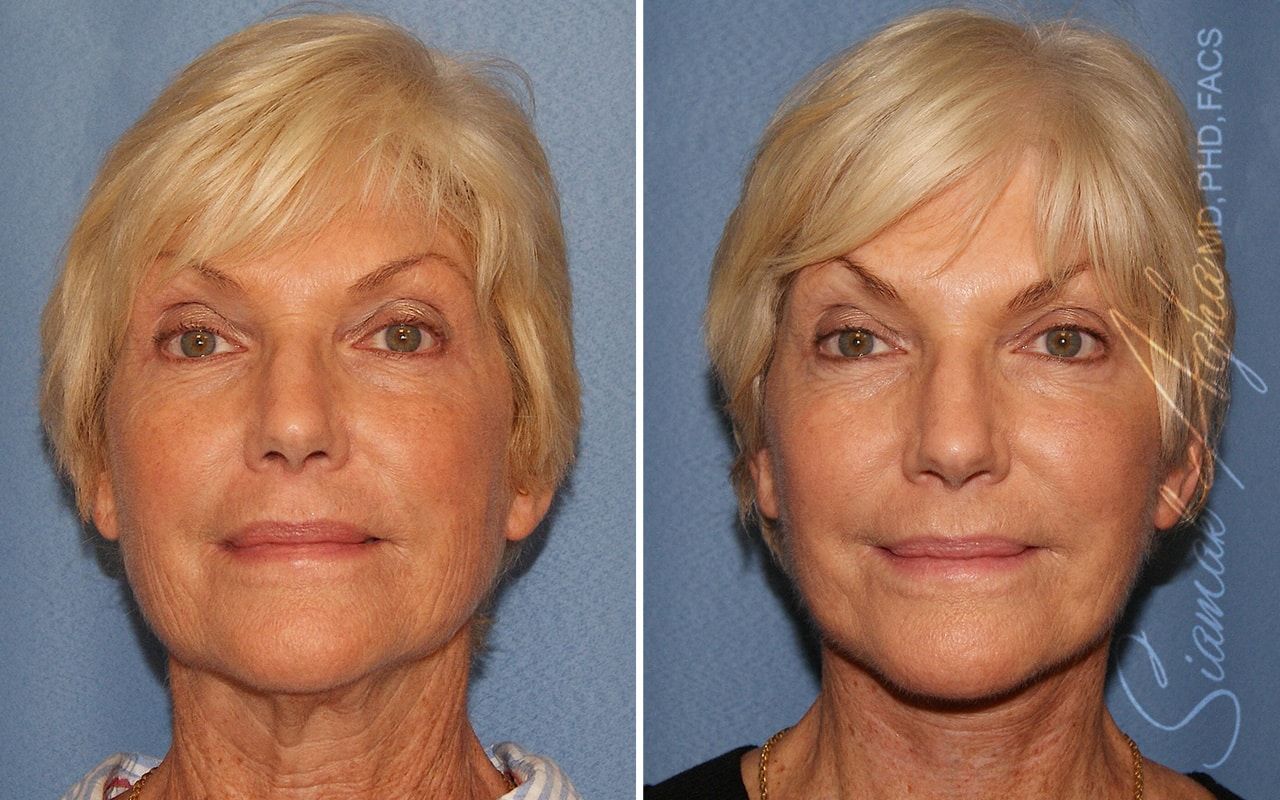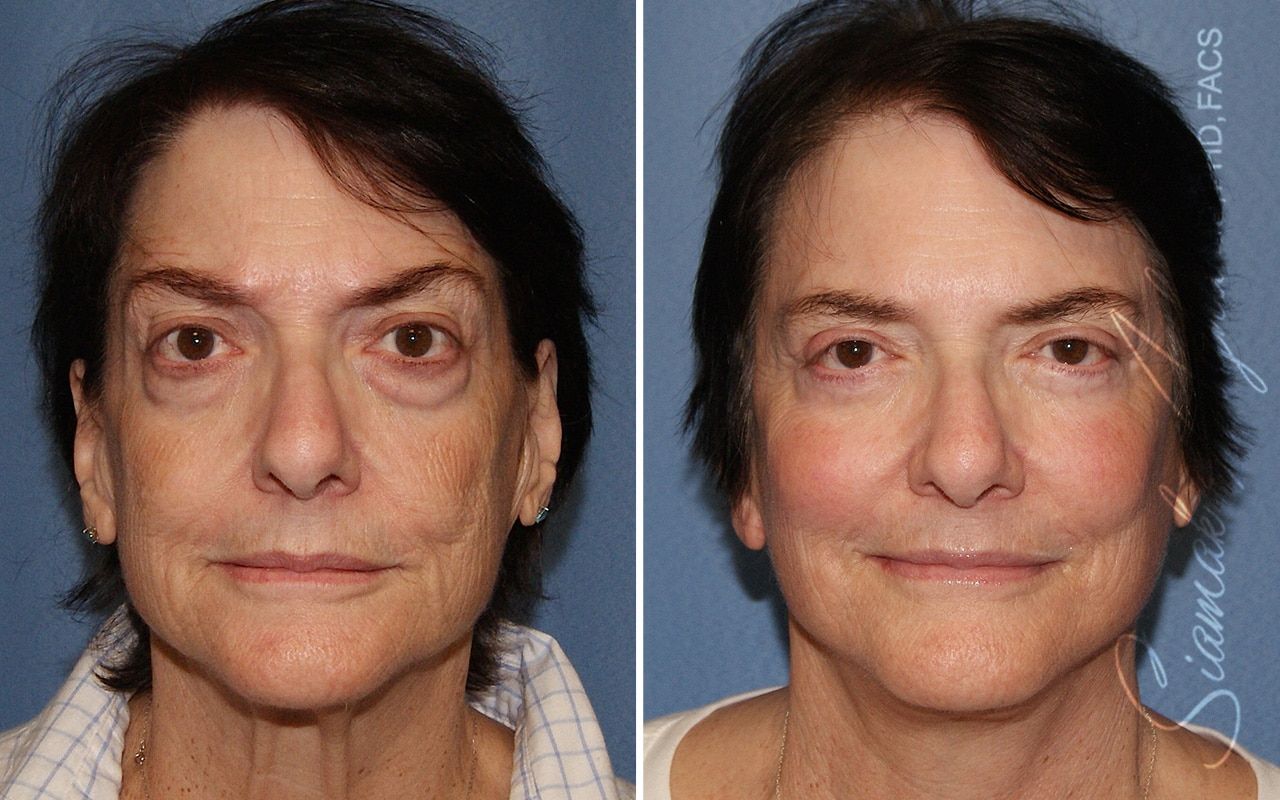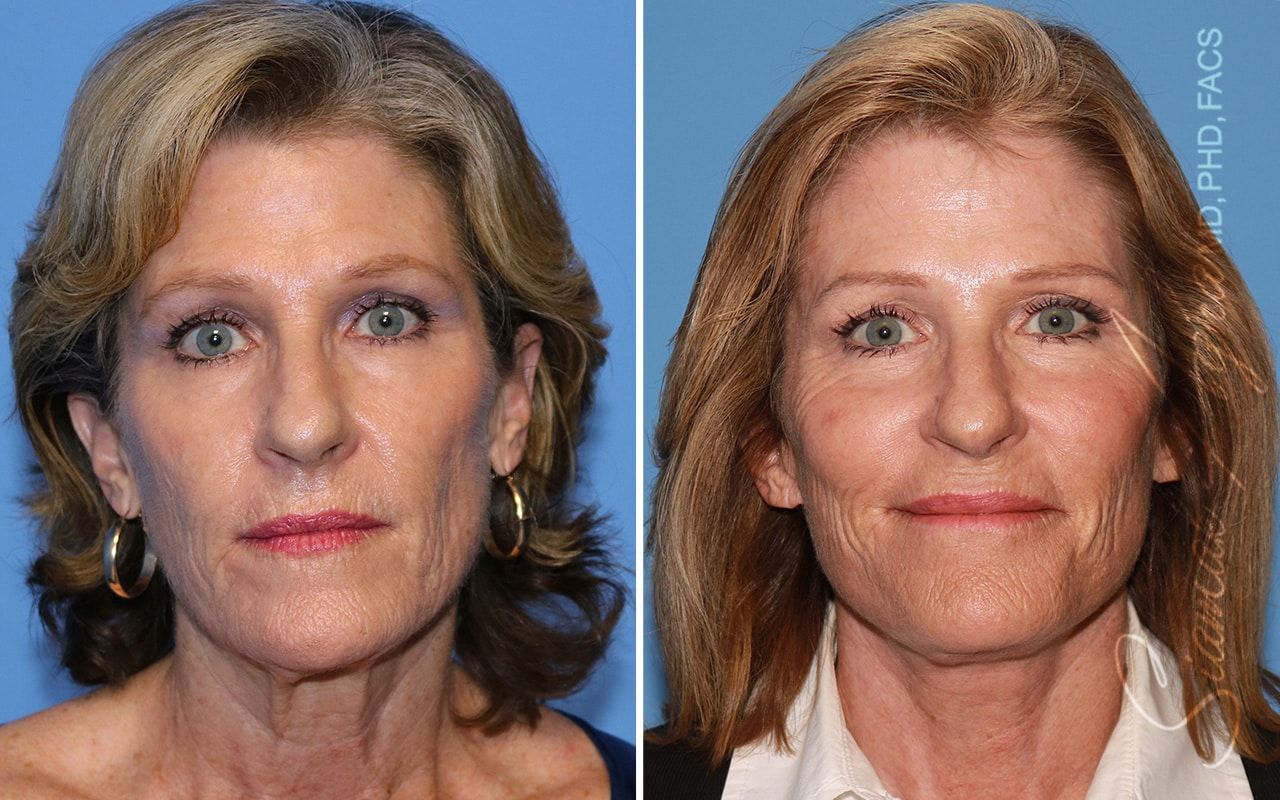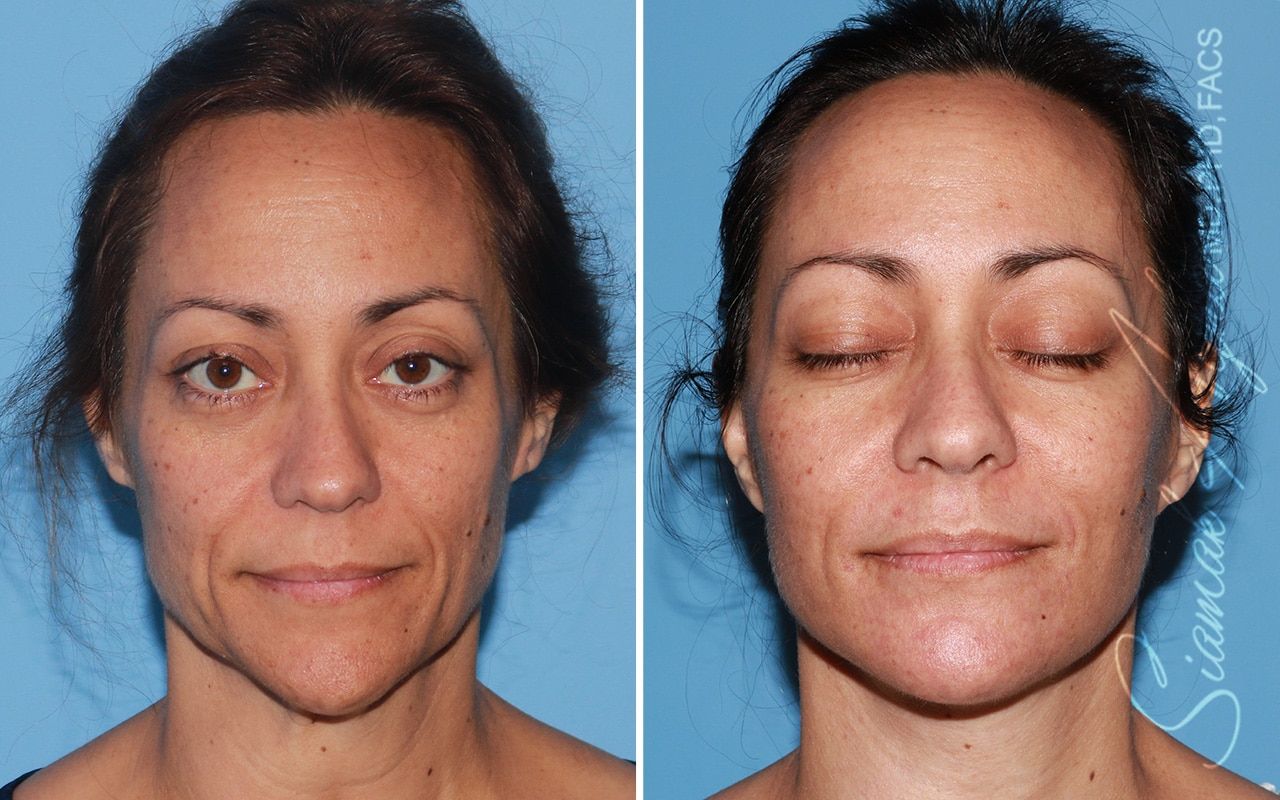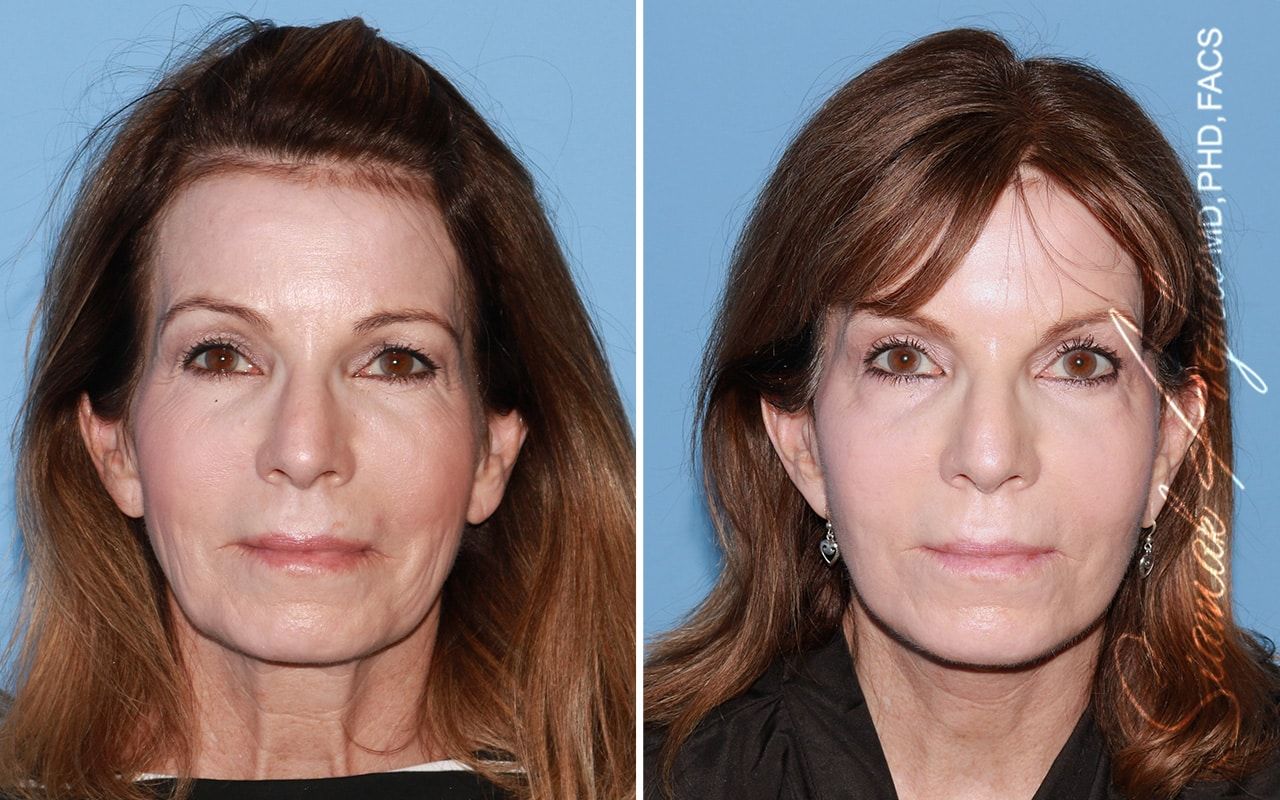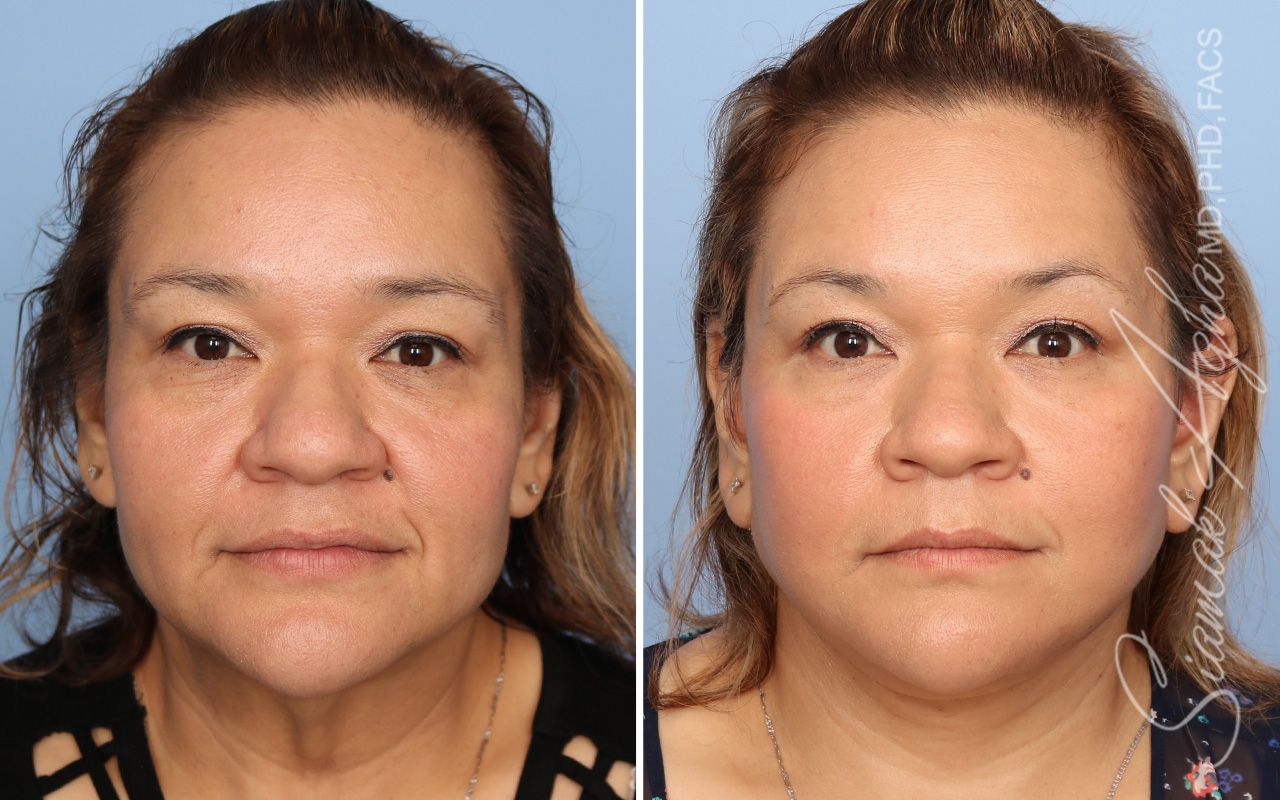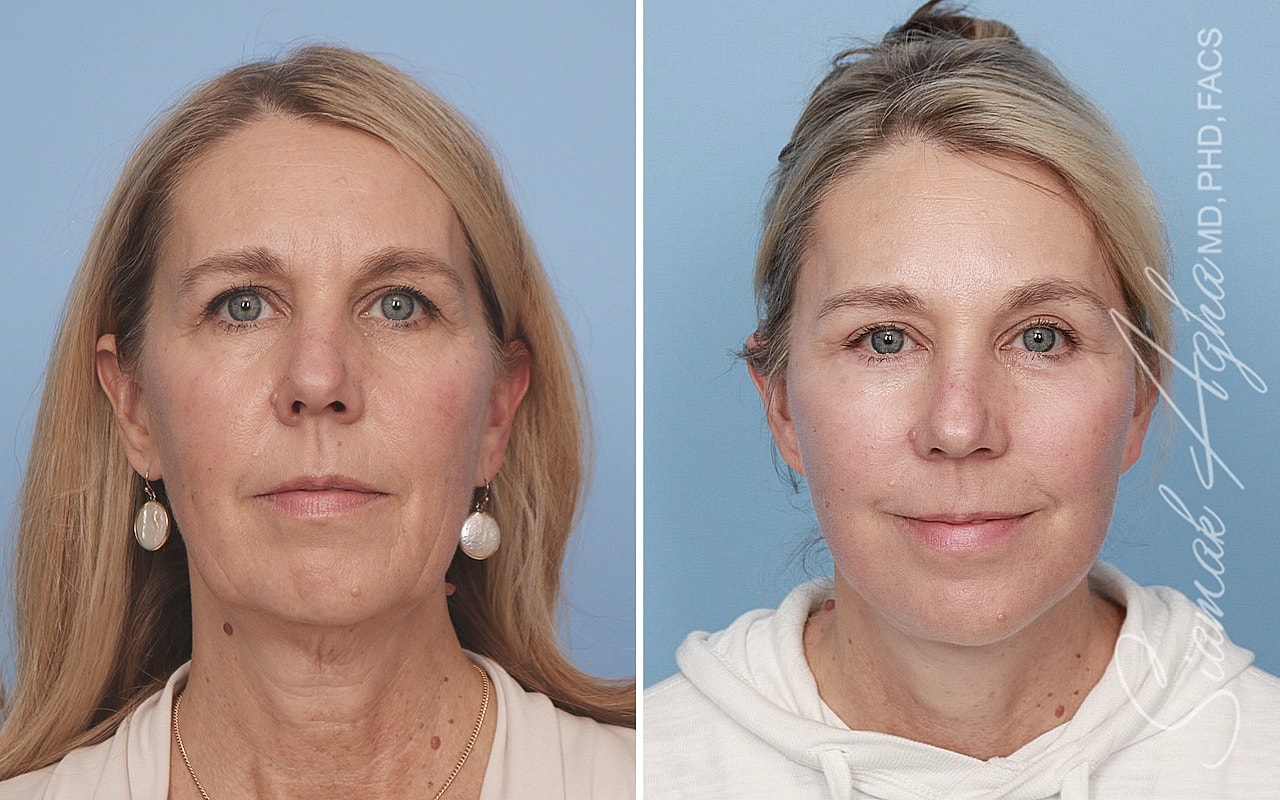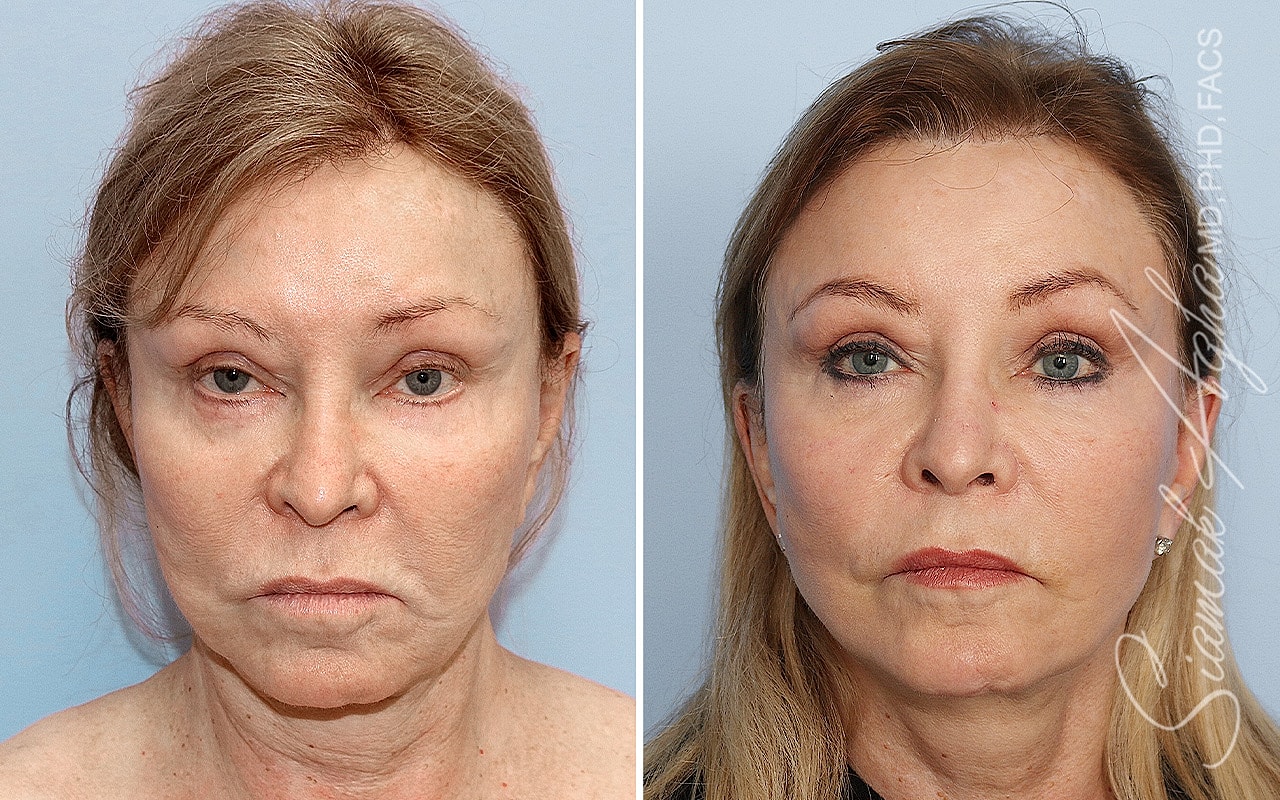


The deep plane facelift has become one of the most sought-after facelift techniques among patients and surgeons alike. Unlike conventional facelift methods that simply pull the skin tight and leave behind that telltale operated look, the deep plane facelift works at a fundamentally different level. It releases and repositions the deeper structural layers of the face to achieve results that are genuinely natural and built to last.
What many patients don't know is that this technique is not new. The deep plane facelift was originally called the composite facelift and was pioneered over 30 years ago by renowned plastic surgeon Dr. Sam T. Hamra.
Its growing popularity today reflects what surgeons and patients have come to understand: addressing the deeper structural anatomy of the face produces results that look effortlessly younger, not surgically altered.
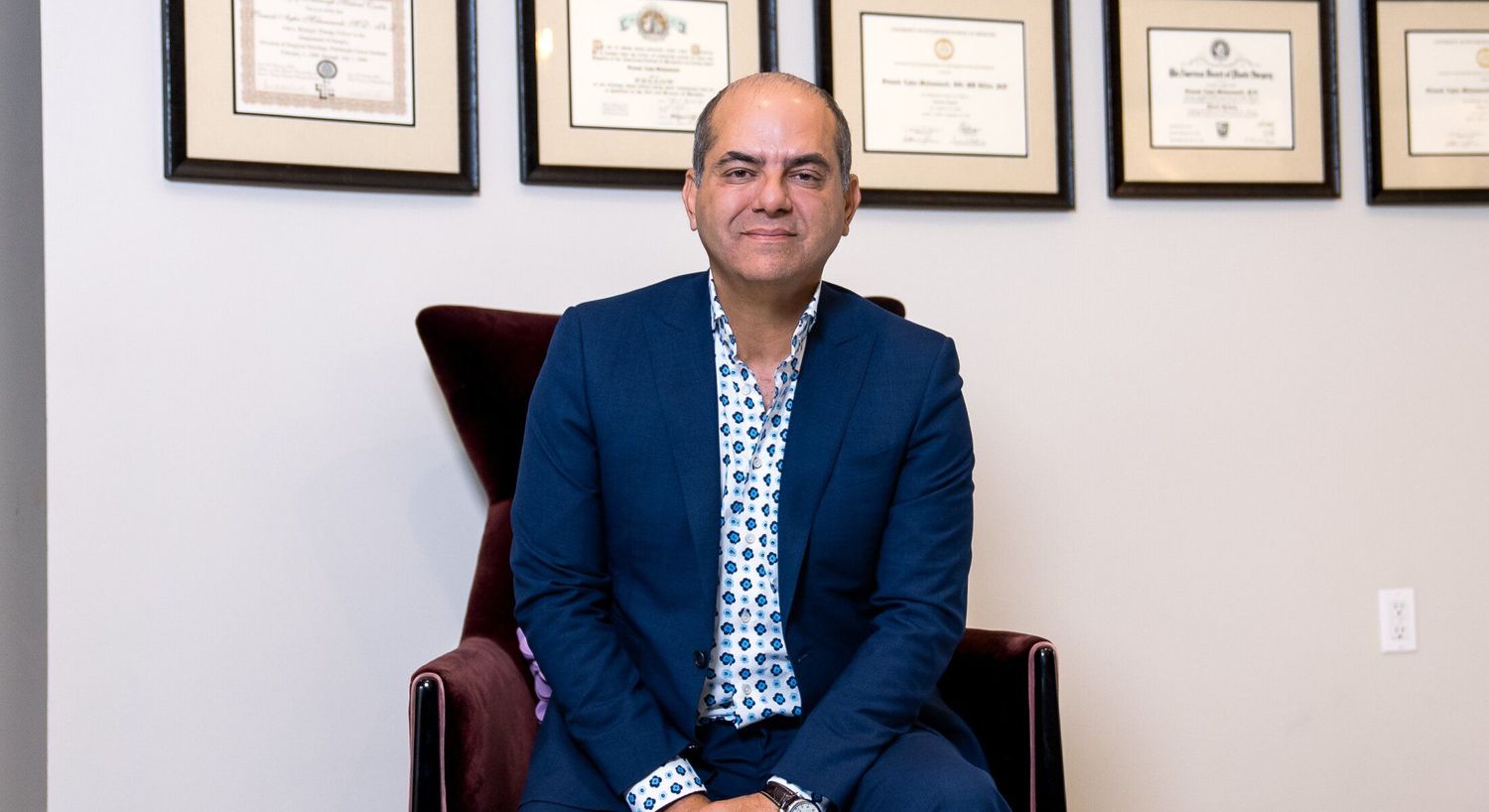
At The One Plastic Surgery Center in Newport Beach, Dr. Siamak Agha performs the deep plane facelift with the precision and artistry that this technically demanding procedure requires. Schedule a consultation with Dr. Agha to find out whether a deep plane facelift is the right choice for you.

1 of 28
The deep plane facelift demands a level of surgical skill and anatomical knowledge that most facelift surgeons simply do not have. Dr. Agha is one of the few surgeons in the region who trained directly under Dr. Bryan Mendelson, a globally recognized pioneer of the deep plane facelift and one of the foremost authorities on facial anatomy in the world. That training gives Dr. Agha a first-hand mastery of the technique that is difficult to acquire any other way.
His academic foundation is equally strong. Dr. Agha completed his MD and PhD at the University of Cambridge on a Wellcome Trust scholarship and his seven-year residency at the University of Pittsburgh Medical Center, one of the most respected plastic surgery programs in the country. He approaches every deep plane facelift with a three-dimensional philosophy: not tightening the face, but restoring its structure. The result is a face that looks genuinely younger, not operated on.
Beyond his training, Dr. Agha is recognized by his peers as an educator in advanced facelift techniques, having served as faculty at multiple annual meetings of the American Society of Aesthetic Plastic Surgeons. That kind of peer recognition speaks to a level of expertise that goes well beyond standard board certification. Schedule your deep plane facelift consultation at The One Plastic Surgery Center in Newport Beach to learn what this procedure can do for your face.


The deep plane facelift is an advanced facelift technique that goes beyond surface-level skin tightening to address the foundational structures of facial aging. It elevates the SMAS (superficial musculoaponeurotic system), which is the connective tissue and muscle layer lying beneath the facial skin, along with the deeper facial muscle layer beneath it. Crucially, it also releases the retaining ligaments that anchor these tissues to the bone. These ligaments are what prevent the deeper tissues from being lifted with traditional facelift techniques alone.
Because the skin, muscle, and fat layers are all lifted together as a single composite unit rather than in separate layers under tension, the deep plane facelift produces a natural, tension-free repositioning of the face that conventional facelift surgery simply cannot replicate. This complete ligament release and deeper tissue elevation also translates directly into longer-lasting results.
The deep plane facelift is particularly effective at restoring the natural contours and proportions of the aging face. Results look harmonious with each patient's unique facial structure rather than generically tighter. It is a technically demanding procedure that requires a higher level of surgical skill and anatomical knowledge than a standard SMAS facelift. Dr. Agha trained directly under Dr. Bryan Mendelson, one of the globally recognized pioneers of the deep plane facelift, and brings that specialized expertise to every procedure he performs.



The key distinction between a deep plane facelift and a traditional SMAS facelift comes down to which part
of the face is actually being corrected. The face can be divided into two zones: a mobile front segment and a more fixed lateral segment. The deep plane facelift specifically targets the mobile facial structures, lifting and repositioning the muscles and fat that lie deep to the facial skin. This is what gives the procedure its ability to produce longer-lasting, more natural-looking results than surface-level tightening alone.
Two defining movements set the deep plane facelift apart from all other facelift techniques. First, it elevates the midface, specifically the cheek, providing lift and structural balance that a traditional SMAS facelift cannot achieve. In a standard procedure, the ligaments that prevent midface movement are never released, so the cheeks remain unaddressed. Second, by lifting the cheeks upward and backward, the deep plane technique restores volume beneath the eyes, preventing the hollowed appearance that other facelift methods can produce.
Deep plane facelift surgeons require a detailed and precise understanding of facial anatomy that goes well beyond what a standard facelift demands. Their approach addresses the deeper structural layers of the face to restore a genuinely youthful appearance without the pulled, windswept look that more superficial techniques can produce. The specialized skill required to manage these complex facial structures safely and effectively is what distinguishes an experienced deep plane facelift surgeon from the rest.
Modern facelift surgery took shape in the early 20th century as surgeons began developing techniques to restore youthfulness to the face and neck. As the field evolved, it became clear that tightening the skin alone was not enough. Natural-looking rejuvenation required repositioning the underlying tissues as well. This understanding led to increasingly sophisticated techniques that culminated in the composite facelift, known today as the deep plane facelift, developed by renowned plastic surgeon Dr. Sam T. Hamra in 1990. His technique revolutionized facial rejuvenation surgery by addressing multiple dimensions of facial aging rather than focusing on the skin surface alone. It remains one of the most advanced and widely respected facelift techniques performed today.
Benefits of a Deep Plane Facelift
Patients who choose a deep plane facelift over a traditional facelift do so because the results are simply better: more natural, more comprehensive, and longer-lasting. The specific advantages include:
The deep plane facelift begins in the same way as other facelift procedures, with incisions placed in front of and behind the ear. From there, the technique diverges significantly.
The facial skin is partially elevated off the SMAS layer up to a line running from the outer corner of the eye to the angle of the jaw. At this point, the SMAS layer is incised and the dissection continues beneath the superficial facial muscles responsible for facial expression and movement. Working at this deeper plane, the retaining ligaments that anchor the SMAS to the underlying bone are released. This is the defining step of the procedure. Once these ligaments are freed, the surgeon gains the ability to lift and reposition the mobile face to a higher, more youthful position without any tension on the overlying skin.
The deeper muscle layer is then suspended and secured with sutures to the tissue surrounding the ear. Once the deeper structures have been repositioned, excess skin is trimmed and the incisions are closed. The result is a face that has been structurally restored, not just tightened.
The cost of a deep plane facelift varies depending on several factors, including the complexity of the procedure, the surgeon's level of expertise and training, and the geographic location of the practice. Because every deep plane facelift is customized to the individual patient's anatomy and goals, pricing reflects the highly personalized nature of the surgery.
The total cost typically includes the surgeon's fee, anesthesia, surgical facility costs, and post-operative care. A personalized cost estimate is provided following your consultation with Dr. Agha, once the appropriate technique and scope of your procedure have been determined.

The deep plane facelift typically requires a longer recovery period than other facelift techniques, reflecting the more comprehensive work being done at a deeper level. Most patients find recovery very manageable with the right preparation and aftercare.
In the first days after surgery, significant swelling and bruising across the entire face is normal and expected. A light compression dressing is typically worn for the first week, and drains placed during surgery are removed the day following the procedure.
During early recovery, it is important to limit jaw movement. When turning your head, rotate your whole body rather than twisting the neck alone. Sleep in a slightly elevated position using two to three pillows and apply cold compresses to help manage swelling and discomfort. Take prescribed pain medications as directed to stay comfortable.
Most patients return to work and feel comfortable being seen in public after two weeks. Light exercise can typically resume after three weeks, and full activity including strenuous exercise is generally permitted after six weeks.
If you are looking for a facelift that delivers genuinely natural-looking and long-lasting results without the pulled, overdone look that older techniques can produce, the deep plane facelift is an excellent choice. Its tension-free approach restores the deeper structural anatomy of the face, giving you an effortlessly youthful appearance that can last well over a decade.
Schedule your consultation with Dr. Agha today to find out whether a deep plane facelift in Newport Beach is right for you.

Please follow us @drsiamakagha to learn what makes Dr. Agha unique and special, learn from his educational podcasts and consults, and view precision surgery after surgery.