
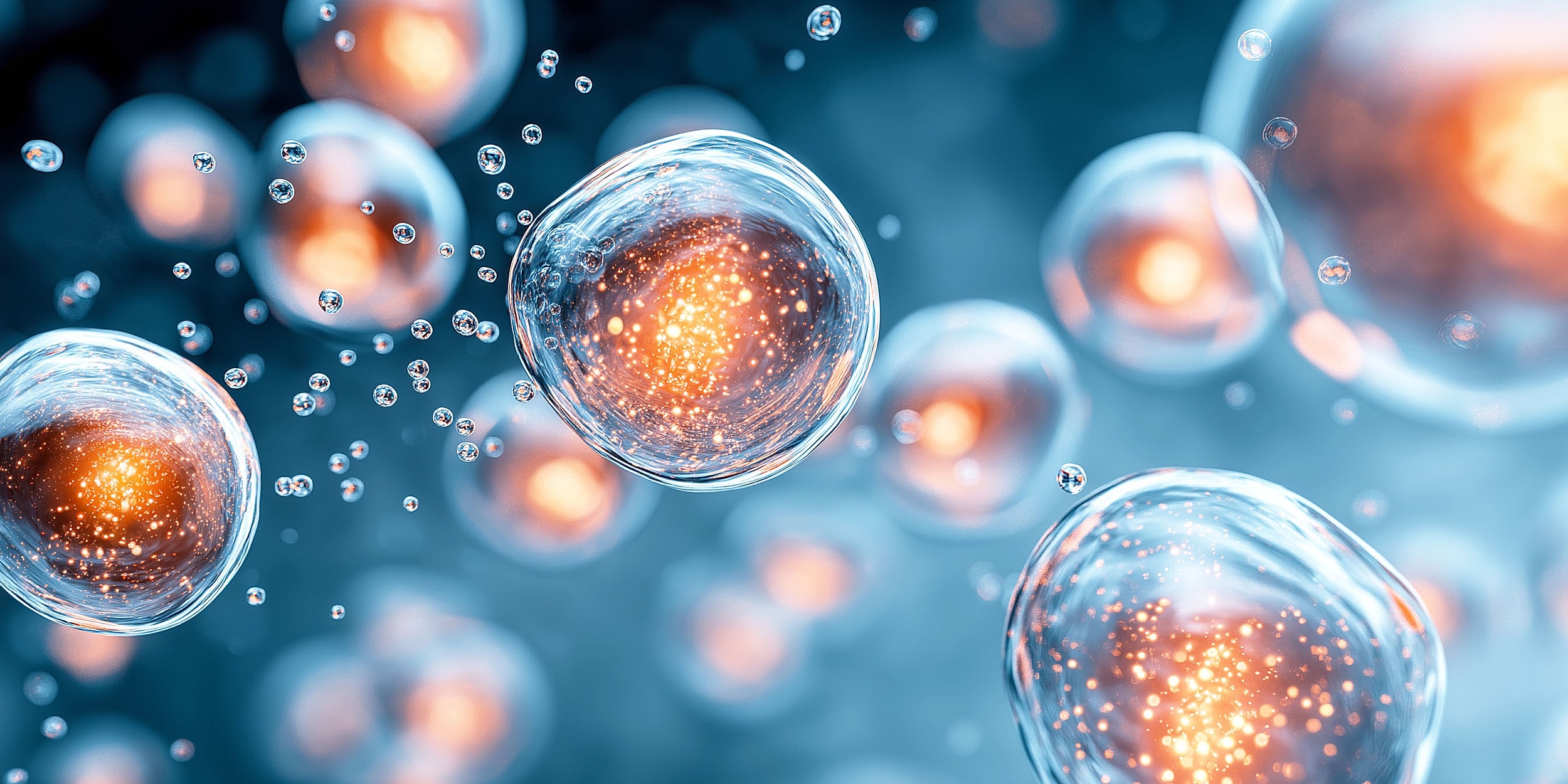
Hyperbaric Oxygen Therapy works by changing the physical environment in which oxygen is delivered. Instead of simply breathing more oxygen at normal atmospheric pressure, a patient breathes concentrated oxygen while the chamber pressure is increased. Higher pressure raises the partial pressure of oxygen and allows significantly more oxygen to dissolve into plasma and other body fluids.
That increased dissolved oxygen can reach tissues through pathways that are not limited by hemoglobin alone. The result is a temporary state of hyperoxia that can influence tissue oxygen gradients, inflammation, cell signaling, collagen formation, angiogenesis, and oxygen-dependent immune activity.

Under normal conditions, most oxygen in blood is carried by hemoglobin inside red blood cells. Hemoglobin is highly effective, but once it is close to fully saturated, simply breathing more oxygen produces only a limited increase in hemoglobin-bound oxygen. Hyperbaric pressure changes that equation by increasing the amount of oxygen physically dissolved in plasma.
This is an application of Henry’s law: as the partial pressure of a gas increases, more of that gas can dissolve into a liquid. In practical terms, Hyperbaric Oxygen Therapy increases the amount of oxygen that can move through plasma toward tissues.

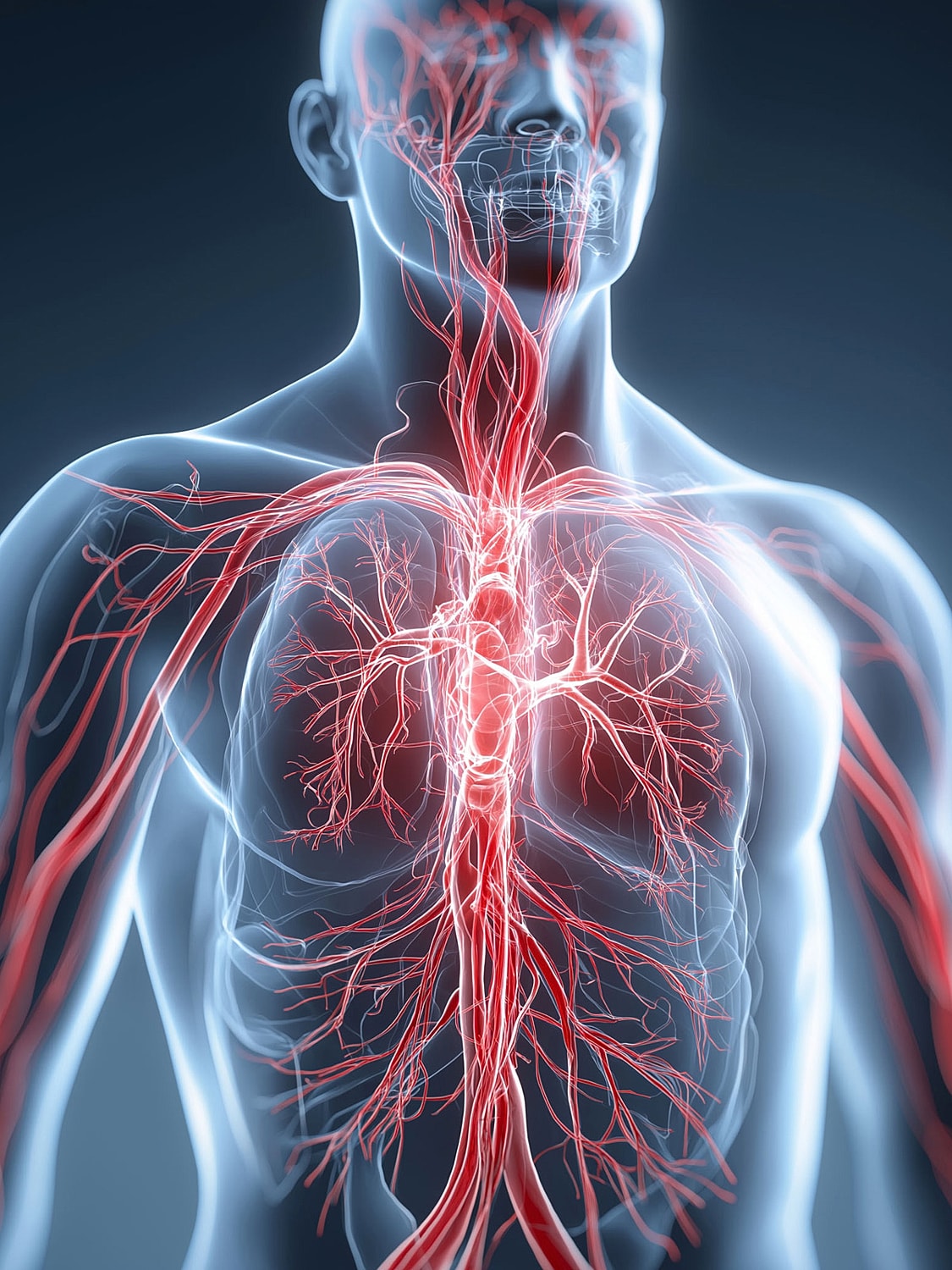
After injury or surgery, swelling and microvascular disruption can make local oxygen delivery less efficient. Because dissolved oxygen is carried in plasma, increasing plasma oxygen content can help maintain a stronger diffusion gradient from blood toward oxygen-stressed tissue. This does not repair a blocked artery or replace adequate blood flow, but it can temporarily increase oxygen availability while the body is healing.

Your cells need oxygen to make ATP, the energy they use to function and repair themselves. After surgery or injury, healing tissues need even more energy because the body is rebuilding damaged areas, producing collagen, creating new cells, and coordinating the healing response.
When oxygen delivery is limited by swelling or changes in blood flow, those repair processes can slow down. Hyperbaric Oxygen Therapy increases the amount of oxygen available to the tissues, giving healing cells more of what they need to carry out their work.
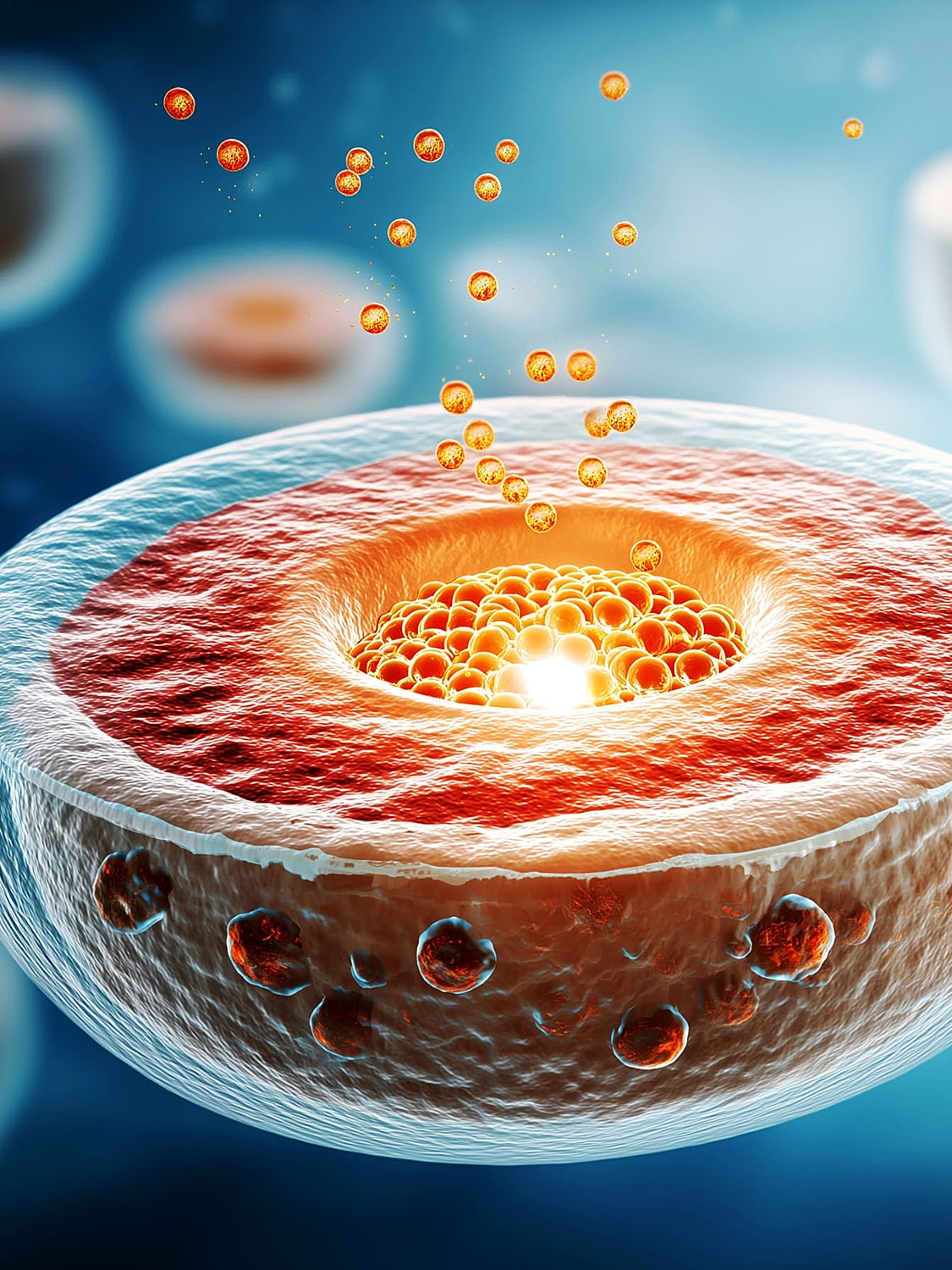
Fibroblasts are specialized cells that act like the body’s repair crew. When tissue is injured, they move into the healing area and produce collagen, the protein that helps give healing skin and connective tissue strength and structure.
Fibroblasts need adequate oxygen to do this work effectively. Oxygen is involved in several steps that allow newly produced collagen fibers to form strong connections with one another. As healing progresses, this collagen framework is reorganized and strengthened, helping the wound become more durable over time.
This is one reason oxygen delivery matters after surgery. Hyperbaric Oxygen Therapy increases the amount of oxygen available to healing tissues, which can help support fibroblast activity, collagen production, and the normal rebuilding and strengthening of injured tissue.

Angiogenesis is the formation of new blood vessels. Repeated Hyperbaric Oxygen Therapy exposures can influence growth-factor signaling involved in vascular development and tissue repair. Importantly, the biological response is not simply “more oxygen all the time.” Intermittent exposure appears to matter.
Neutrophils are a type of white blood cell that acts as one of the body’s first defenses against infection. They use oxygen to create reactive molecules that help destroy bacteria and other harmful microorganisms.
Hyperbaric Oxygen Therapy increases the amount of oxygen available to tissues, which can help support this oxygen-dependent immune activity. Higher oxygen levels can also make the environment less favorable for certain anaerobic bacteria, meaning bacteria that grow best where little or no oxygen is present.
These effects are part of the reason Hyperbaric Oxygen Therapy can support the body’s natural defenses during healing and recovery.
Hyperbaric Oxygen Therapy is a dose, not a binary on/off treatment. Pressure, oxygen concentration, session length, treatment frequency, and total number of exposures all change the biological stimulus. A study using 60 sessions at a defined protocol cannot be translated into a promise that a few sessions will produce the same cellular effect.
At The One Plastic Surgery, the chamber can reach up to 2.0 ATA. Most surgical patients are encouraged to consider 90-minute sessions when recommended, but the protocol is individualized to the treatment goal.
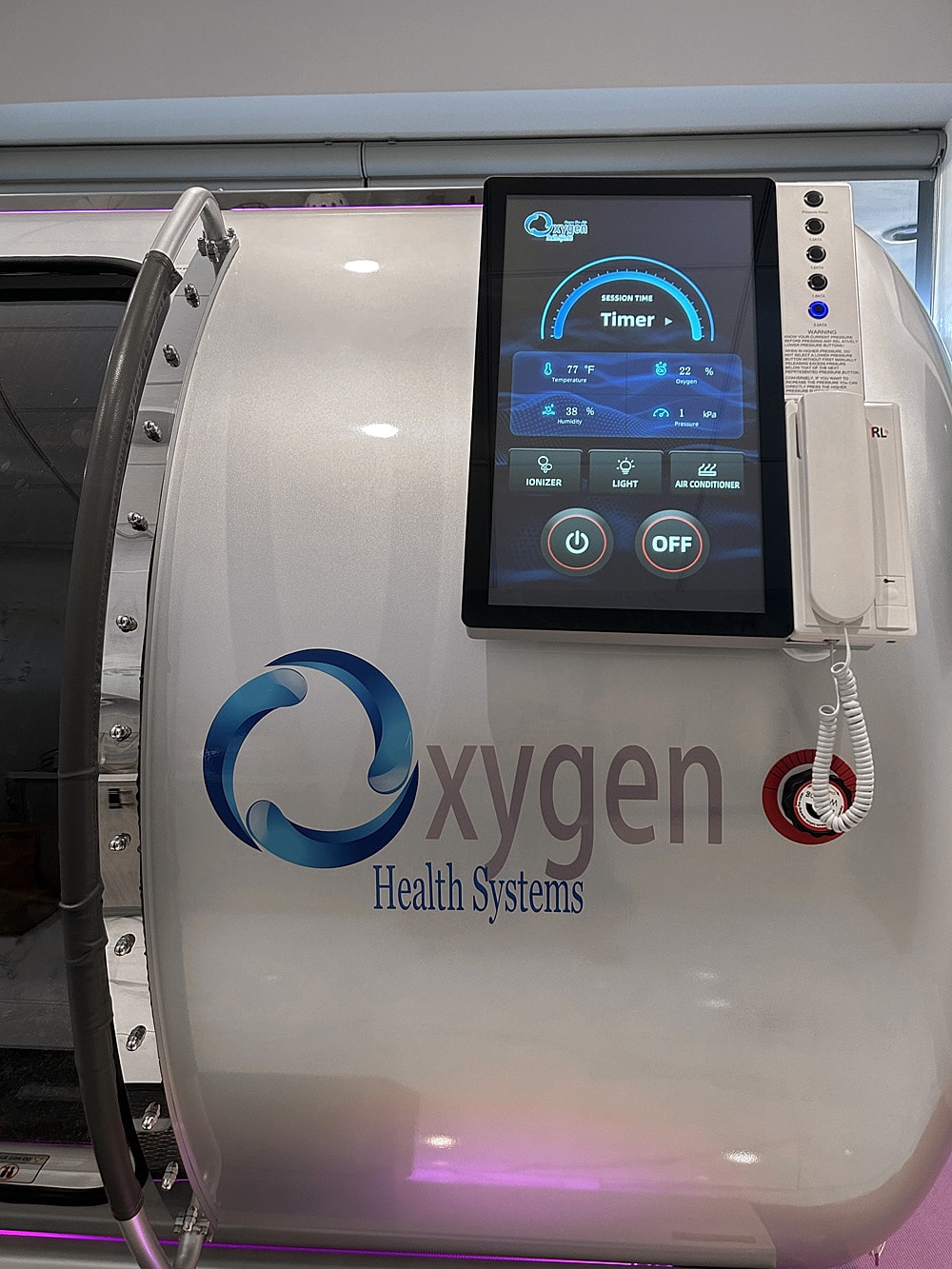
Pressure raises the partial pressure of oxygen and allows more oxygen to dissolve into plasma and other fluids. Breathing oxygen without increased pressure does not create the same dissolved-oxygen dose.
ATA stands for atmospheres absolute. It describes total pressure relative to a vacuum. Sea level is approximately 1.0 ATA; a chamber at 2.0 ATA is at approximately twice sea-level atmospheric pressure.
No. Its physiology is more nuanced. Hyperoxia can cause vasoconstriction while still increasing tissue oxygen delivery because the blood carries much more dissolved oxygen.
Hyperbaric pressure substantially increases oxygen dissolved in plasma, so oxygen transport is not limited to hemoglobin alone. Severe anemia is one recognized hyperbaric indication in selected circumstances, although anemia itself requires appropriate medical evaluation and treatment.

Sources and further reading:
Hyperbaric Oxygen Therapy Overview
Hyperbaric Oxygen Therapy and Plastic Surgery
What to Expect of Your Hyperbaric Oxygen Therapy Treatment
Hyperbaric Oxygen Therapy for Longevity and Anti-Aging
Hyperbaric Oxygen Therapy for Wellness & Recovery
Camporesi & Bosco — Mechanisms of Action of Hyperbaric Oxygen Therapy — Foundational review of pressure, oxygen and biological mechanisms.
Hadanny & Efrati — The Hyperoxic-Hypoxic Paradox — Review of intermittent hyperoxia and hypoxia-related signaling pathways.
Undersea and Hyperbaric Medical Society — HBO Indications — Clinical indication framework and professional background.
Please follow us @drsiamakagha to learn what makes Dr. Agha unique and special, learn from his educational podcasts and consults, and view precision surgery after surgery.