
For most patients, the unfamiliar part of Hyperbaric Oxygen Therapy is not breathing oxygen; it is experiencing a controlled change in atmospheric pressure. The sensation is often compared with changes in cabin pressure during airplane travel, particularly as the chamber gradually pressurizes and the ears adjust.
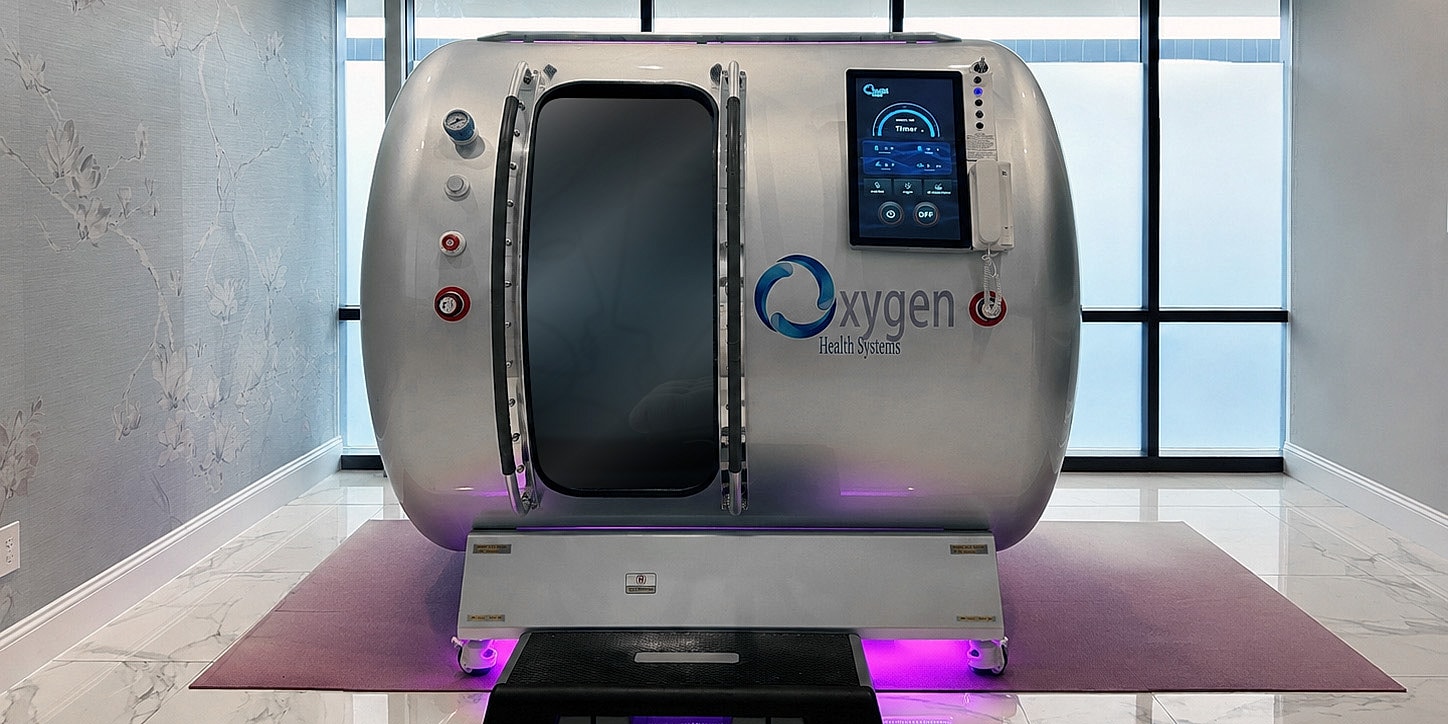
At The One Plastic Surgery, treatment takes place in a medical-grade hyperbaric chamber that can reach up to 2.0 ATA and accommodate up to two people. Sessions are designed to be comfortable and closely supervised, with treatment timing and pressure selected according to the patient’s goals, health history, and clinical recommendation.
A typical session is straightforward. You enter the chamber, get comfortable, and the pressure is increased gradually. During this phase, you may notice fullness or popping in the ears as they adjust to the changing pressure. Once the prescribed pressure is reached, there is usually very little to do other than relax while the treatment continues.
Hyperbaric Oxygen Therapy sessions at The One Plastic Surgery generally last 60 to 90 minutes, depending on the treatment plan. Surgical patients are often encouraged to consider the longer end of that range when recommended by Dr. Agha, Chelsea Zisek, PA-C, or the clinical team.

Before treatment, the clinical team reviews your health history and any factors that could affect your ability to safely tolerate pressure changes. Patients should tell the team about ear or sinus problems, congestion, recent respiratory illness, lung disease, a history of pneumothorax, recent ear or chest surgery, severe claustrophobia, seizure history, neurological conditions, diabetes, implanted medical devices, medication changes, or any new medical concern.
Preparation and safety rules can vary by device. Before treatment, patients should follow the chamber-specific directions provided by The One Plastic Surgery, including instructions about personal items and anything that should remain outside the chamber. The FDA specifically advises facilities to follow the manufacturer’s instructions for use and prohibited items.

As chamber pressure increases, the air pressure outside the eardrum changes faster than the pressure in the middle ear. The sensation can feel similar to an airplane descending. Most people equalize the pressure by opening the Eustachian tubes, but some patients do this more easily than others.
Our team may recommend chewing gum, swallowing, yawning, or other equalization techniques during pressurization. If you already know that your ears are sensitive, you have trouble “popping” your ears on airplanes, you have experienced ear pain with diving or altitude changes, or you have a history of ear barotrauma or recent ear surgery, tell the clinical team before treatment.
Middle-ear barotrauma is one of the most common pressure-related adverse effects of Hyperbaric Oxygen Therapy, and studies have linked difficulty equalizing with greater risk.
IMPORTANT: If you feel significant ear pain, pressure, dizziness, or other meaningful discomfort while the chamber is pressurizing, alert our staff immediately. Pressurization can be slowed or paused while the team helps you equalize and determines whether it is appropriate to continue.

Patients with sensitive ears or a history of difficulty equalizing pressure should let our team know before treatment. The treatment pressure itself is selected according to the clinical plan, but the chamber can often be pressurized more slowly or temporarily paused if you are having trouble adjusting.
Our team can also guide you through simple techniques such as swallowing, yawning, or chewing gum to help relieve ear pressure. If you experience significant ear pain or discomfort while the chamber is pressurizing, tell our staff immediately so they can determine the safest way to proceed.
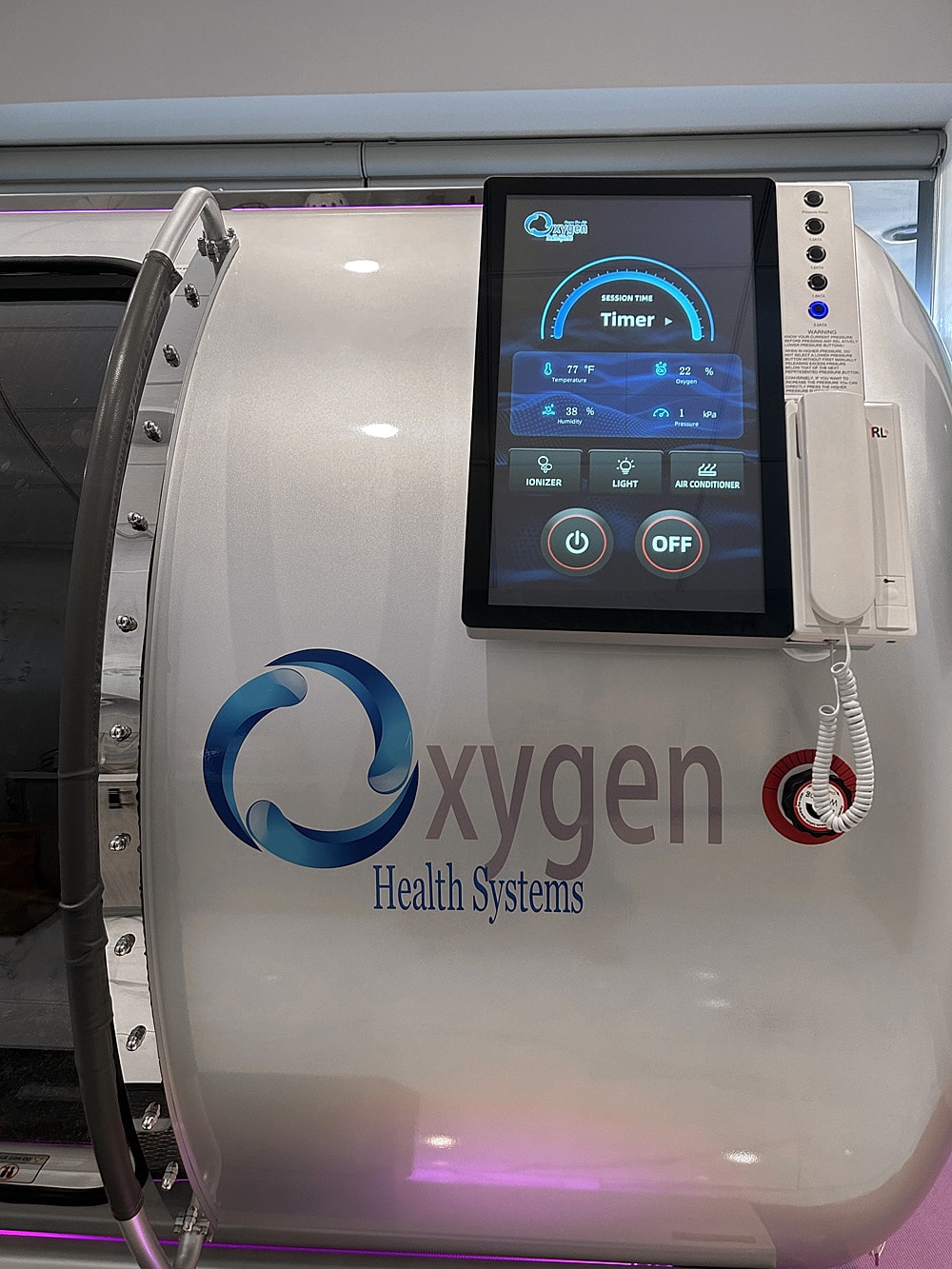
Once the chamber reaches treatment pressure and your ears have equalized, the pressure sensation usually becomes much less noticeable. The chamber is designed to provide a comfortable environment, and patients can relax during the treatment. Available seating and entertainment options can be reviewed with the team when the session is scheduled.
The chamber pressure gradually returns toward normal. Hyperbaric Oxygen Therapy is noninvasive and generally does not require a separate recovery period. Some patients may notice temporary fatigue, lightheadedness, or ear-pressure sensations after a session. If symptoms are significant, unusual, or persistent, they should be reported to the clinical team.

An untreated pneumothorax, or collapsed lung with trapped air, is considered an absolute contraindication because pressure changes can make the condition dangerous. Patients with a history of pneumothorax or significant lung disease require clinical review before treatment.
Sensitive ears do not automatically disqualify someone from Hyperbaric Oxygen Therapy, but they do deserve extra attention. Patients should disclose recurrent ear pain, chronic Eustachian-tube problems, difficulty equalizing, sinus blockage, recent ear surgery, or a current cold or upper-respiratory infection before the session.
Hyperbaric Oxygen Therapy is generally well tolerated when patients are appropriately screened and treatment is performed with trained supervision, but it is not risk-free. Potential complications include ear or sinus barotrauma, pulmonary barotrauma, temporary vision changes after repeated exposures, claustrophobia, dizziness or fatigue, and rare oxygen-toxicity seizures. Oxygen-rich environments also require strict fire-safety procedures.
The FDA’s 2025 safety communication emphasizes manufacturer instructions, proper staff training, patient monitoring and supervision, equipment maintenance, safety checks, and fire prevention.

The treatment itself is noninvasive. The most common discomfort is pressure in the ears during pressurization. Patients should never try to “push through” meaningful ear pain; tell the staff immediately.
Tell the staff as soon as you notice difficulty. The pressurization can be slowed or paused, and the team can coach equalization techniques and determine whether the session should continue.
Yes. The practice may recommend chewing gum, swallowing, yawning, or similar techniques to help open the Eustachian tubes and equalize pressure during compression.
Only items permitted under the chamber-specific safety rules should be brought inside. Follow the instructions provided by the staff rather than assuming an item is safe because another hyperbaric facility allows it.
Congestion can make pressure equalization more difficult. Let the clinical team know before the session so they can decide whether treatment should proceed or be postponed.
Sources and further reading:
Hyperbaric Oxygen Therapy Overview
Hyperbaric Oxygen Therapy and Plastic Surgery
How Hyperbaric Oxygen Therapy Works
Hyperbaric Oxygen Therapy for Longevity and Anti-Aging
Hyperbaric Oxygen Therapy for Wellness & Recovery
FDA — Safe Use of Hyperbaric Oxygen Therapy Devices — Official 2025 safety recommendations.
Heyboer et al. — Middle Ear Barotrauma in Hyperbaric Oxygen Therapy — Study of incidence and compression-rate effects.
Varughese et al. — Compression Rate and Middle Ear Barotrauma — Research on chamber compression rate and symptomatic Eustachian-tube dysfunction.
Please follow us @drsiamakagha to learn what makes Dr. Agha unique and special, learn from his educational podcasts and consults, and view precision surgery after surgery.