
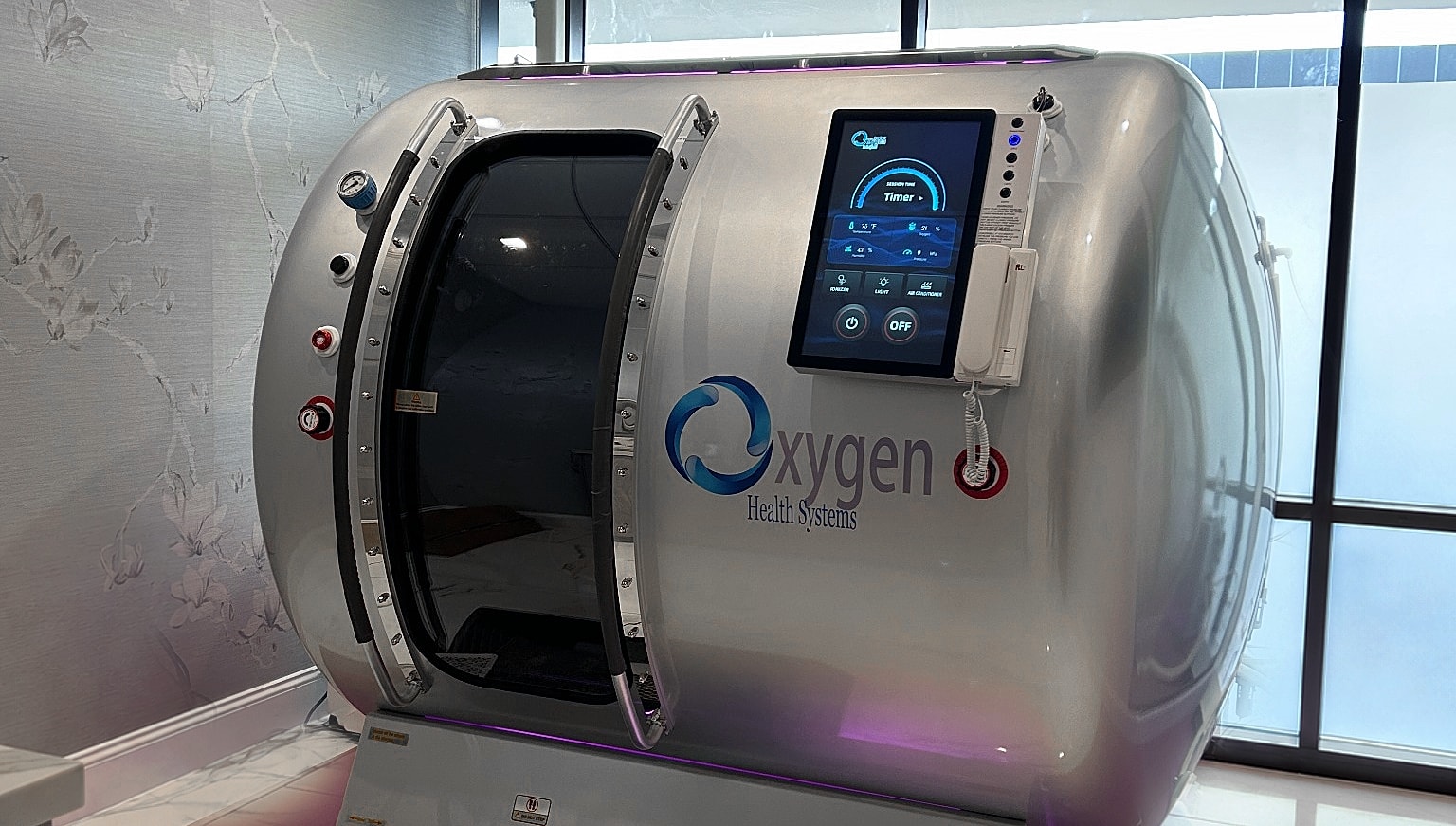
Healing tissues need oxygen. Hyperbaric oxygen therapy (HBOT) increases the amount of oxygen available to the body by combining high-concentration oxygen with increased atmospheric pressure. At The One Plastic Surgery Center in Newport Beach, our hyperbaric chamber is capable of reaching 2.0 atmospheres absolute (ATA), allowing HBOT to be incorporated into individualized recovery and wellness plans when medically appropriate.
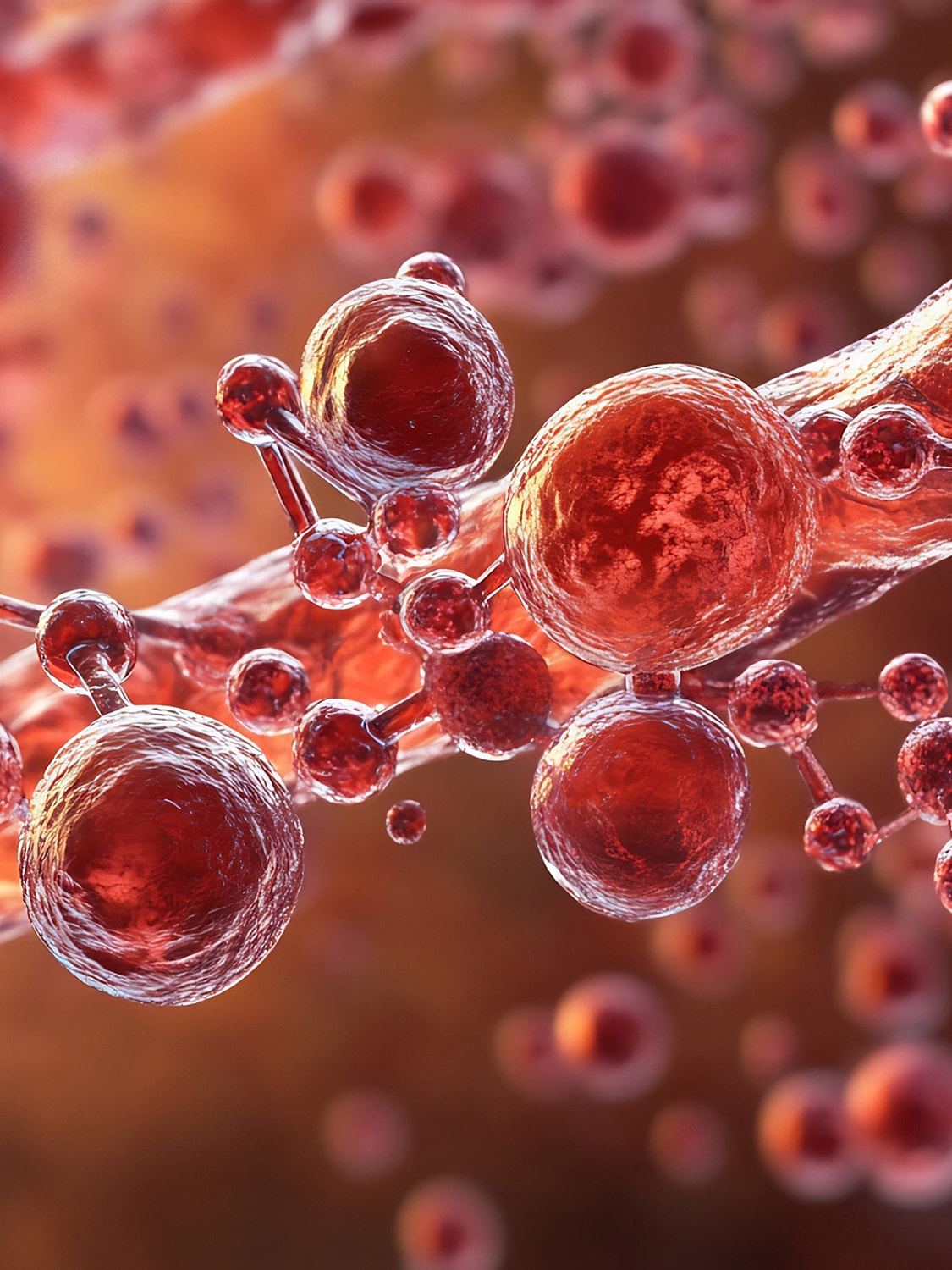
HBOT is not simply “breathing extra oxygen.” Pressure changes how oxygen is transported. Under hyperbaric conditions, substantially more oxygen dissolves into plasma, the liquid portion of blood, increasing the amount that can reach tissues. The Undersea and Hyperbaric Medical Society (UHMS) recognizes HBOT as an established treatment for a defined group of medical conditions, while researchers are also studying broader applications in surgery, recovery, aesthetics, and healthy aging.

After tissue is injured, the body must build new cells, organize collagen, create new microvessels, manage inflammation, and defend the healing area against infection. All of those processes are influenced by oxygen availability. Research in wound physiology has long described oxygen as an important substrate for fibroblast activity, collagen formation, angiogenesis, and oxygen-dependent immune defenses.
Hyperbaric therapy temporarily raises tissue oxygen levels beyond what can be achieved by breathing oxygen at normal atmospheric pressure. In damaged or swollen tissues where microcirculation may be less efficient, that increased oxygen gradient is one reason HBOT has become an important adjunct in wound care and a growing area of interest in surgical recovery.
For Medicare coverage purposes, the Centers for Medicare & Medicaid Services (CMS) maintains a specific list of covered HBOT indications and requirements. Elective postoperative or wellness treatment is different from insurance-covered HBOT and should be evaluated separately.

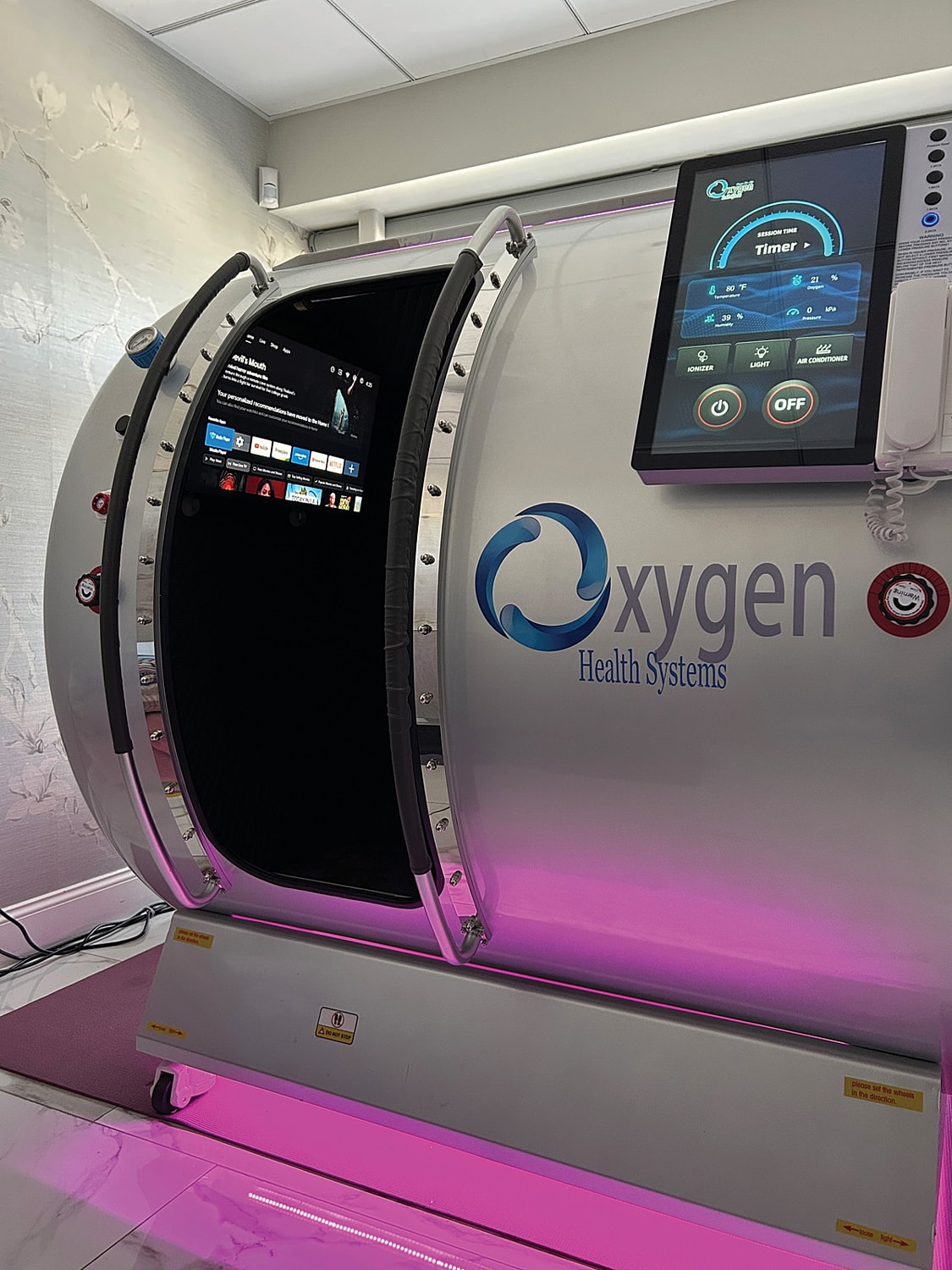
At The One Plastic Surgery, our medical-grade hyperbaric chamber can reach 2.0 ATA, allowing patients to receive Hyperbaric Oxygen Therapy at a pressure used in clinical hyperbaric medicine.
The benefit of Hyperbaric Oxygen Therapy does not come from simply using the highest possible pressure. Treatment pressure is selected according to the purpose of therapy, the patient’s health, and the clinical protocol. At 2.0 ATA, increased atmospheric pressure allows substantially more oxygen to dissolve into the blood plasma and become available to tissues throughout the body.
Our chamber also accommodates up to two people and is designed to provide a comfortable environment for treatments that commonly last about 60 or 90 minutes for surgical patients when recommended by the clinical team.
For a closer look at our chamber and why treatment pressure matters, visit [2.0 ATA Hyperbaric Oxygen Therapy in Newport Beach].
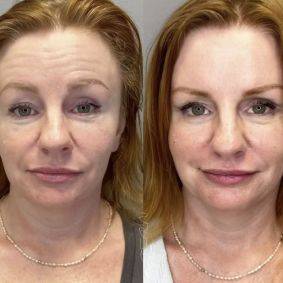
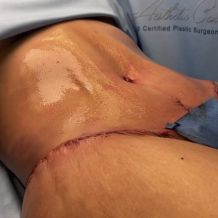
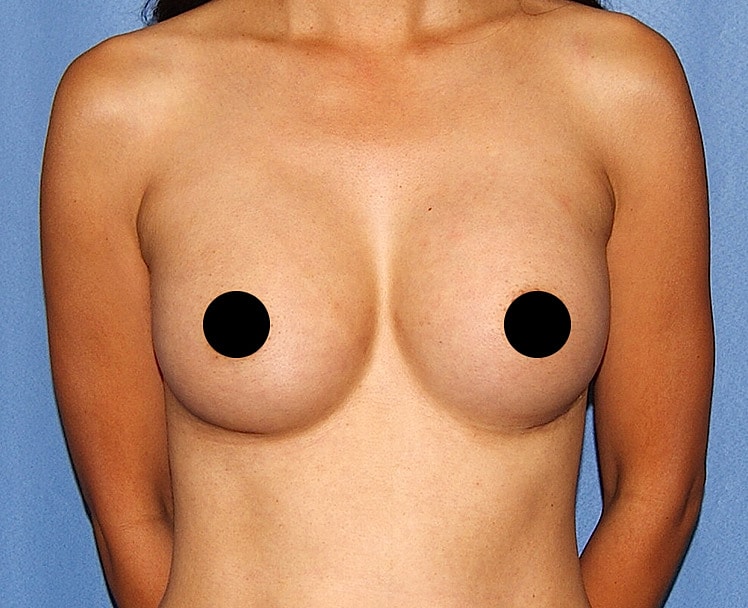
Plastic surgery creates a temporary period of high metabolic demand in tissues. Incisions, swelling, tissue elevation, liposuction, and reconstructive maneuvers can all affect local circulation. HBOT is therefore being studied as an adjunct to aesthetic surgery, especially where surgeons want to optimize tissue oxygenation or where tissue viability is a concern.
A 2023 facelift study and a 2024 aesthetic plastic-surgery cohort reported favorable postoperative observations in patients receiving HBOT. A 2025 review of HBOT in aesthetic medicine concluded that HBOT may have value as an adjunct in aesthetic surgery and rejuvenation while also emphasizing that the evidence base is still developing.

Interest in Hyperbaric Oxygen Therapy is expanding beyond wound healing and surgical recovery into longevity, anti-aging, healthy aging, and biohacking. Researchers are investigating whether repeated exposure to increased oxygen under pressure can influence measurable processes associated with biological aging.
In one human study, an intensive 60-session Hyperbaric Oxygen Therapy protocol was associated with increased telomere length in several immune-cell populations and reductions in senescent T cells, two markers closely associated with cellular aging. Another human study reported measurable changes in skin-aging parameters, including vascular and structural characteristics.
These findings do not mean that Hyperbaric Oxygen Therapy stops aging. They do, however, help explain why it is attracting growing interest within longevity and anti-aging medicine, particularly as researchers continue to study biological age, cellular senescence, tissue regeneration, and other mechanisms associated with aging.
Explore the research and potential applications in [Hyperbaric Oxygen Therapy for Longevity and Anti-Aging].
Read the telomere and senescent-cell study and the human skin-aging study.
You enter the hyperbaric chamber and the pressure gradually increases. The most noticeable sensation is usually fullness or popping in the ears, similar to an airplane changing altitude. Once treatment pressure is reached, you simply breathe and relax. Hyperbaric Oxygen Therapy sessions typically last 60 or 90 minutes, depending on your treatment plan.
Because oxygen-rich environments require strict fire-safety controls, preparation matters. The FDA’s 2025 HBOT safety communication emphasizes manufacturer instructions, patient monitoring, staff training, equipment maintenance, appropriate clothing, and restrictions on potentially hazardous items inside HBOT devices.
Learn more about preparation, safety, ear pressure, and the treatment experience in [What to Expect During Hyperbaric Oxygen Therapy].

ATA means atmospheres absolute. At 2.0 ATA, the chamber pressure is approximately twice the atmospheric pressure at sea level. Pressure is what allows more oxygen to dissolve into plasma and reach tissues at concentrations that cannot be achieved by breathing oxygen at normal pressure alone.
No. HBOT is an adjunct. It does not replace surgical follow-up, wound care, prescribed medications, nutrition, compression, activity restrictions, or other components of a recovery plan.
There is no universal number. The protocol depends on why HBOT is being used. A short postoperative course and a medical course for radiation injury or a difficult wound can be very different.
Yes. In addition to established medical applications, Hyperbaric Oxygen Therapy is increasingly used as part of wellness, recovery, performance, and longevity-focused programs. At The One Plastic Surgery, treatment plans are individualized according to the patient’s goals, health history, and clinical recommendation.
Sources and further reading:
Hyperbaric Oxygen Therapy and Plastic Surgery
How Hyperbaric Oxygen Therapy Works
What to Expect of Your Hyperbaric Oxygen Therapy Treatment
Hyperbaric Oxygen Therapy for Longevity and Anti-Aging
Hyperbaric Oxygen Therapy for Wellness & Recovery
Undersea and Hyperbaric Medical Society — HBO Indications — Professional overview of recognized Hyperbaric Oxygen Therapy indications.
FDA — Safe Use of Hyperbaric Oxygen Therapy Devices — 2025 recommendations on device instructions, monitoring, training and fire safety.
Medicare — Hyperbaric Oxygen Therapy Coverage — Official Medicare overview of qualifying covered conditions.
Camporesi & Bosco — Mechanisms of Action of Hyperbaric Oxygen Therapy — Peer-reviewed overview of physiologic mechanisms.
Please follow us @drsiamakagha to learn what makes Dr. Agha unique and special, learn from his educational podcasts and consults, and view precision surgery after surgery.