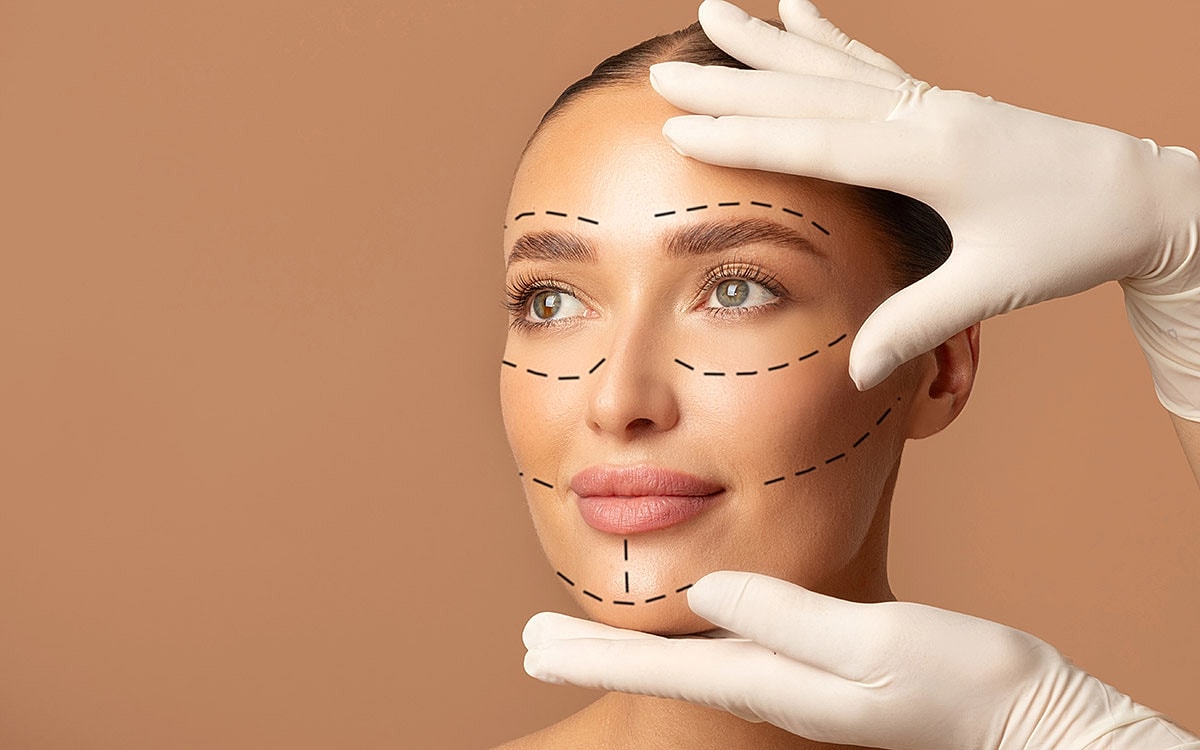

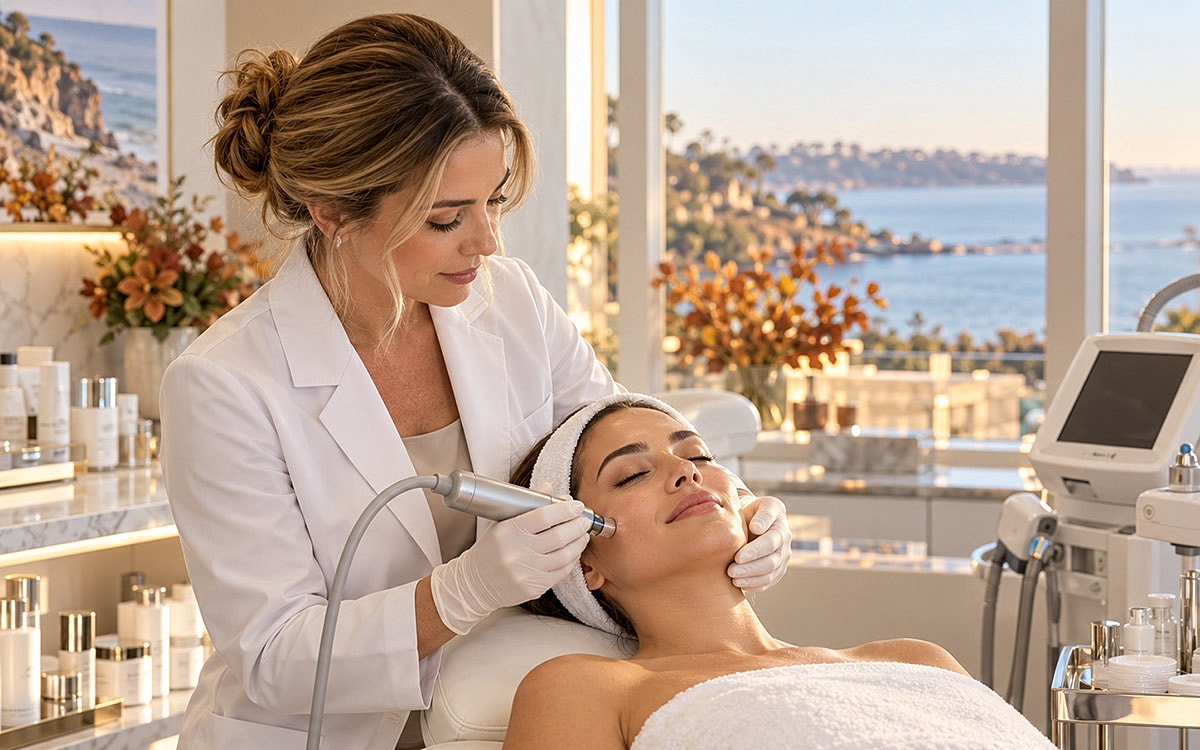
How cooler, darker months make peels safer and more effective, and which depth fits your skin?
Fall and winter are the best seasons for chemical peels and laser treatments because lower sun exposure protects fresh, sensitive skin. Peels come in three depths: superficial peels with about 3 to 7 days of mild peeling, medium peels with roughly 5 to 7 days, and deep peels with about 2 weeks of recovery. They can improve sunspots, fine lines, melasma, and acne marks. Strict sun protection afterward is essential.
"Summer left me with sunspots, and I want them gone before the holidays." It's a familiar request each fall at The One Plastic Surgery Center, where board-certified plastic surgeon Dr. Siamak Agha leads a team offering chemical peels in Newport Beach alongside laser and skin treatments.
After months of beach days and outdoor living in Southern California, many people notice uneven tone, new brown spots, and rougher texture. Fall is the ideal time to address that damage. This guide explains why, walks through the different peel depths, and helps you decide whether a peel or a laser makes more sense for your skin.
Key Takeaways
- Fall and winter are ideal for chemical peels and lasers because reduced sun exposure lowers the risk of pigment changes.
- Chemical peels come in superficial, medium, and deep strengths, each with different results and downtime.
- Peels can improve sunspots, fine lines, melasma, acne marks, and uneven tone after summer sun exposure.
- People who recently used isotretinoin or have certain skin conditions may need to wait before treatment.
- Daily broad-spectrum sunscreen and sun avoidance for several months after a peel help protect your results.
Why Fall Is Peel Season
Quick take: Chemical peels and lasers remove or disrupt the outer layers of skin, leaving new skin that's highly sensitive to sunlight. Fall and winter bring shorter days and weaker UV rays, making it easier to protect that new skin while it heals.
When fresh skin is exposed to strong sun, it can react by producing extra pigment. This is called post-inflammatory hyperpigmentation, and it can leave dark patches that take months to fade. Scheduling treatment in cooler months reduces that risk.
Other reasons fall works well:
- Less time outdoors: fewer beach days and outdoor events mean less accidental sun exposure
- Summer damage is fresh: sunspots and uneven tone from summer are easier to target
- Time to heal before spring: a series of treatments over fall and winter can be completed before sunnier months
- Holiday downtime: time off work can make peeling and redness easier to manage privately
Even in Newport Beach, where the sun shines most of the year, UV intensity drops in the fall and winter compared with summer.
Superficial, Medium, and Deep Chemical Peels
Quick take: Chemical peels are classified by how deeply they penetrate the skin. Deeper peels offer more dramatic results but require longer recovery. The right depth depends on your skin concerns, skin type, and how much downtime you can manage.
According to our chemical peels page, the practice offers three levels:
- Superficial (light) peels: use mild acids such as alpha-hydroxy acids to treat the outermost layer. This type of peel is best for fine lines, mild uneven tone, dryness, and acne. Downtime is about 3 to 7 days, and a series of 3 to 5 treatments is often recommended.
- Medium peels: use trichloroacetic acid (TCA) or glycolic acid to reach deeper layers. Best for sun damage, fine wrinkles, mild hyperpigmentation, and minor acne scars. Downtime is about 5 to 7 days.
- Deep peels: use stronger agents such as phenol or TCA for significant concerns. Best for deeper wrinkles, scars, and certain precancerous growths. Recovery takes about 2 weeks.
Superficial peels offer gradual improvement with minimal disruption to daily life. Medium and deep peels produce more noticeable change in a single session but require planning around visible peeling and redness.
The best peel isn't the strongest one; it's the one matched to your skin and your calendar.
What Chemical Peels Treat
Quick take: Chemical peels can improve many of the most common skin concerns, especially those caused by sun exposure and aging. Results vary with the depth of the peel and the number of treatments.
The American Academy of Dermatology notes that chemical peels can help treat age spots, fine lines, melasma, sun-damaged skin, and some types of acne and discoloration.
Common concerns treated include:
- Sunspots and age spots
- Fine lines and wrinkles
- Melasma and hyperpigmentation
- Acne marks and mild scarring
- Uneven skin tone and redness
- Rough or dull texture
- Freckles
Many patients notice a brighter, more even complexion after healing, with continued improvement over a series of treatments.
It's also important to know what peels can't do. Chemical peels don't tighten significantly loose skin, remove deep folds, or replace lost volume. For those concerns, treatments such as injectables, laser resurfacing, or surgical options like a facelift may be more effective. A good provider will honestly explain which concerns a peel can improve and which require a different approach.
Preparing your skin can improve results. Some patients are asked to use specific skincare products for a few weeks before a medium or deep peel to help the skin respond more evenly.
Always follow your provider's pre-treatment instructions.
Chemical Peels vs. Lasers: How to Choose
Quick take: Both chemical peels and lasers resurface the skin, but they work differently. Peels use a chemical solution, while lasers use light energy. The best choice depends on your concern, skin type, and downtime tolerance.
In general:
- Peels are often a good fit for pigment, melasma, and overall brightness, especially at superficial and medium depths
- CO₂ laser resurfacing is often preferred for deeper wrinkles, acne scars, and significant texture changes
- BBL HEROIC photofacial targets sunspots, redness, and broken capillaries with little downtime
- RF microneedling can improve texture and firmness and may be a good option for a wider range of skin tones
Some patients combine treatments over the fall and winter, such as a series of light peels followed by a laser session, to address both pigment and texture. Your provider can design a plan that fits your goals and timeline.
Who Should Wait or Avoid Chemical Peels
Quick take: Chemical peels aren't suitable for everyone at all times. Certain medications, skin conditions, and recent sun exposure can increase the risk of complications.
According to the practice, you should avoid chemical peels if you've taken the oral acne medication isotretinoin in the past six months. Other reasons you may need to wait include:
- A recent sunburn or tan
- Active cold sores or a history of frequent outbreaks, which may require preventive medication
- Open wounds, active skin infections, or irritated skin in the treatment area
- Pregnancy or breastfeeding, depending on the peel ingredients
- A history of abnormal scarring
Skin tone also matters. Deeper peels carry a higher risk of pigment changes in darker skin, so lighter peel formulas or alternative treatments may be recommended. The AAD also warns against at-home peels, advising that chemical peels should be done under the supervision of a licensed, trained provider.
Chemical Peel Aftercare and Sun Protection
Quick take: Aftercare protects your results and reduces the risk of complications. The most important rule is to protect your new skin from the sun for several months.
Key aftercare steps:
- Don't pick or peel: let skin shed naturally to avoid scarring
- Cleanse gently: use a mild cleanser as directed
- Moisturize often: keep skin hydrated during peeling
- Avoid active ingredients: pause retinoids, acids, and exfoliants until cleared
- Wear sunscreen daily: use a broad-spectrum SPF 30 or higher
- Avoid direct sun: the practice recommends avoiding sun exposure for several months while new skin remains sensitive
Wearing a wide-brimmed hat and planning outdoor activities for early morning or evening can help. For Newport Beach patients, this is one more reason fall and winter make recovery easier.
Medical disclaimer: This article is for educational purposes only and is not medical advice. Results and candidacy vary by patient. A consultation is required to determine which chemical peel or laser treatment is appropriate for your skin.
Conclusion
Fall is the ideal season to repair summer sun damage with chemical peels or lasers. Lower sun exposure protects new skin, and a series of treatments can be completed before spring.
Choosing the right peel depth depends on your skin concerns, skin type, and how much downtime you can manage.
With careful planning and consistent sun protection, many patients enjoy clearer, brighter, more even skin as the year winds down.
Ready to find out if a chemical peel is right for you? Schedule a consultation with board-certified plastic surgeon Dr. Siamak Agha at The One Plastic Surgery Center in Newport Beach to discuss your goals and options.
Frequently Asked Questions
Why is fall the best time for a chemical peel?
Fall brings lower sun exposure, which reduces the risk of pigment changes on newly treated skin. It also allows you to complete a series of treatments before sunnier months and to repair summer sun damage.
How long is the downtime after a chemical peel?
Superficial peels usually involve about 3 to 7 days of mild peeling. Medium peels typically take about 5 to 7 days, and deep peels may require about 2 weeks of recovery. Redness can last longer after deeper peels.
Can chemical peels remove sunspots?
Chemical peels can lighten and improve sunspots and age spots, especially with medium-depth peels or a series of superficial peels. Results vary, and some spots may respond better to laser or light-based treatments.
Is a chemical peel or a laser better for my skin?
Peels are often a good fit for pigment and overall brightness, while lasers such as CO₂ are often preferred for deeper wrinkles and scars. Your provider can recommend the best option based on your skin type and goals.
How long should I avoid the sun after a chemical peel?
Avoid direct sun as much as possible for several months, and wear broad-spectrum sunscreen with SPF 30 or higher every day. New skin is especially sensitive and can develop pigment changes with sun exposure.