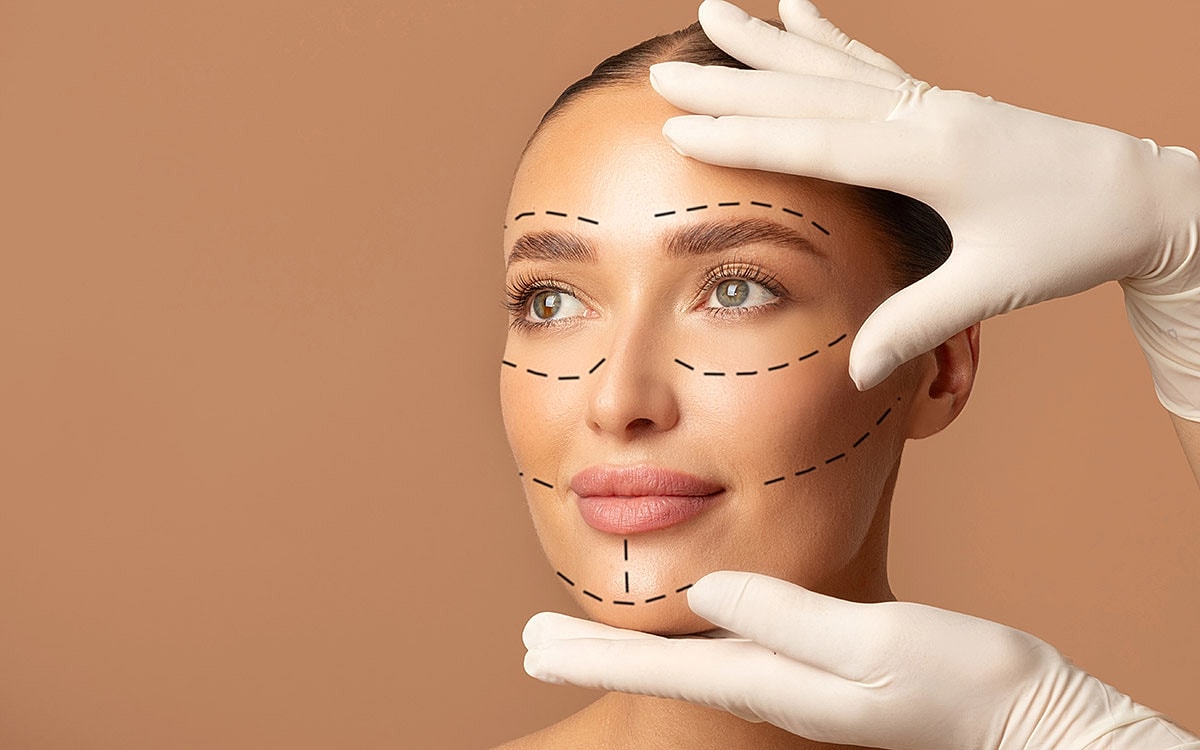


How a tummy tuck is tailored to a man's build, and why deep belly fat changes the conversation.
A male tummy tuck removes loose abdominal skin and fat and can repair separated abdominal muscles, with techniques adjusted for a masculine shape. It works best for men at a stable weight who have loose skin or a stubborn lower belly after weight loss. Surgery can't remove visceral fat, the deep fat around the organs, so that has to be addressed through weight loss. Most men avoid strenuous activity for six to eight weeks.
"I've lost the weight, but the lower belly just won't go." It's one of the most common things men say when they first ask about a male tummy tuck. Board-certified plastic surgeon Dr. Siamak Agha hears it often from men at The One Plastic Surgery Center in Newport Beach, many of whom have worked hard in the gym and at the dinner table and still can't get the result they want.
Men are often more private about considering cosmetic surgery, and they tend to want straight answers. This guide explains how a tummy tuck is different for men, what it can and can't fix, who is a suitable candidate, and what recovery looks like.
Key Takeaways
- A male tummy tuck removes excess skin and fat and can tighten separated abdominal muscles for a firmer midsection.
- The procedure is tailored to men with a straighter, lower incision and a flatter, more structured contour.
- Surgery removes fat under the skin but cannot remove visceral fat stored deep around the abdominal organs.
- Men can develop abdominal muscle separation from weight gain, visceral fat, or strain from heavy lifting.
- Most men should avoid strenuous activity for six to eight weeks and wear compression garments while healing.
Why Men Consider a Tummy Tuck
Quick take: Men usually seek a tummy tuck because of loose skin after weight loss, a stubborn lower belly that doesn't respond to training, or a weakened abdominal wall. It's about contour and function, not just appearance.
Common reasons include:
- Loose skin after major weight loss: including weight loss after bariatric surgery or GLP-1 medications
- A persistent lower belly pooch: that stays even at a healthy weight
- Abdominal muscle separation: which can make the belly push outward
- Skin folds: that cause chafing, rashes, or discomfort during exercise
- Clothing fit: shirts and pants that don't sit right despite a fit frame
Many men also want to see the results of their training. A layer of loose skin can hide muscle definition that's actually there.
How a Male Tummy Tuck Is Different
Quick take: A male tummy tuck uses the same core principles as any tummy tuck, but it's designed around masculine proportions. The goal is a flat, strong-looking abdomen, not an hourglass waist.
As our male tummy tuck page explains, the procedure is modified to preserve a masculine shape. Key differences include:
- Incision design: a straighter incision placed low along the groin so it can be hidden under underwear or swim trunks
- Contour goals: a flatter, more structured abdomen rather than a narrow, curved waist
- Liposuction emphasis: frequent treatment of the flanks and lower abdomen, where men often store stubborn fat
- Belly button shape: positioned and shaped to look natural on a male abdomen
Many men combine their tummy tuck with male liposuction of the flanks, chest, or back to refine the overall shape of the torso.
A great male tummy tuck looks like strength, not like surgery.
Visceral Fat vs. Subcutaneous Fat: What Surgery Can't Remove
Quick take: There are two main types of belly fat. Subcutaneous fat sits under the skin and can be removed with surgery. Visceral fat sits deep inside the abdomen around the organs, and surgery can't remove it.
Men tend to store more visceral fat than women. That's why some men have a firm, round belly even when they don't have much fat you can pinch. If most of your abdominal fullness is visceral, a tummy tuck won't flatten it, because the muscles can only be tightened so far over what's underneath.
How to tell the difference:
- Subcutaneous fat: soft and pinchable, sits just under the skin
- Visceral fat: firm, pushes the belly outward, not easily pinched
Visceral fat also carries health risks, including heart disease and diabetes. The best way to reduce it is through weight loss, exercise, and medical care. Once visceral fat is reduced, a tummy tuck can address what's left: loose skin, subcutaneous fat, and muscle separation.
A candid exam during your consultation helps sort out which type of fat you have and what surgery can realistically change.
Abdominal Muscle Separation in Men
Quick take: Muscle separation, called diastasis recti, isn't just a pregnancy issue. Men can develop it too, and a tummy tuck can repair it by stitching the separated muscles back together.
Diastasis recti happens when the two vertical bands of the rectus abdominis muscle pull apart along the midline. Research published in the journal Hernia notes that in men, it's often linked to visceral obesity and weight gain, as well as pressure from heavy weightlifting or improper exercise technique.
Signs of diastasis recti in men may include:
- A ridge or bulge down the middle of the abdomen when you sit up or strain
- A belly that pushes outward even with low body fat
- A feeling of weakness in the core
A narrative review on rectus diastasis in males points out that men have historically been underrepresented in research on this condition, which may lead to it being overlooked. During a male tummy tuck, the surgeon can repair the separation to tighten the abdominal wall.
Who Is a Suitable Candidate for a Male Tummy Tuck?
Quick take: The best candidates are healthy men at a stable weight who have loose abdominal skin, stubborn subcutaneous fat, or muscle separation. Realistic expectations and a commitment to maintaining results matter too.
You may be a suitable candidate if you:
- Have been at a stable weight for at least several months
- Have loose skin or a lower belly pooch that doesn't respond to diet and exercise
- Have abdominal muscle separation
- Don't smoke, or are willing to quit before and after surgery
- Have well-controlled health conditions
You may want to wait if you are still actively losing weight.
- Are still actively losing weight
- Have significant visceral fat that you're working to reduce
- Have uncontrolled blood pressure, diabetes, or other conditions
A 360 tummy tuck may be a better fit for men who have lost a significant amount of weight and have loose skin around their entire midsection. Men looking for an overall sculpted torso may also explore body masculinization options.
Male Tummy Tuck Recovery
Quick take: Most men return to desk work in about two to three weeks, but strenuous activity and heavy lifting need to wait six to eight weeks. Following instructions closely helps protect the muscle repair and supports a smooth result.
A general recovery timeline:
- Week 1: Rest, short walks, pain medication, and drain care if drains are used. You may walk slightly bent forward at first.
- Weeks 2 to 3: Drains are usually removed. Many men return to desk work.
- Weeks 4 to 6: Light activity increases. Lifting is still limited.
- Weeks 6 to 8: Gradual return to the gym and strenuous activity, as cleared by your surgeon.
- Months 3 to 12: Swelling continues to resolve, and the scar matures.
Compression garments help control swelling and support the abdomen during healing.
Protecting your scar from the sun for the first year can help it fade. For men in Newport Beach who spend time outdoors, sunscreen and covered clothing are especially important.
Returning to the gym too soon can strain the muscle repair. Your surgeon will guide when it's safe to resume core work and heavy lifting, and many men find a gradual return helps protect their results long-term.
Choosing a Surgeon for a Male Tummy Tuck in Newport Beach
Quick take: Look for a board-certified plastic surgeon with experience in male body contouring. Men's anatomy and aesthetic goals are different, and your surgeon's approach should reflect that.
Questions to ask at your consultation:
- How do you tailor a tummy tuck for male patients?
- Will I benefit from liposuction of the flanks or chest at the same time?
- Do I have muscle separation, and will you repair it?
- How much of my belly fullness is visceral fat?
- What can I realistically expect from my results?
A thorough consultation should leave you with a clear, honest picture of what surgery can do for your body.
Medical disclaimer: This article is for educational purposes only and is not medical advice. Results and candidacy vary by patient. A consultation is required to determine whether a male tummy tuck is appropriate for you.
Conclusion
A male tummy tuck can remove loose skin and stubborn fat and repair separated muscles, revealing a flatter, stronger-looking abdomen. It's designed around a masculine build, with a lower, straighter incision and a structured contour. Understanding the difference between visceral and subcutaneous fat helps set realistic expectations about what surgery can change.
If you've done the work and your midsection still isn't responding, a consultation can help you understand your options.
Ready to find out if a male tummy tuck is right for you? Schedule a consultation with board-certified plastic surgeon Dr. Siamak Agha at The One Plastic Surgery Center in Newport Beach to discuss your goals and options.
Frequently Asked Questions
How is a male tummy tuck different from a female tummy tuck?
A male tummy tuck uses a straighter, lower incision and aims for a flatter, more structured abdomen rather than a curved waist. It often includes liposuction of the flanks, where men commonly store stubborn fat. The goal is to preserve masculine proportions.
Can a tummy tuck get rid of a stubborn beer belly?
Not if the fullness is mostly visceral fat, which sits deep around the organs. A tummy tuck removes skin and fat under the skin and can tighten muscles, but visceral fat must be reduced through weight loss and lifestyle changes.
Can men get diastasis recti?
Yes. Men can develop abdominal muscle separation, often linked to visceral fat, weight gain, or strain from heavy lifting. A tummy tuck can repair the separated muscles.
How long after a male tummy tuck can I lift weights?
Most men need to avoid strenuous activity and heavy lifting for six to eight weeks. Your surgeon will guide a gradual return to the gym based on your healing and whether muscle repair was performed.
Where is the scar after a male tummy tuck?
The incision is typically placed low along the groin area in a straighter line, so the scar can be hidden under underwear or swim trunks. Scars fade gradually over about a year.