
How do ligaments, fat compartments, bone, and skin shape the jawline, and which jowl treatments truly correct it?
Jowls form when fat and soft tissue along the lower face slide down past a ligament that stays anchored to the jaw. Creams and devices have limited effect. Fillers can disguise jowls, and fat-reducing treatments can shrink them when fat is the main issue. Only lifting and repositioning the deeper tissue, as in a facelift, actually moves them back up.
Maybe you noticed it in a photo or in the mirror under harsh light. The clean line of your jaw has softened, and the skin along your lower cheeks seems to hang a little lower than it used to. Those are jowls, and "how to get rid of them" is one of the most common questions about facial aging.
You're not the only one asking. According to the American Society of Plastic Surgeons, lift procedures led to growth in 2025, with facelifts up 13 percent and neck lifts up 21 percent.
This guide explains why jowls form and how every common treatment compares, from skincare to surgery. It reflects the approach of board-certified plastic surgeon Dr. Siamak Agha in Newport Beach, who matches each treatment to the cause rather than offering one fix for everyone.
What Are Jowls?
Jowls are the soft, sagging areas of skin and fat that form along the jawline, on either side of the chin. They break up the smooth line from the chin to the ear. Jowls usually become noticeable in the 40s or 50s, although genetics, weight changes, and sun exposure can bring them on earlier.
Jowls vs. a Double Chin vs. Neck Laxity
These three concerns often appear together, but they're different. Jowls sit along the jawline.
A double chin is fullness under the chin, usually caused by fat. Neck laxity is loose skin and muscle in the neck. Knowing which you have matters, because each responds to different treatments.
Why They Show Up in Your 40s and 50s
Facial aging happens in layers. Over time, the supporting tissues of the face loosen, fat shifts, and skin loses elasticity. By midlife, those gradual changes add up enough to show at the jawline, which is one of the first places they become visible.
Why Jowls Form: The Anatomy Behind a Sagging Jawline
Jowls aren't simply loose skin. They form when fat and soft tissue in the lower face descend while a fixed attachment along the jaw holds firm. That contrast creates the characteristic bulge above the jawline. Several layers contribute at once, which is why surface treatments often do not work.
The Mandibular Septum and Retaining Ligaments
The face is held in place by small, strong attachments called retaining ligaments. Research presented by Reece, Rohrich, and Pessa describes a structure called the mandibular septum, which tethers the skin to the jaw border. Jowl fat sits just above it. When surrounding tissue loosens and slides, this anchor point stays put, creating the jowl's edge.
Fat Compartments That Shift and Descend
Facial fat isn't one uniform layer. A landmark study by Rohrich and Pessa showed that it sits in separate compartments divided by fibrous walls. As these compartments change with age, fat can descend toward the jawline and gather in the jowl area.
SMAS and Platysma Laxity
Beneath the skin lies a supportive layer called the SMAS (superficial musculoaponeurotic system), which connects to the platysma muscle in the neck. As the SMAS and platysma loosen, they no longer hold the lower face and neck as firmly. This phenomenon is one reason jowls and neck changes so often appear together. You can read more about how the neck and jawline change with age.
Bone Changes Along the Jaw
The facial skeleton also changes over time. Research by Mendelson and Wong suggests that bone changes in the area just in front of the jowl may contribute to a less defined jawline. The evidence on bone aging is mixed, but a smaller chin can make jowls appear earlier.
Skin Aging, Sun, and Genetics
Skin gradually loses collagen and elasticity. Sun exposure speeds this process, and genetics influence how early it shows. Thinner, less elastic skin makes the underlying changes more visible.
Jowls aren't just loose skin. They're fat sliding past a ligament anchored to the jaw.
Weight Loss, GLP-1 Medications, and Jowls
Significant weight loss can change the face as well as the body. When facial fat decreases quickly, the skin and supporting tissues may not tighten to match. That can make existing laxity along the jawline more visible.
Many patients losing weight on GLP-1 medications notice these facial changes. The ASPS reports that a large share of its member surgeons received GLP-1-related consultation requests in 2025, though it notes these figures don't show that the medications drove growth in any specific procedure. If you're still losing weight, it's usually wise to reach a stable weight before planning surgery, so your results reflect your new baseline.
Non-Surgical Jowl Treatments: What They Can and Can't Do
Non-surgical jowl treatments can soften, camouflage, or slim the jawline, but they can't reposition tissue that has descended. They work best for mild jowling or as maintenance.
The ASPS notes that minimally invasive treatments can't match the results of a facelift for sagging in the lower face.
Skincare and Energy Devices
Good skincare and sun protection help keep skin healthy, but creams can't lift jowls. Energy-based devices that heat the skin may mildly tighten it, and results are typically subtle. They suit people with early laxity who want gradual improvement.
Fillers and Sculptra
Dermal fillers placed along the jawline or chin can blur the edge of a jowl and restore lost volume. Sculptra stimulates collagen over time. Both camouflage jowls rather than lift them. Too much filler along the lower face can create a heavy look, so a conservative approach matters.
Kybella and Liposuction
When fat is the main contributor, fat reduction can help. Kybella dissolves fat cells with a series of injections. According to Cleveland Clinic, it is FDA-approved for fat under the chin, so its use for Jowls is off-label. Small-area liposuction is another option. Neither tightens loose skin or lifts the tissue.
Thread Lifts
A thread lift uses dissolvable sutures to lift tissue slightly. The ASPS describes results as modest, lifting a few millimeters, and temporary, lasting roughly one to three years. Thread lifts suit mild to moderate laxity, but not significant jowling.
Fillers can disguise a jowl, but only repositioning the deeper tissue actually moves it back.
Surgical Options for Jowls: Mini, SMAS, and Deep Plane Facelift
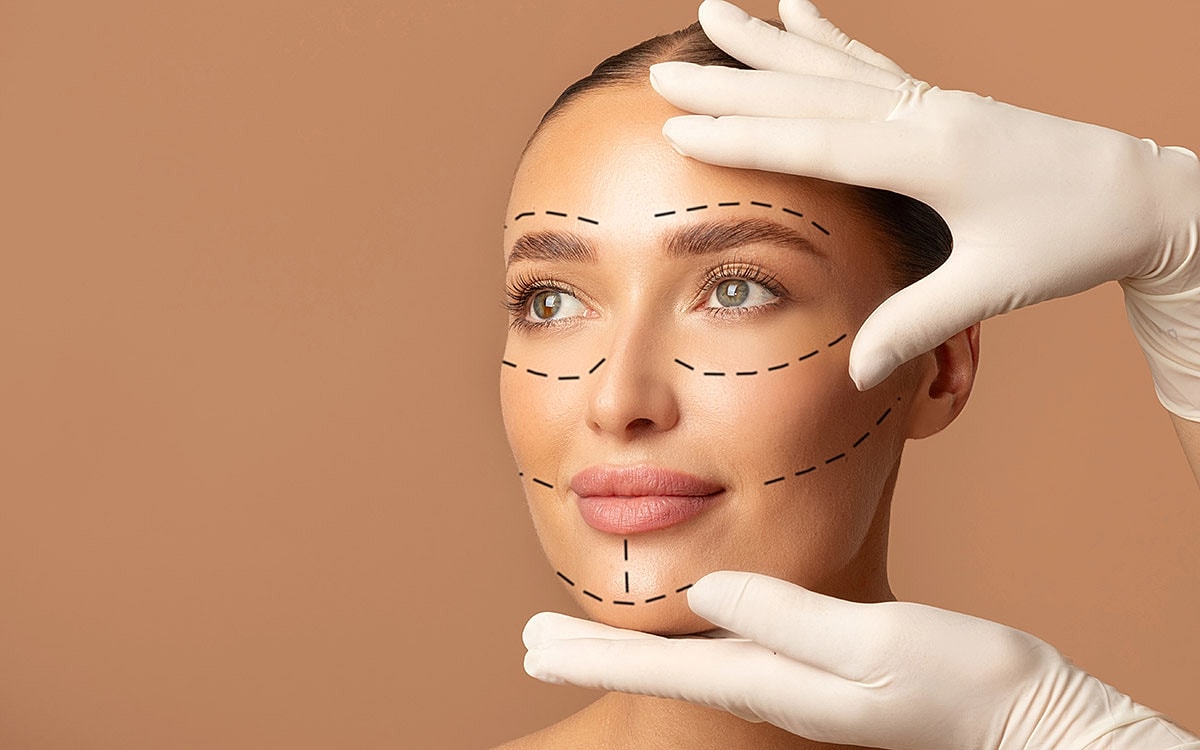
Surgery is the most definitive way to treat jowls because it repositions the tissue that has descended rather than hiding it. The right technique depends on how much jowling you have, your skin quality, and whether your neck needs attention too. A careful exam guides the choice.
Mini Facelift for Mild Jowling
A mini facelift uses shorter incisions and targets the lower face. It can suit patients with early jowls and good skin elasticity who don't have significant neck laxity. Recovery is generally shorter, but the correction is more limited.
SMAS Facelift
A SMAS facelift tightens the supportive layer beneath the skin, rather than pulling on the skin alone. Lifting the SMAS helps restore the jawline and creates more natural, longer-lasting results than skin-only techniques.
Deep Plane Facelift
A deep plane facelift works beneath the SMAS and releases the retaining ligaments that tether tissue in place. That allows the cheek and jowl tissues to move upward together as a unit. For moderate to advanced jowling, it offers one of the most structural, longest-lasting corrections available.
Adding a Neck Lift or Fat Transfer
Because jowls and neck laxity often appear together, many patients combine facelift surgery with a neck lift. Fat transfer can also restore volume where the face has hollowed. Board-certified plastic surgeon Dr. Siamak Agha tailors these combinations to each patient, so the jawline, neck, and midface look balanced.
According to the ASPS, facelift results can last up to about a decade. No procedure stops aging, but a well-planned facelift can help you look younger.
How to Choose the Right Treatment for Your Jowls
The best treatment for your jowls depends on what's causing them. Here's how the main options compare:
Main cause |
Treatment |
What it changes |
How long it lasts |
Mild skin laxity |
Energy devices |
Mild tightening |
Varies; often needs repeat sessions |
Volume loss |
Fillers or Sculptra |
Camouflages the jowl edge |
Temporary; maintenance needed |
Excess fat |
Kybella or liposuction |
Reduces fat |
Treated fat cells don't return |
Mild to moderate laxity |
Thread lift |
Small, temporary lift |
About 1 to 3 years |
Early jowls, good skin |
Mini facelift |
Lifts the lower face |
Longer than non-surgical options |
Moderate to advanced jowls |
SMAS or deep plane facelift |
Repositions deeper tissue |
Up to about a decade |
Most people have more than one cause. That's why an in-person exam is the most reliable way to build a plan. You can also browse facelift before-and-after photos to see how different approaches look on real patients.
The Bottom Line on Jowls
Jowls form from a combination of descending fat, loosening support, skin aging, and sometimes bone changes. Non-surgical treatments can soften or disguise them, while facelift surgery repositions the tissue for a more lasting result. The right choice depends on your anatomy and goals.
Ready to find out if jowl treatment is right for you? Schedule a consultation with board-certified plastic surgeon Dr. Siamak Agha at The One Plastic Surgery Center in Newport Beach to discuss your goals and options.
Frequently Asked Questions
Can you get rid of jowls without surgery?
Non-surgical treatments can soften or disguise mild jowls. Fillers camouflage the jowl edge, fat-reducing treatments help when fat is the main cause, and thread lifts offer a small, temporary lift. For moderate to advanced jowls, surgery is the only way to reposition the tissue.
Do fillers make jowls worse?
When placed conservatively, fillers can improve the jawline by restoring volume and blurring the jowl edge. Overfilling the lower face, however, can add weight and create a heavy look. An experienced injector or surgeon will recommend the right amount and placement.
Does Kybella work for jowls?
Kybella is FDA-approved for fat under the chin, so using it for jowls is off-label. It may help when excess fat contributes to jowling, but it doesn't tighten skin or lift tissue. It usually requires several treatment sessions.
Is a mini facelift enough for jowls?
A mini facelift can work well for early jowls in patients with excellent skin elasticity and little neck laxity. For more pronounced jowling, a SMAS or deep plane facelift typically delivers a more complete and longer-lasting correction.
How long do facelift results for jowls last?
Facelift results can last up to about a decade, depending on technique, skin quality, and lifestyle. A facelift doesn't stop aging, but it can help you look younger for longer. Sun protection, a stable weight, and effective skincare help results last longer.
Medical disclaimer: This article is for educational purposes only and is not medical advice. Results and candidacy vary by patient, and a consultation with a qualified plastic surgeon is required to determine which jowl treatment is right for you.