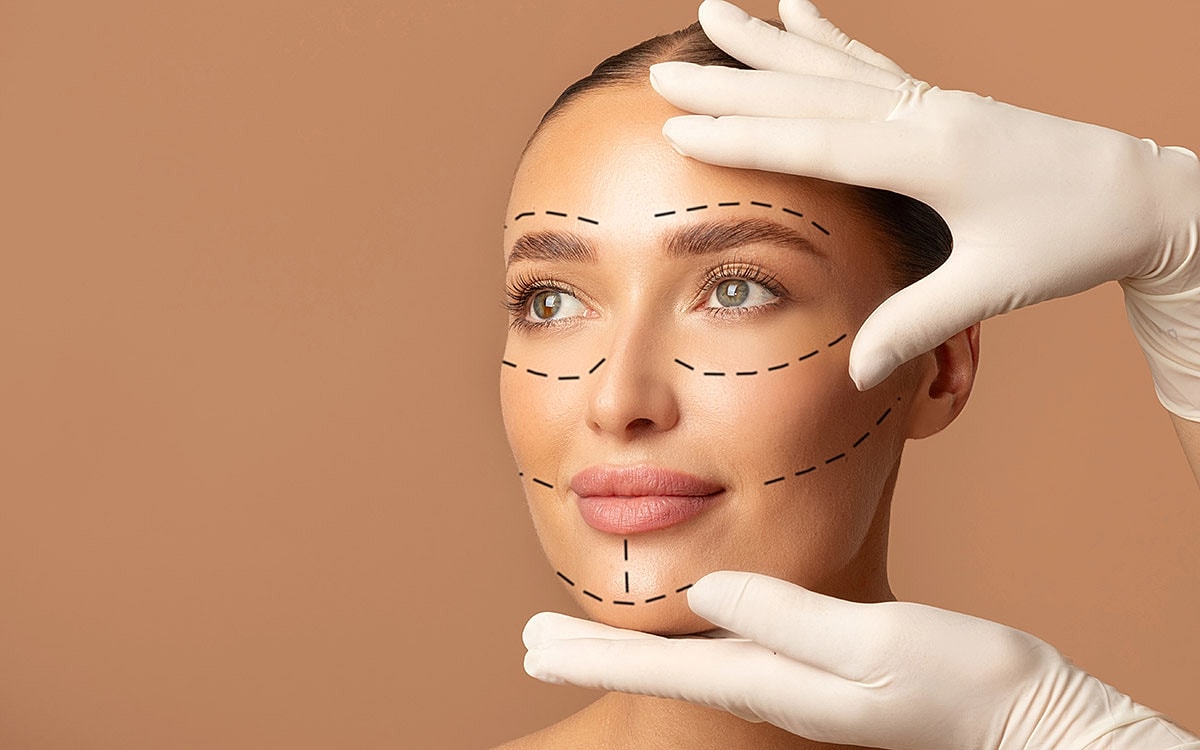

What CO₂ laser treatments are available, how much downtime to expect, and why fall is the ideal season to start.
CO₂ laser resurfacing removes damaged outer layers of skin and stimulates new collagen to improve wrinkles, acne scars, sun damage, and texture. Fractional CO₂ treats tiny columns of skin for shorter downtime, often around one to two weeks, while fully ablative treatment may take two to three weeks to heal. Redness can last longer. Lighter skin tones tend to be the best candidates. Fall and winter are ideal times to treat.
Sun damage, fine lines, and acne scars can make skin look older or more tired than you feel. CO₂ laser resurfacing in Newport Beach is one of the most effective treatments for these concerns, but it also comes with real downtime. Knowing what to expect ahead of time makes the difference between a stressful recovery and a planned one.
At The One Plastic Surgery Center, patients receive CO₂ laser treatments within a practice led by board-certified plastic surgeon Dr. Siamak Agha. That surgical background shapes how treatments are planned, from candidacy screening to aftercare.
This guide explains how CO₂ laser resurfacing works, what it treats, who is a suitable candidate, what recovery looks like day by day, and why fall is the best season to start.
Key Takeaways
- CO₂ laser resurfacing removes damaged skin layers and stimulates collagen to improve wrinkles, scars, sun damage, and texture.
- Fractional CO₂ treats small columns of skin for shorter recovery, while fully ablative treatment has longer downtime.
- Most patients need about one to three weeks to heal, depending on treatment depth, with redness that may last longer.
- People with lighter skin tones are generally the best candidates because darker skin carries a higher risk of pigment changes.
- Fall and winter are ideal for CO₂ laser treatment because less sun exposure helps protect healing skin.
What Is CO₂ Laser Resurfacing?
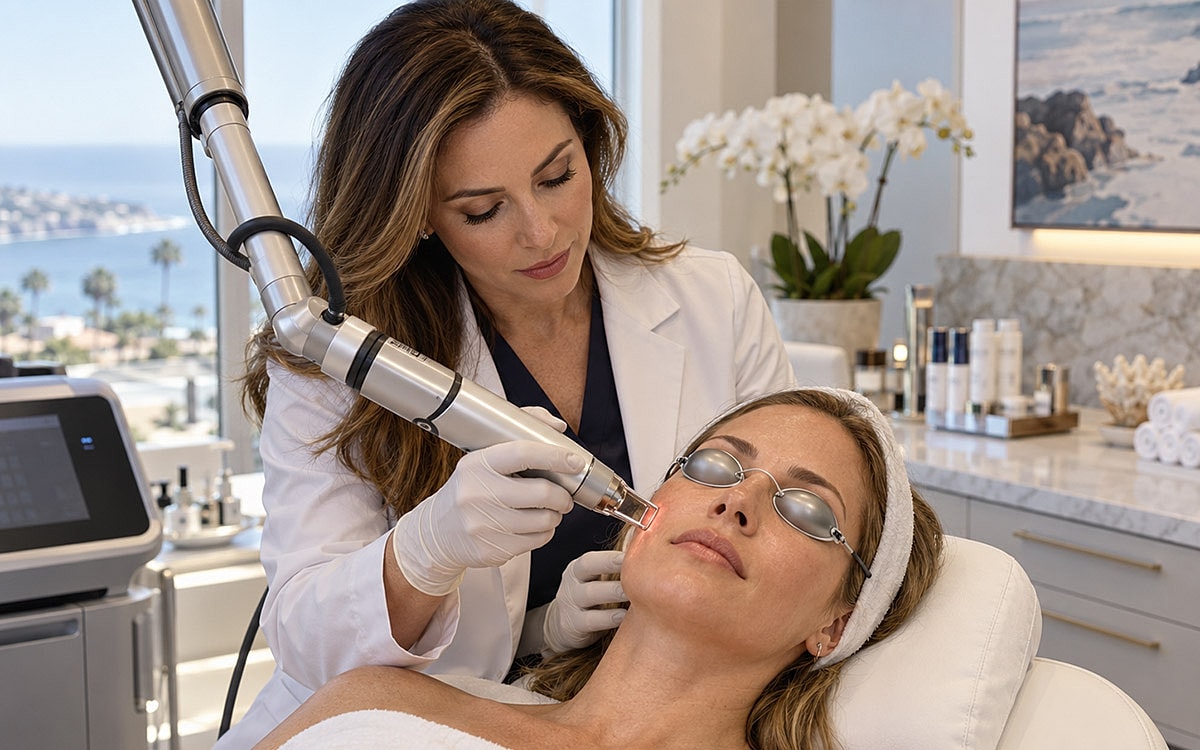
CO₂ laser resurfacing uses a carbon dioxide laser to remove thin layers of damaged skin and heat the deeper layers underneath. This controlled injury prompts the skin to heal and produce new collagen, resulting in smoother, firmer, more even-toned skin over time.
The practice uses the CO2RE system, which offers multiple treatment modes. This allows the treatment to be adjusted in depth and intensity based on your skin concerns and how much downtime you can accommodate. Learn more on our CO₂ laser skin resurfacing page.
Fractional vs. Fully Ablative CO₂
CO₂ lasers can be used in two main ways. According to Cleveland Clinic, fully ablative lasers remove the outer layer of skin across the entire treatment area. Fractional CO₂ delivers the laser in narrow columns, leaving surrounding skin intact.
- Fractional CO₂: treats a fraction of the skin at a time, which shortens recovery while still reaching deeper layers
- Fully ablative CO₂: treats the full surface for more dramatic results, with a longer healing time
Many patients choose fractional CO₂ because it balances strong results with more manageable downtime. Your provider will recommend the right approach for your skin.
What CO₂ Laser Treats
CO₂ laser resurfacing can improve a wide range of skin concerns. It's especially effective for textural issues that other treatments can't fully address.
Common concerns treated include:
- Fine lines and wrinkles: including crow's feet and lines around the mouth
- Acne scars: particularly textured or pitted scars
- Sun damage: age spots, uneven tone, and rough texture
- Surgical or injury scars: to soften and blend them
- Skin laxity: mild tightening from collagen stimulation
- Enlarged pores and uneven texture
According to the practice, many patients see meaningful results after a single treatment, though it can take weeks to months for redness to fade and collagen to rebuild.
CO₂ laser rewards patience, since the best results continue to develop for months after treatment.
Who Is a Suitable Candidate for CO₂ Laser Resurfacing?
Good candidates for CO₂ laser resurfacing have concerns such as wrinkles, sun damage, or acne scars and are willing to commit to the downtime and aftercare. Skin tone plays an important role in candidacy.
People with lighter skin tones are generally excellent candidates. Darker skin tones carry a greater risk of hyperpigmentation (darkening of the skin) after treatment. For these patients, other options such as erbium lasers, RF microneedling, or certain chemical peels may be safer choices.
According to Cleveland Clinic, CO₂ lasers may not be recommended for people with:
- Active acne
- Very dark skin tones
- Very deep wrinkles or significant sagging skin that may be better treated surgically
Your provider will also review your history of cold sores, recent use of acne medications such as isotretinoin, and any tendency to scar or develop pigment changes.
How to Prepare for CO₂ Laser Treatment
Preparation helps your skin heal more predictably. In the weeks before treatment, your provider may ask you to avoid sun exposure and tanning, pause certain skincare products such as retinoids or exfoliating acids, and let them know about any history of cold sores so preventive medication can be prescribed.
It also helps to prepare your recovery space. Stock up on the gentle cleanser, moisturizer, and sunscreen your provider recommends, and plan to stay home for the first several days. Clean pillowcases and a cool, comfortable environment can make those early days easier. If you have events coming up, schedule treatment with enough time for redness to fade.
CO₂ Laser Resurfacing Downtime: Day-by-Day Recovery
CO₂ laser resurfacing downtime depends on how deeply your skin is treated. Fractional treatments often heal in about one to two weeks, while fully ablative treatments can take two to three weeks. Redness may last several weeks or longer as the skin continues to heal.
Here's what recovery generally looks like:
- Days 1 to 3: Skin is red, swollen, and may ooze slightly. It often feels like a sunburn.
- Days 4 to 7: Skin begins to peel or flake, and small scabs may form. Keep the area clean and moisturized.
- Days 7 to 14: New pink skin appears as peeling finishes. Many fractional patients return to social activities.
- Weeks 2 to 3: Deeper treatments continue healing. Makeup may be allowed once cleared.
- Weeks to months: Redness fades gradually, and collagen continues to rebuild.
The practice recommends avoiding cosmetics for about two weeks, cleansing gently with a saline or vinegar-based solution as directed, and moisturizing daily. Sunscreen with at least SPF 30 is essential for up to a year after treatment.
Risks and How They're Prevented
CO₂ laser resurfacing is generally safe when performed by trained professionals, but it does carry risks. Knowing them ahead of time allows you to prepare.
Cleveland Clinic notes several potential risks and ways to reduce them:
- Cold sore flare-ups: preventable with antiviral medication started before treatment and continued afterward
- Infection: reduced with proper wound care and, in some cases, preventive antibiotics
- Hyperpigmentation: more common in darker skin and treatable with topical agents
- Prolonged redness: usually fades over weeks to months
- Scarring: uncommon but possible, especially if aftercare instructions aren't followed
Strict sun protection is one of the most important steps you can take. Healing skin is highly sensitive, and sun exposure can lead to pigment changes.
Why Fall and Winter Are the Best Seasons for CO₂ Laser in Newport Beach
Fall and winter are the ideal seasons for CO₂ laser resurfacing in Newport Beach. Shorter days and less intense sunlight make it easier to protect healing skin. Even in Southern California, UV exposure is lower in the cooler months than in the summer.
The holiday season can also make downtime easier to schedule. Many patients plan treatment around time off work so they can heal privately before returning to social events. Starting in the fall also allows collagen to rebuild over the winter, with results continuing to improve into spring.
For patients who want to prepare their skin or address pigmentation first, a BBL HEROIC photofacial can sometimes be used as a complementary treatment. Your provider can help plan a series that fits your goals and calendar.
Medical disclaimer: This article is for educational purposes only and is not medical advice. Results and candidacy vary by patient. A consultation is required to determine whether CO₂ laser resurfacing is appropriate for your skin.
Conclusion
CO₂ laser resurfacing is one of the most effective treatments for wrinkles, acne scars, and sun damage, but it requires a real commitment to downtime and aftercare. Fractional treatments offer shorter healing, while fully ablative treatments provide more dramatic change with longer recovery. Choosing the right time of year, especially fall or winter, can make the process easier.
With careful candidacy screening and consistent sun protection, many patients enjoy smoother, clearer skin that continues to improve for months.
Ready to find out if CO₂ laser resurfacing is right for you? Schedule a consultation with board-certified plastic surgeon Dr. Siamak Agha at The One Plastic Surgery Center in Newport Beach to discuss your goals and options.
Frequently Asked Questions
How long is the downtime for CO₂ laser resurfacing?
Fractional CO₂ treatments typically require about one to two weeks of healing, while fully ablative treatments may take two to three weeks. Redness can last several weeks or longer after the skin has healed.
How many CO₂ laser treatments will I need?
Many patients see meaningful results after one treatment. Some may benefit from additional sessions depending on their concerns and the depth of treatment. Your provider will recommend a plan based on your skin.
Is a CO₂ laser safe for darker skin?
A CO₂ laser carries a higher risk of hyperpigmentation in darker skin tones. Other options, such as erbium lasers, RF microneedling, or certain peels, may be safer. A consultation can determine the best approach for your skin type.
When will I see results from CO₂ laser resurfacing?
You'll notice smoother skin once peeling finishes, usually within one to two weeks. Results continue to improve over several months as new collagen forms.