
Your age is only one number. Your health, your skin, and your surgeon's approach matter more.
A facelift after 60 can be safe for healthy, carefully screened patients. Studies have found complication rates for older patients similar to those of younger ones. The keys are honest medical screening, a technique that lifts deeper tissue instead of pulling skin, and a recovery plan that allows a little extra time. Most patients look presentable in two to three weeks and see refined results over several months.
Key Takeaways
- Research suggests age alone is not the main risk factor for facelift complications. Overall health is.
- Blood pressure control, medications, and smoking status matter most during pre-surgery screening.
- Deep plane techniques reposition sagging tissue as a unit, which helps avoid a pulled or windswept look.
- Recovery after 60 may take slightly longer, so plan on two to three weeks before social events.
- Facial fat transfer is often added to restore lost volume, which a lift alone can't replace.
"Am I too old for a facelift?" It's one of the most common questions surgeons hear from patients in their 60s and 70s. Many have watched friends age in different ways. They've seen results that looked wonderful and results that looked tight or obvious. They want the first kind, and they want to know it's safe.
The short answer is encouraging. A facelift after 60 is common, and for the right patient it can be very safe. In fact, most facelift patients are well past 50.
At The One Plastic Surgery Center in Newport Beach, board-certified plastic surgeon Dr. Siamak Agha regularly treats patients in their 60s and beyond. His focus is on careful screening, deeper-layer lifting, and results that let you look like yourself, just more rested. Here's what to know before you decide.
Is a Facelift After 60 Safe?
For healthy patients who are carefully screened, a facelift after 60 appears to be about as safe as it is for younger adults. Research consistently points to overall health, not birthday, as the bigger predictor of complications. Conditions like uncontrolled blood pressure, smoking, and certain medications matter more than age.
A frequently cited Cleveland Clinic study published in Plastic and Reconstructive Surgery compared 216 facelift patients, divided into those under and over 65. Older patients had a major complication rate of 2.9%, compared with 2.0% for younger patients. That difference was not statistically significant.
Larger data sets point the same way. A Vanderbilt University study of more than 129,000 cosmetic surgery patients found no meaningful difference in complication rates between patients older and younger than 65 when procedures were performed by board-certified plastic surgeons.
The researchers were clear about one caveat. These patients were carefully selected. Older patients with significant health problems were screened out. Good outcomes depend on that screening.
Who Is a Good Candidate for a Facelift After 60?
A good candidate for a facelift after 60 is in stable general health, doesn't smoke, has realistic expectations, and is bothered by sagging in the lower face and neck.
Common concerns include jowls, loose neck skin, deep folds around the mouth, and a jawline that has lost its definition.
Your surgeon will look closely at:
- Blood pressure. Well-controlled blood pressure is one of the most important factors for reducing bleeding risk after a facelift.
- Medications and supplements. Blood thinners, aspirin, fish oil, and some herbal supplements may need to be paused, but only in coordination with your doctor.
- Heart, lung, and diabetes health. Your primary care physician or specialist may need to clear you for surgery.
- Smoking and nicotine. Nicotine reduces blood flow to the skin and raises the risk of healing problems.
- Skin quality. Thinner or sun-damaged skin can affect technique and recovery.
Mature patients are actually some of the most common facelift patients. A published review of facelift complications noted that in 2019, 90% of facelift patients were over 50, and 35% were over 65.
Choosing the Right Technique After 60
After 60, facial aging usually involves more than loose skin. The deeper support layer, called the SMAS (the superficial musculoaponeurotic system, a thin sheet of muscle and connective tissue under the skin), sags too. Fat pads in the cheeks shift downward and deflate. A thorough facelift addresses each of these layers.
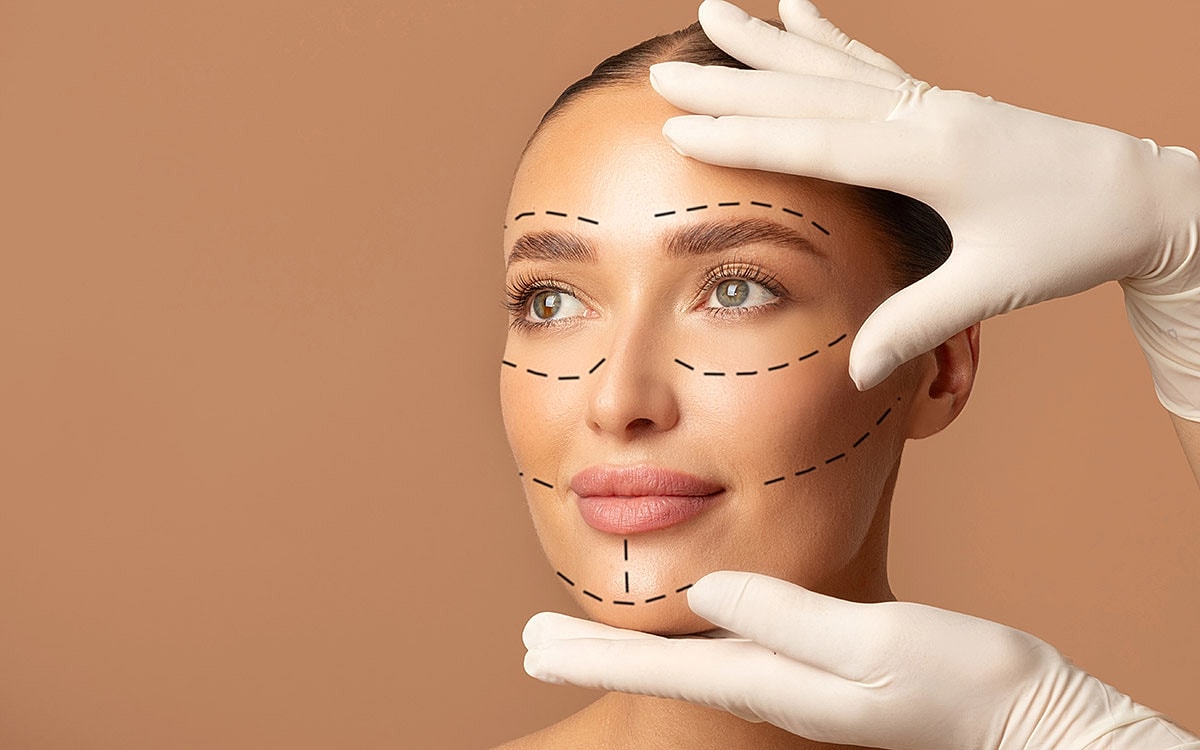
Dr. Agha frequently uses a deep plane facelift, which works beneath the SMAS and releases the ligaments that hold sagging tissue down. The skin, fat, and muscle layer are then lifted together as one unit. Because the lift happens underneath, the skin isn't stretched tight, which helps avoid the pulled, windswept look many people fear.
A facelift after 60 is also commonly paired with:
- A neck lift to tighten loose neck muscles and skin
- Eyelid surgery to address heavy upper lids or puffy lower lids
- Facial fat transfer to restore volume in hollow cheeks, temples, or under the eyes
A remarkable facelift after 60 doesn't erase your years. It restores the structure they've quietly moved.
Facelift Recovery After 60: What's Different?
Facelift recovery after 60 follows the same general timeline as at any age, but many older patients find it takes a little longer to feel fully like themselves. Skin may bruise more easily, and swelling can take a bit more time to settle. Planning for extra rest helps.
A typical recovery timeline:
- Days 1 to 3: Swelling and tightness peak. You'll rest with your head raised and may have a compression wrap. Pain is usually moderate and well controlled.
- Week 1: Many patients have stitches removed and begin taking short walks around the neighborhood.
- Weeks 2 to 3: Most bruising fades. Many patients feel comfortable running errands and seeing friends, sometimes with a little makeup.
- Weeks 4 to 6: Most patients return to exercise and normal activities.
- Months 3 to 6: Residual swelling settles, numbness improves, and results look increasingly natural.
Arranging support at home for the first few days is important, especially if you live alone. Many patients in Orange County ask a family member to stay with them or arrange professional aftercare.
Risks to Understand Before a Facelift After 60
Every surgery carries risk, and an honest consultation should cover them clearly.
The most common facelift complication that needs treatment is a hematoma, a collection of blood under the skin. It usually appears within the first 24 hours and is most strongly linked to blood pressure spikes.
Other possible risks include infection, delayed healing, temporary numbness, visible scarring, and, rarely, injury to facial nerves. Most nerve-related weakness is temporary and improves with time.
Your surgeon can lower many of these risks by managing blood pressure before and after surgery, stopping certain medications in advance, and choosing an accredited surgical facility. Your part is just as important. Don't smoke, follow your instructions, and keep every follow-up appointment.
How Long Does a Facelift Last After 60?
A facelift doesn't stop the aging process, but it can help you look younger for a while. Many patients enjoy results that look natural for a decade or longer. Deep plane techniques are generally associated with longer-lasting results because they reposition deeper, sturdier tissue.
Your results will continue to age naturally. You'll still look younger than you would have without surgery. Good skin care, sun protection, a stable weight, and not smoking all help results last. Dr. Agha's article on how long facelift results last covers the topic in more detail.
Some patients return years later for a small refinement, such as a touch of fat transfer or a minor neck tuck. That's normal and doesn't mean the first surgery failed.
How to Prepare for a Facelift After 60
Preparation starts several weeks before surgery. Your surgeon may request lab work, an EKG, or a clearance letter from your primary care doctor. Bring a full list of medications and supplements so your team can tell you what to pause and when.
A few practical steps help, too. Fill prescriptions ahead of time, and set up a recliner or a stack of pillows so you can rest with your head raised. Stock soft, easy foods. If you color your hair, many surgeons suggest doing it a week or two before surgery, since you'll need to wait several weeks afterward.
Finally, clear your calendar. Patients who give themselves a true two to three weeks of downtime usually feel calmer and recover more comfortably.
Natural Results Start With the Consultation
Natural results after 60 come from planning, not just technique alone. The consultation is where your surgeon learns what bothers you, what you want to keep, and how you want to look in a year, not just in photos.
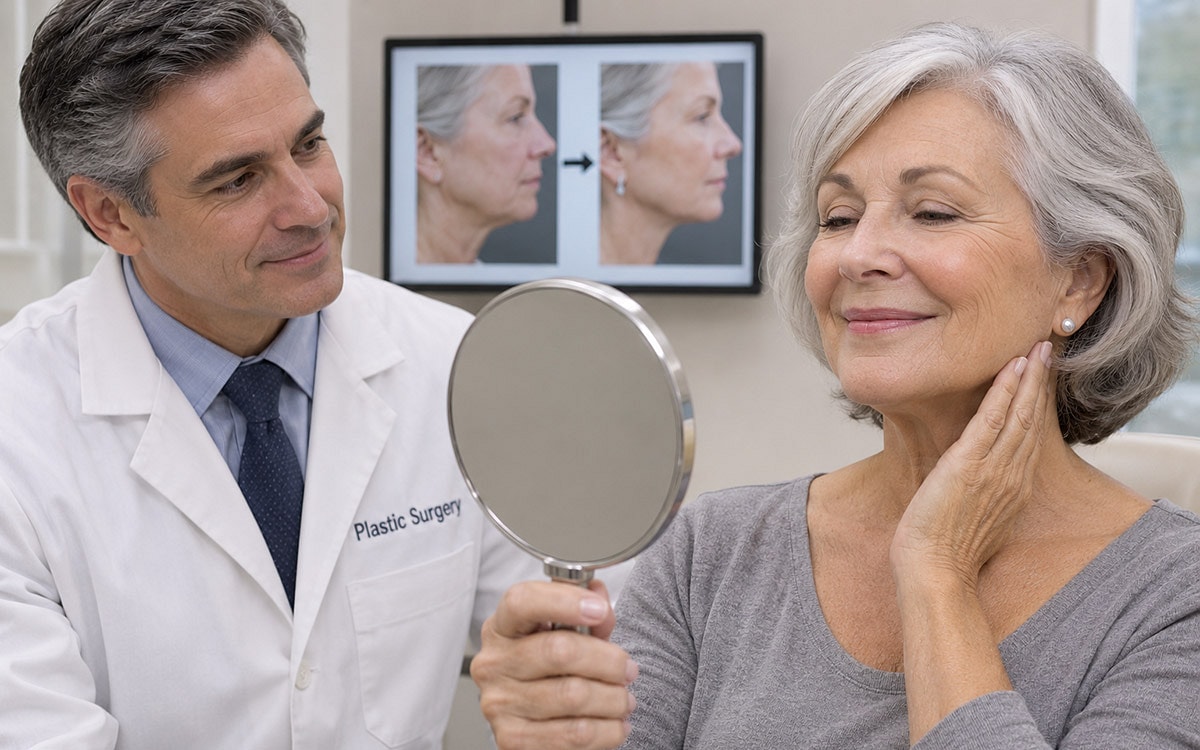
Bring older photos of yourself from 10 or 15 years ago. They help your surgeon understand your natural features. Be open about your health history, medications, and lifestyle. Ask to see before-and-after photos of patients close to your age.
For many patients in Newport Beach, the goal is simple. They want to look like themselves on a good day. That's a goal a skilled, board-certified surgeon can usually help you reach.
The Bottom Line on a Facelift After 60
A facelift after 60 is common, and for healthy, well-screened patients it's generally safe. Your overall health matters more than your age. A deep-layer technique, thoughtful volume restoration, and a realistic recovery plan are what make the results look natural.
Ready to find out if a facelift is right for you? Schedule a consultation with a board-certified plastic surgeon Dr. Siamak Agha at The One Plastic Surgery Center in Newport Beach to discuss your goals and options. You can also learn more about his facelift and neck lift approach before your visit.
Medical disclaimer: This article is for general education and is not medical advice. Results, risks, and candidacy vary by patient. A consultation and medical evaluation are required to determine whether a facelift is appropriate for you.Frequently Asked Questions
Am I too old for a facelift at 65 or 70?
Not necessarily. Many healthy patients in their late 60s and 70s have facelifts safely. Research suggests overall health, not age, is the most important factor. Your surgeon and primary care physician will review your medical history to decide whether surgery is a safe choice for you.
Is recovery from a facelift harder after 60?
Recovery follows a similar timeline at any age, but older patients may bruise more easily and need a little more time for swelling to settle. Most patients feel ready for social outings in about two to three weeks. Having help at home for the first few days makes recovery easier.
Which type of facelift is best after 60?
There isn't one best facelift for everyone. Many patients over 60 have sagging in deeper tissue layers, so a deep plane facelift is often a strong option. It lifts tissue as a unit without pulling the skin tight. Your surgeon will recommend a technique based on your anatomy and goals.
Will a facelift after 60 look natural?
It can. Natural results depend on lifting the deeper tissues instead of stretching skin and on restoring lost volume when needed. Choosing an experienced, board-certified plastic surgeon and reviewing before-and-after photos of patients your age are the best ways to set realistic expectations.
What health conditions could prevent me from having a facelift?
Uncontrolled high blood pressure, certain heart or lung conditions, poorly controlled diabetes, and bleeding disorders can increase surgical risk. Smoking also raises the risk of healing problems. Many of these conditions can be managed before surgery, so a thorough medical evaluation is an essential first step.