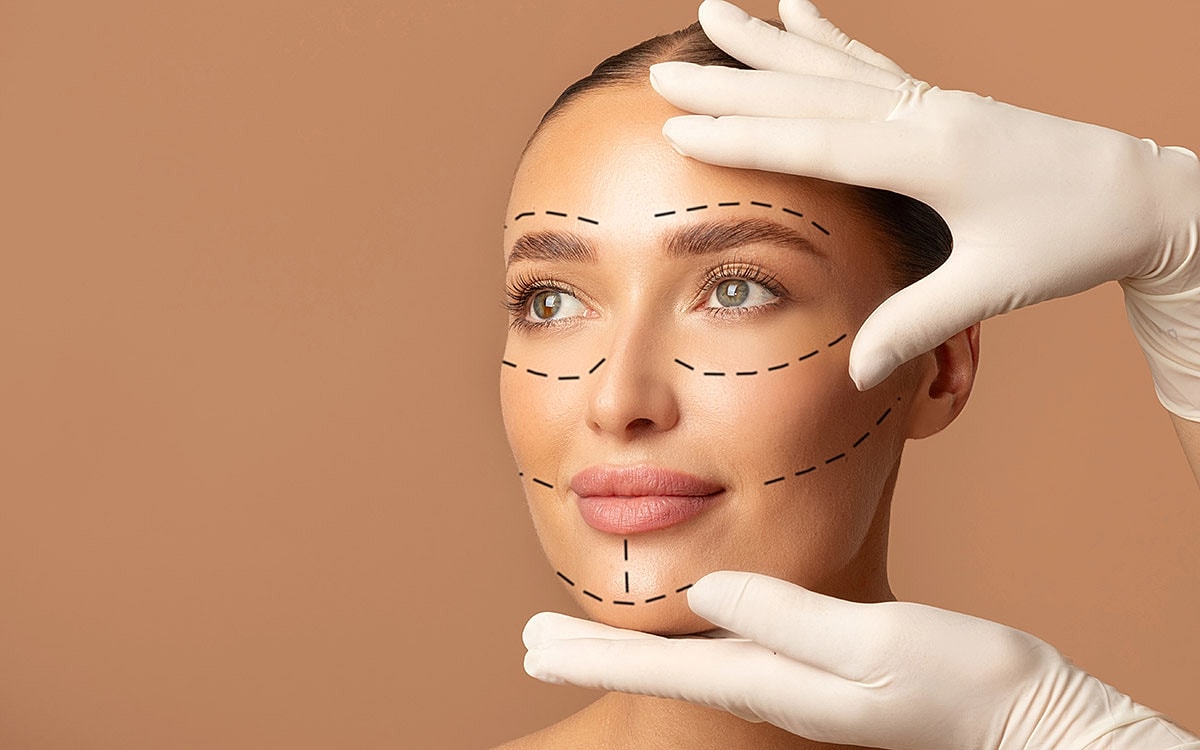

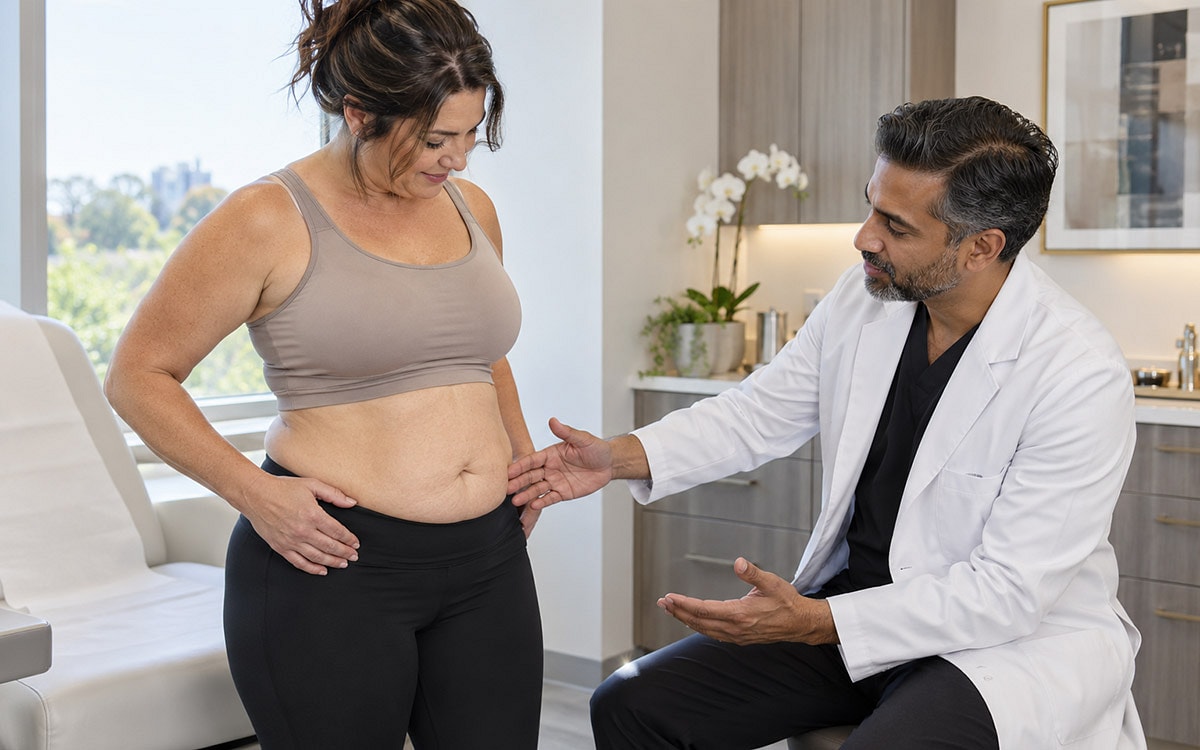
Why an apron belly forms, how it's graded, the problems it causes, and every surgical option to remove it.
An apron belly, or pannus, is a fold of skin and fat that hangs from the lower abdomen. It often appears after major weight loss, pregnancy, or aging. Diet and exercise can reduce fat and build muscle, but they can't remove stretched skin. Surgery removes it, and the right procedure depends on how far the pannus hangs and whether excess skin wraps around your sides.
Losing a significant amount of weight is a real accomplishment. Yet many people reach their goal and find something they didn't expect: a fold of skin hanging over the lower abdomen that won't shrink no matter how much they exercise. That fold is often called an apron belly.
You're far from alone. As more people lose weight with bariatric surgery or GLP-1 medications, the American Society of Plastic Surgeons notes that skin often doesn't snap back after rapid weight loss. Many of its member surgeons report rising consultation requests for skin removal.
This guide explains what an apron belly is, why it forms, how surgeons grade it, and every surgical option for removing it. It reflects the approach of board-certified plastic surgeon Dr. Siamak Agha, a post-bariatric specialist in Newport Beach.
What Is an Apron Belly (Pannus)?
An apron belly is a fold of excess skin and fat that hangs down from the lower abdomen, sometimes covering the pubic area or upper thighs. The medical term is pannus. According to Cleveland Clinic, "pannus" and "apron" describe the same thing.
Apron Belly vs. Belly Fat
Belly fat sits under the skin and within the abdomen, and it shrinks with weight loss. An apron belly is different. It's a hanging fold made largely of loose, stretched skin along with some fat. That's why it often remains even after you've lost weight.
Why the Skin Doesn't Bounce Back
Skin contains collagen and elastin, which help it stretch and recoil. Over time, when skin has stretched significantly, those fibers may lose their ability to tighten back. The more weight lost and the longer the skin was stretched, the more likely it was to hang loosely. Learn more about loose skin after weight loss.
What Causes an Apron Belly?
Several factors can lead to an apron belly, and many people have more than one. Cleveland Clinic lists aging, pregnancy, prior surgery, and weight gain or loss among the causes.
Major Weight Loss, Including Bariatric Surgery and GLP-1s
Significant weight loss is the most common cause. Whether it follows bariatric surgery or medications such as semaglutide (Ozempic, Wegovy), the weight loss reveals excess skin that was stretched before. The medication doesn't create the apron belly; the change in body size uncovers it.
Pregnancy
Pregnancy stretches the abdominal skin and muscles, sometimes more than once. The ASPS notes that pregnancy and heredity both contribute to a loose abdomen. For some mothers, the skin never fully tightens again.
Aging, Genetics, and Prior Surgery
Skin naturally loses elasticity with age. Genetics influence how well your skin recovers, and previous abdominal surgery can also affect how the tissue heals and settles.
Apron Belly Grades: How Far the Pannus Hangs
Surgeons often describe an apron belly by how far it hangs. A commonly used grading system runs from grade 1, where the pannus covers the pubic hairline, to grade 5, where it reaches the knees or beyond. Your grade helps guide which surgical approach fits best.
A Commonly Used 1 to 5 Grading System
As described in a 2015 study by Colabianchi and colleagues, the grades are:
- Grade 1: covers the pubic hairline
- Grade 2: covers the entire pubic area
- Grade 3: reaches the upper thigh
- Grade 4: reaches mid-thigh
- Grade 5: reaches the knee or beyond
Why Your Grade Affects Which Procedure Fits
A larger pannus usually means more tissue to remove and occasionally a broader incision pattern. Grade also often relates to how much the apron affects daily life. Your surgeon will consider your grade alongside skin quality, the pattern of loose skin, and your goals.
How far your pannus hangs and whether it wraps around your sides will shape which surgery is best for you.
Health Problems a Hanging Belly Can Cause
A hanging belly isn't always just a cosmetic concern. The skin fold can trap moisture and heat, which can lead to rashes, irritation, and infections. A larger pannus can also make hygiene, movement, and exercise harder.
Intertrigo, Rashes, and Infections
Intertrigo is inflammation that develops where two skin surfaces rub together. According to American Family Physician, moisture and friction drive it, and yeast or bacterial infections can follow. The fold under an apron belly is a common place for it to develop.
Hygiene, Chafing, and Mobility
Cleveland Clinic notes that skin folds can be challenging to clean and dry, and that a pannus can make walking and bending more difficult. Chafing during exercise is common, which can make it harder to stay active.
Back Pain and Swelling in Severe Cases
In more severe cases, the weight of a large pannus can contribute to lower back discomfort. The Colabianchi study also notes that a huge pannus can be associated with lymphedema, a type of fluid swelling. Not every apron belly causes these problems.
Can Diet or Exercise Get Rid of an Apron Belly?
Diet and exercise can reduce fat and strengthen your core, which may make an apron belly look smaller. They can't remove skin that has already stretched. Once the skin has lost its ability to recoil, surgery is the only way to remove it. Healthy habits still matter because they support a safer surgery and longer-lasting results.
What Exercise and Diet Can Do
Strength training builds the abdominal muscles beneath the apron, and good nutrition helps you reach and keep a stable weight. Losing remaining fat can reduce the size of the fold.
Regular activity also improves circulation and overall health, which helps you heal well if you choose surgery later.
The Limits of Creams and Skin-Tightening Devices
Creams can moisturize the skin but can't tighten it in a meaningful way. Energy-based skin-tightening devices may help mild laxity, but they're not designed for the volume of loose skin in an apron belly. For a true pannus, these options are typically insufficient.
Exercise builds muscle under the apron, but no workout can shrink skin that has already stretched.
Surgical Options for Apron Belly Removal
Surgery is the most effective way to remove an apron belly. The right approach depends on your pannus grade, whether loose skin extends to your flanks and back, and whether you also want muscle tightening and contouring. Board-certified plastic surgeon Dr. Siamak Agha evaluates each of these factors before recommending a plan at his Newport Beach practice.
Panniculectomy
A panniculectomy removes the hanging apron of skin and fat from the lower abdomen. It doesn't tighten the abdominal muscles. Because it can address medical problems such as recurring rashes, insurance may cover it when strict criteria are met, though coverage varies by plan. Learn more about how insurers evaluate skin removal surgery.
Tummy Tuck
A tummy tuck removes excess skin and fat and, in most cases, repairs separated abdominal muscles. The ASPS notes that muscle repair is a key part of the procedure. A tummy tuck after weight loss is designed for the unique skin patterns that follow major weight loss.
Extended Tummy Tuck
When loose skin extends around the hips and flanks, an extended tummy tuck uses a longer incision to remove more tissue from the sides. It helps create a smoother transition between the front and sides of the body.
Fleur-de-Lis Tummy Tuck
Some patients have excess skin both vertically and horizontally, especially after massive weight loss. A fleur-de-lis tummy tuck adds a vertical incision to the traditional horizontal one, so the surgeon can tighten the abdomen in both directions. It leaves an additional vertical scar, which your surgeon will discuss with you.
Lower Body Lift
When loose skin wraps all the way around the torso, a lower body lift addresses the abdomen, flanks, back, and buttocks together. Dr. Agha has performed more than 500 body lifts and has written extensively on surgery after weight loss, which makes him well suited to complex post-bariatric cases.
Are You Ready? Weight Stability and Candidacy
Timing plays a big role in safety and results. Surgeons generally want your weight to be stable before removing an apron belly, because further weight loss or gain can change the outcome.
Why Your Weight Needs to Hold Steady First
Cleveland Clinic recommends that panniculectomy candidates keep a steady weight for at least six months. After bariatric surgery, your surgeon may recommend waiting longer.
The ASPS also advises postponing a tummy tuck if you plan to lose more weight or become pregnant.
Smoking, Health, and Realistic Expectations
Good candidates are in excellent overall health and don't smoke, since smoking slows healing. It also helps to have realistic expectations. Surgery removes the apron and improves contour, but it leaves scars, and results last best with a stable weight.
The Bottom Line on Apron Belly Surgery
An apron belly is common after major weight loss, pregnancy, or aging, and it often causes real discomfort. Exercise can't remove stretched skin, but surgery can. The right procedure depends on your pannus grade, your skin pattern, and your goals.
Ready to find out if apron belly surgery is right for you? Schedule a consultation with board-certified plastic surgeon Dr. Siamak Agha at The One Plastic Surgery Center in Newpor Beach to discuss your goals and options.
Frequently Asked Questions
Will an apron belly go away on its own?
Usually not. Losing more fat may make the fold slightly smaller, but stretched skin generally doesn't tighten back on its own. Surgery is the most reliable way to remove an apron belly once the skin has lost its elasticity.
Can you get an apron belly after Ozempic or other GLP-1 medications?
Yes. Significant weight loss from GLP-1 medications can reveal excess skin, including an apron belly. The medication itself doesn't cause it; the change in body size uncovers skin that was previously stretched.
What grade of apron belly has to be for surgery?
There's no single grade required for surgery. Surgeons consider how far the pannus hangs, the symptoms it causes, your skin quality, and your goals. A consultation is the best way to learn which procedure fits your situation.
Is a pannus dangerous?
A pannus isn't dangerous on its own, but it can lead to problems such as rashes, skin infections, hygiene difficulties, and trouble moving. In severe cases, it may contribute to back discomfort or swelling. Let your doctor know about any recurring skin problems.
How long should my weight be stable before abdominal surgery?
Many surgeons recommend a stable weight for at least six months before surgery, and sometimes longer after bariatric surgery. Your surgeon will confirm the right timing based on your health and weight-loss journey.
Medical disclaimer: This article is for educational purposes only and is not medical advice. Results and candidacy vary by patient, and a consultation with a qualified plastic surgeon is required to determine which apron belly procedure is right for you.