

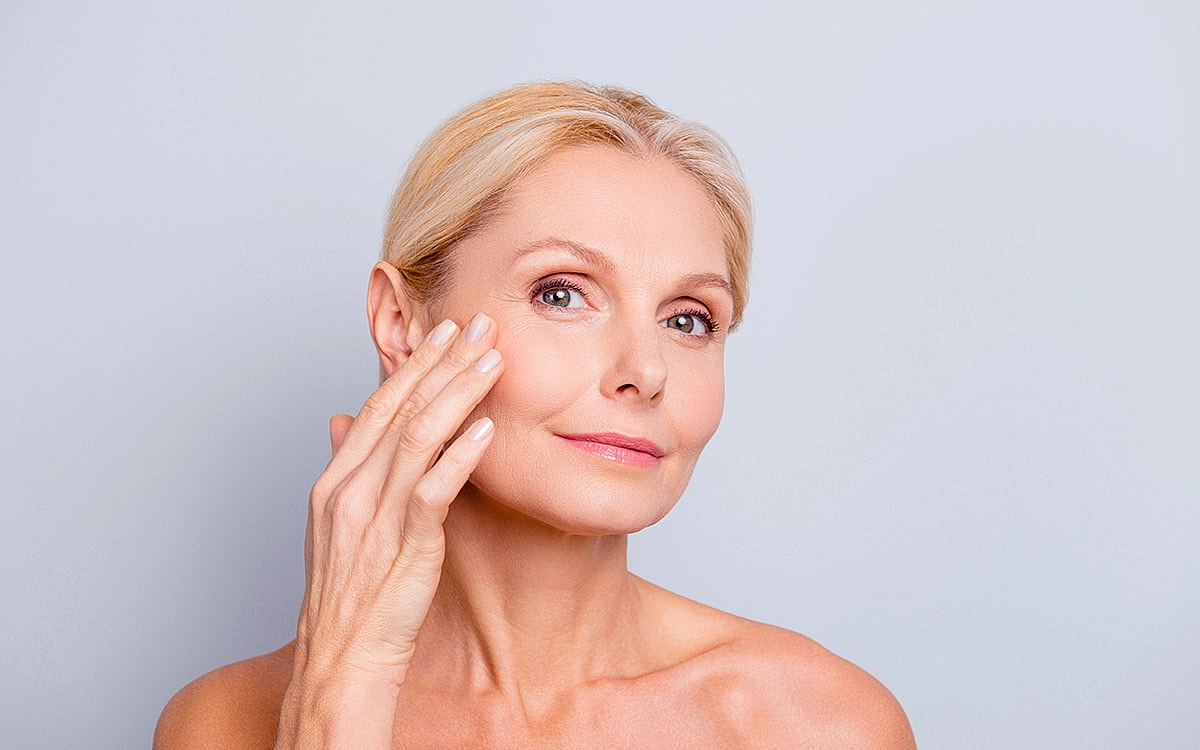
Why loose skin happens after major weight loss, what can improve elasticity, and when surgical skin tightening may be the best option.
Losing a significant amount of weight is a major achievement, whether through diet and exercise, bariatric surgery, or newer GLP-1 medications like Ozempic and Wegovy. Many patients expect to feel completely transformed once they reach their goal weight, but for some, the excitement can be mixed with frustration when loose or sagging skin remains.
While the number on the scale may finally reflect years of hard work, excess skin can keep people from fully enjoying their results.
For many individuals, skin laxity becomes one of the most unexpected parts of the weight-loss journey. Areas like the abdomen, arms, thighs, neck, breasts, and face may not “bounce back” the way patients hoped. Clothing may fit differently, physical discomfort can develop, and confidence may still feel incomplete despite dramatic weight loss success.
Understanding why skin loosens after weight loss and what options exist to improve firmness is an important part of setting realistic expectations. At The One Plastic Surgery in Newport Beach, board-certified plastic surgeon Dr. Siamak Agha helps patients navigate post-weight-loss body contouring with personalized treatment plans designed to restore shape, comfort, and natural-looking results.
Weight loss changes your body, but skin quality often determines how fully those results show.
Why Loose Skin Happens After Weight Loss
Skin is incredibly elastic, but it does have limits. When the body carries excess weight for years, the skin stretches to accommodate increased fat volume. Over time, important structural proteins such as collagen and elastin weaken. These proteins are responsible for keeping skin firm, smooth, and able to retract after stretching.
Once significant weight loss occurs, especially rapidly, the skin may no longer have the ability to shrink back to fit the body’s new contours. This is particularly common after losing 50 pounds or more, although even moderate weight loss can leave behind areas of looseness depending on a person’s age, genetics, and skin condition.
Several factors influence how much loose skin develops after weight loss:
- Amount of Weight Lost: Generally, the more weight someone loses, the greater the chance of excess skin. Patients who lose over 100 pounds frequently experience skin laxity in multiple body areas.
- Speed of Weight Loss: Rapid weight loss often gives the skin less time to gradually adapt. This is one reason why patients using GLP-1 medications sometimes notice facial volume loss and skin sagging earlier than expected.
- Age: As we age, collagen production naturally slows. Younger skin often retains more elasticity, while mature skin may struggle to retract after stretching.
- Genetics: Some individuals naturally have stronger skin elasticity than others. Genetics can play a major role in determining how skin responds after weight changes.
- Smoking and Sun Exposure: Both smoking and chronic sun damage accelerate collagen breakdown, weakening skin quality over time.
Even healthy lifestyle habits cannot always reverse stretched skin once elasticity has been compromised.
Can Skin Tighten Naturally After Weight Loss?
A common question patients ask is whether loose skin will eventually improve on its own. The answer depends on the degree of skin laxity and how much collagen remains in the tissue.
In cases of mild weight loss, especially among younger patients, skin may continue tightening naturally for six months to two years after reaching a stable weight. Maintaining hydration, eating protein-rich foods, strength training, and avoiding smoking can all support healthier skin function during this period.
Building muscle through exercise may also improve the appearance of mild looseness by filling out some areas beneath the skin. However, muscle cannot eliminate stretched skin tissue.
Patients should understand that while creams, supplements, and skin-tightening products are often marketed aggressively, most have very limited effects when dealing with moderate to severe excess skin.
Non-surgical skin tightening treatments can sometimes help improve mild laxity, particularly in the face, neck, or smaller body areas. However, when skin has significantly stretched and lost elasticity, surgery often becomes the most effective solution.
Loose skin is not a reflection of failed weight loss. For many patients, it is simply the final stage of body transformation.
Areas Most Commonly Affected by Loose Skin
After substantial weight loss, certain areas tend to show skin laxity more noticeably than others.
Abdomen
The stomach is one of the most common areas where patients experience loose skin. Hanging tissue, wrinkling, and weakened abdominal muscles can make clothing fit awkwardly and create discomfort during exercise.
A tummy tuck, or abdominoplasty, may help remove excess skin while tightening abdominal muscles for a flatter, firmer contour.
Arms
Loose skin under the upper arms, often called “bat wings,” becomes especially noticeable after weight loss. Many patients feel self-conscious wearing sleeveless clothing or exercising in public.
Arm lift surgery can reshape this area by removing excess tissue and creating more definition.
Thighs
The inner thighs commonly experience sagging after major weight loss. Excess skin here can cause irritation, chafing, and difficulty finding properly fitting clothing.
A thigh lift may improve contour and comfort.
Face and Neck
Rapid weight loss, especially with GLP-1 medications, has increased discussions around facial hollowing and neck laxity. Some patients notice more jowling, drooping skin, or an aged appearance after losing volume in the face.
Customized facial procedures, fat transfer, or facelifts may restore youthful balance while preserving natural-looking features.
Breasts and Chest
Significant weight fluctuations may also leave breasts looking deflated or sagging due to volume loss and stretched skin.
Depending on goals, patients may consider breast lift procedures, augmentation, or a combined approach.
When Surgery May Be the Best Option
For patients dealing with moderate to severe excess skin, surgery often provides the most dramatic and lasting improvement.
The goal of post-weight-loss body contouring is not perfection. Instead, surgery aims to improve body proportions, eliminate discomfort, and help patients better enjoy the results they worked so hard to achieve.
Timing matters. Most surgeons recommend patients maintain a stable weight for several months before moving forward with skin-tightening surgery. This helps improve long-term outcomes and minimizes the chance of future weight fluctuations affecting results.
At The One Plastic Surgery, Dr. Siamak Agha takes a highly customized approach to post-weight-loss procedures because no two patients experience loose skin in the same way. Some individuals may benefit from a tummy tuck alone, while others may be candidates for more comprehensive body contouring procedures targeting multiple areas.
Patients often feel surprised by how much confidence improves after finally addressing loose skin concerns. Clothing fits better, exercise becomes more comfortable, and body proportions begin to align more closely with how they imagined themselves after losing weight.
Why Personalized Surgical Planning Matters
Post-weight-loss body contouring is rarely uniform. Skin quality, anatomy, scarring concerns, and long-term goals all play a role in determining the best treatment plan.
Board-certified plastic surgeon Dr. Siamak Agha, founder of The One Plastic Surgery in Newport Beach, emphasizes individualized surgical planning designed around each patient’s anatomy and desired outcome. Rather than creating overly tight or unnatural results, the focus is on restoring harmony, proportion, and confidence.
Patients who have undergone dramatic weight loss often have unique surgical considerations, including skin fragility, nutritional balance, and healing concerns. An experienced surgeon understands how to tailor treatment safely while maximizing natural-looking outcomes.
Whether concerns involve the abdomen, face, neck, arms, or multiple areas at once, customized planning often leads to smoother recovery and more satisfying long-term results.
FAQs About Skin Tightening After Weight Loss
Will loose skin go away completely on its own?
Mild skin laxity may improve naturally over time, particularly in younger patients. However, moderate to severe loose skin often does not fully retract without surgical intervention.
How long should I wait after weight loss before surgery?
Most surgeons recommend maintaining a stable weight for at least three to six months before considering body contouring procedures.
Can exercise tighten loose skin?
Exercise can improve muscle tone and overall body composition, but it cannot remove stretched skin tissue.
Does Ozempic cause loose skin?
Ozempic itself does not directly cause loose skin. However, rapid weight loss associated with GLP-1 medications may make sagging skin more noticeable.
Am I a candidate for post-weight-loss surgery?
Ideal candidates are generally near their goal weight, in excellent health, and have maintained a stable weight before surgery.
Transforming Weight Loss Results With Personalized Care
Losing weight takes commitment, discipline, and determination. If excess skin is preventing you from fully enjoying your transformation, you are not alone. Understanding skin tightening options can help patients feel more confident about the next step in their journey.
At The One Plastic Surgery, board-certified plastic surgeon Dr. Siamak Agha provides personalized consultations for patients seeking natural-looking body contouring and skin tightening after weight loss. Whether you are considering a tummy tuck, facelift, or customized post-weight-loss procedure, expert guidance can help you feel more comfortable and confident in your results.
Recent Post
-

Mini vs. Full Tummy Tuck: Which Option Is Right for You?
-

How a Tummy Tuck Can Strengthen Your Core and Confidence
-

Tummy Tuck 2026: What’s New in Abdominal Contouring
-

Mini Tummy Tuck vs. Full Tummy Tuck: Understanding the Difference
-

The Ultimate Mommy Makeover Guide: Restoring Confidence After Motherhood