
CoolSculpting Newport Beach patients ask about is a non-surgical fat-freezing treatment (cryolipolysis) that reduces stubborn, diet-resistant fat pockets by roughly 20 to 25 percent per treated area. It is not a weight-loss tool and does not tighten skin. Good candidates are near their goal weight with localized bulges and firm skin. Patients with more significant excess fat, loose skin, or larger-volume goals usually benefit more from liposuction.
You've done the work: months of clean eating, consistent workouts, maybe a doctor-supervised plan, and that stubborn pocket of fat along your flanks or under your chin still hasn't budged. If you're researching CoolSculpting in Newport Beach, you're probably standing in front of a mirror right now, pinching that area and wondering whether a non-surgical treatment can actually help or whether you'd be spending money on something that won't make a visible difference.
That question deserves an honest answer, not a marketing one. CoolSculpting has helped many patients get past a specific, localized problem area without surgery, but it isn't a substitute for weight loss and it isn't a fix for every fat or skin concern. At The One Plastic Surgery Center in Newport Beach, CoolSculpting is offered alongside a broader menu of body contouring options, so patients can be matched with the treatment that actually fits their anatomy. This guide covers how the technology works, what it can realistically deliver, who tends to be a good fit, and when liposuction is the better next step.
How CoolSculpting Actually Works
Quick take: CoolSculpting uses controlled cooling to damage fat cells in a targeted area without harming the skin above them, a process called cryolipolysis.
Fat cells are more sensitive to cold injury than the skin, muscle, and other tissue around them.
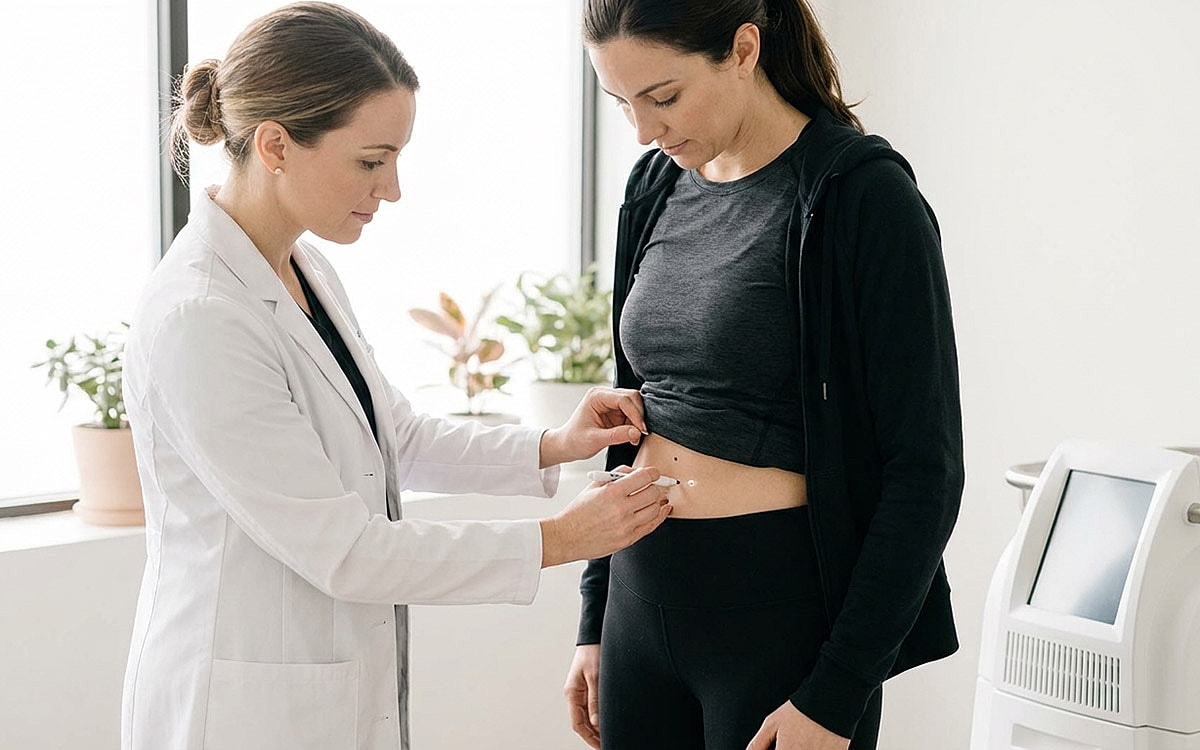
During treatment, an applicator draws the pinchable fat between two cooling panels and holds it at a precise freezing temperature for roughly 35 minutes to an hour per area. According to the American Society of Plastic Surgeons, this controlled cold triggers a natural cell-death process in the fat, while the skin and surrounding structures are left unharmed. The body then gradually clears the damaged fat cells over the following weeks.
- The applicator targets a specific pocket of fat, such as the abdomen, flanks, or under the chin
- Cooling is applied for about 35 to 60 minutes per treated area
- Fat cell breakdown continues for weeks after the appointment, not immediately
CoolSculpting doesn't melt fat immediately. It sets off a process your body finishes over the following months.
What CoolSculpting Can Realistically Do
Quick take: CoolSculpting can meaningfully reduce a stubborn pocket of fat in a treated area, but the change is gradual and moderate, not a dramatic overnight transformation.
The FDA has cleared cryolipolysis devices for treating visible fat bulges in areas like the abdomen, flanks, thighs, upper arms, and under the chin, and the agency reviews the safety and effectiveness data behind each cleared body site before it reaches patients, according to the FDA's overview of non-invasive body contouring technologies. In the treated area, patients typically see a fat reduction in the range of 20 to 25 percent, developing over roughly one to three months as the body processes the damaged cells, per guidance from Mayo Clinic Health System.
- Results build gradually, with visible change often noticeable around 4 to 8 weeks
- Full results generally show by 3 to 4 months after treatment
- Multiple sessions in the same area may be recommended for additional reduction
- Results are meant to be long-lasting for the fat cells that are eliminated, assuming stable weight afterward
What CoolSculpting Can't Do
Quick take: CoolSculpting is not a weight-loss treatment, does not tighten loose or sagging skin, and is not designed for large-volume fat removal.
This is the part patients researching CoolSculpting Newport Beach options most often misunderstand. It's a body contouring treatment for a specific, stubborn pocket of fat, not a solution for excess weight or skin laxity. Mayo Clinic is direct about this limitation, noting the procedure is not a treatment for obesity and only affects small, localized pockets of fat rather than helping someone lose weight overall.
- It will not tighten loose or crepey skin left behind after major weight loss
- It is not intended to replace diet, exercise, or a broader weight-management plan
- It is not designed to remove large volumes of fat across multiple areas at once
- A rare side effect called paradoxical adipose hyperplasia, where treated fat unexpectedly enlarges instead of shrinking, has been reported and typically requires surgical correction
The honest goal of CoolSculpting is refinement of one stubborn area, not a total-body transformation.
Are You a Good Candidate for CoolSculpting?
Quick take: The best candidates are close to their goal weight, dealing with a specific pocket of fat, and have firm, elastic skin rather than significant looseness.
CoolSculpting tends to work best as a refinement tool rather than a starting point for major body change. Patients who are already active and eating well but can't seem to shift one particular area, a little pooch below the belly button, love handles that show under fitted clothes, or a soft area under the chin are often the ideal fit. Board-certified plastic surgeon Dr. Siamak Agha oversees the medical protocols behind treatments offered at The One Plastic Surgery Center, so even a non-surgical service like CoolSculpting is delivered within a surgeon-led practice rather than a stand-alone spa with no medical backing.
You may be a reasonable candidate if:
- You are at or near a stable, healthy weight already
- You have one or two specific areas of pinchable fat that diet and exercise haven't resolved
- Your skin in the treatment area still has good elasticity and tone
- You understand the results are gradual and moderate, not immediate or dramatic
- You're looking for a lower-commitment entry point before considering surgery
You may not be a suitable candidate if you have a higher BMI with fat spread broadly across the body, significant loose or sagging skin, or you're expecting the kind of dramatic, single-session change that only a surgical procedure can achieve.
When Liposuction Might Be the Better Fit Instead
Quick take: Liposuction remains the more effective option for larger fat volumes, multiple treatment areas in one session, and more precise, sculpted contouring.
Both treatments target stubborn fat, but they work in fundamentally different ways and are suited to different patients. Liposuction physically removes fat through a cannula during a single surgical session, which allows for a more substantial, more immediate, and more customizable change to body contour. As the American Society of Plastic Surgeons explains, liposuction is the leading surgical option for removing excess subcutaneous fat, while cryolipolysis is better suited to patients seeking a less invasive, lower-commitment option for smaller, localized areas.
Consider liposuction instead of CoolSculpting if:
- You have a larger volume of excess fat rather than one small pocket
- You want more than one area addressed thoroughly in a single procedure
- You have mild to moderate skin laxity that could benefit from being addressed at the same time
- You want a surgeon shaping the final contour with more precision than a fixed applicator allows
- You're comfortable with a short surgical recovery in exchange for a more dramatic result
A consultation is really the only reliable way to know which category you fall into, since body type, skin quality, and goals vary so much from patient to patient.
What to Expect During and After a CoolSculpting Session
Quick take: Most patients tolerate CoolSculpting well, with an in-office appointment, minimal downtime, and temporary side effects like numbness, redness, or swelling in the treated area.
Because there are no incisions or needles involved, most patients don't need anesthesia, though a topical numbing option can help those who are more sensitive to the initial cold sensation. During the session, it's common to feel intense cold, pulling, or pinching for the first several minutes before the area goes numb.
- During treatment: cold sensation, pulling, or pinching for roughly the first 5 to 10 minutes, then numbness
- Immediately after: redness, mild swelling, firmness, or tingling in the treated area is common
- First few days: some numbness or sensitivity may persist as the area settles
- Weeks 4 to 8: gradual, visible reduction typically begins to appear
- Months 2 to 3: most of the final result in the treated area is visible
Most patients return to normal activities the same day, which is part of why CoolSculpting appeals to people who want a lower-commitment option before deciding whether they're ready for surgery. You can see typical treatment areas and session details on the practice's CoolSculpting page.
Choosing Where You Get CoolSculpting Done
Quick take: Because CoolSculpting is a medical device treatment with real, if uncommon, risks, it should be performed at a practice with genuine medical oversight, not a walk-in kiosk.
Not all providers are equal. Proper applicator placement, cycle timing, and screening for patients at higher risk for side effects like paradoxical adipose hyperplasia all matter for safety and results. A practice built around board-certified plastic surgery tends to bring a more rigorous standard of evaluation to a non-surgical treatment like this one.
- Ask who supervises the medical protocols and how technicians are trained
- Ask how candidacy is assessed before you're scheduled for treatment
- Ask what happens if you experience an uncommon side effect afterward
- Ask whether the practice can also discuss surgical options if CoolSculpting isn't right for your goals
Medical Disclaimer
Results and candidacy for CoolSculpting vary from patient to patient based on individual anatomy, skin quality, and goals. This article does not guarantee specific outcomes. An in-person consultation is required to determine whether CoolSculpting, liposuction, or another option is right for you.
The Bottom Line
CoolSculpting can be a genuinely useful, low-commitment way to address one stubborn area of fat, especially for patients already close to their goal physique who want to avoid surgery. It is not a weight-loss plan, a skin-tightening treatment, or a substitute for liposuction when the goal involves a larger fat volume or noticeable skin laxity. The most reliable way to know which category you fall into is a real conversation about your anatomy and goals, not a generic online quiz.
Ready to find out if CoolSculpting is right for you? Schedule a consultation with board-certified plastic surgeon Dr. Siamak Agha at The One Plastic Surgery Center in Newport Beach to discuss your goals and options.
Frequently Asked Questions
How much fat does CoolSculpting actually remove?
Most patients see approximately a 20 to 25 percent reduction in fat thickness within the treated area, developing gradually over about one to three months. Results vary by patient and treatment area, and some patients choose a second session for additional reduction.
Is CoolSculpting painful?
Most patients describe intense cold, pulling, or pinching for the first several minutes, which fades to numbness. Mild soreness, redness, or tingling can follow for a few days, but significant pain is uncommon.
How is CoolSculpting different from liposuction?
CoolSculpting is a non-surgical treatment that gradually reduces fat in a targeted area using controlled cooling, with no incisions or downtime. Liposuction is a surgical procedure that physically removes fat in a single session and can address larger volumes and multiple areas more precisely but involves recovery time.
Will CoolSculpting tighten my skin?
No. CoolSculpting is designed to reduce fat volume, not to tighten loose or sagging skin. Patients with notable skin laxity usually benefit more from a surgical option that can address the skin directly.
How many CoolSculpting sessions will I need?
It depends on the size of the area and your goals. Some patients see enough change from a single session, while others choose a second treatment in the same area for further reduction. This decision is best determined during a consultation.
Recent Post
-

Mini vs. Full Tummy Tuck: Which Option Is Right for You?
-

How a Tummy Tuck Can Strengthen Your Core and Confidence
-
Tummy Tuck 2026: What’s New in Abdominal Contouring
-
Mini Tummy Tuck vs. Full Tummy Tuck: Understanding the Difference
-

The Ultimate Mommy Makeover Guide: Restoring Confidence After Motherhood