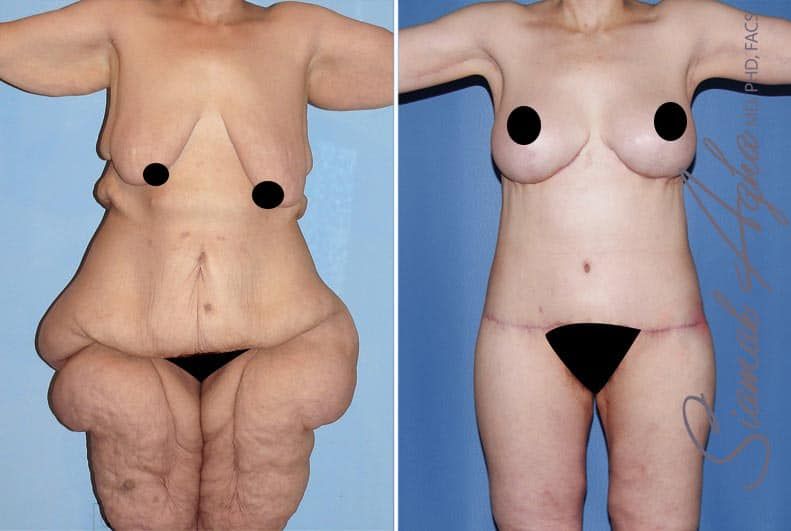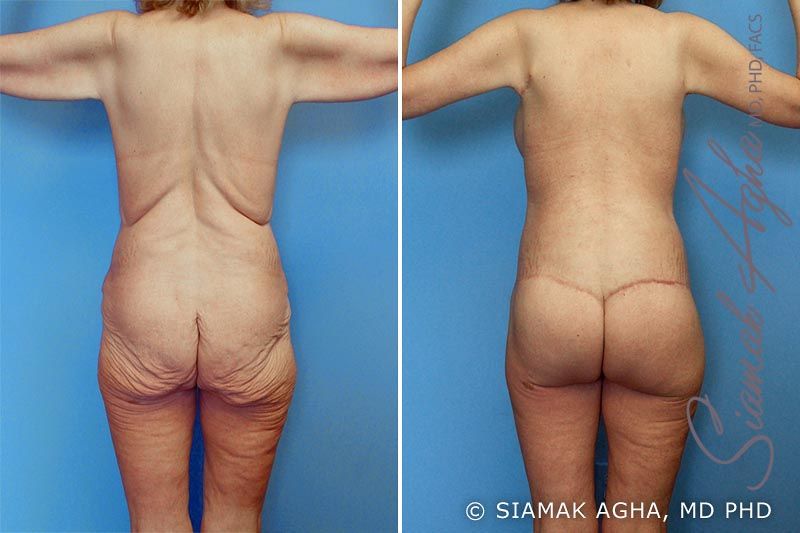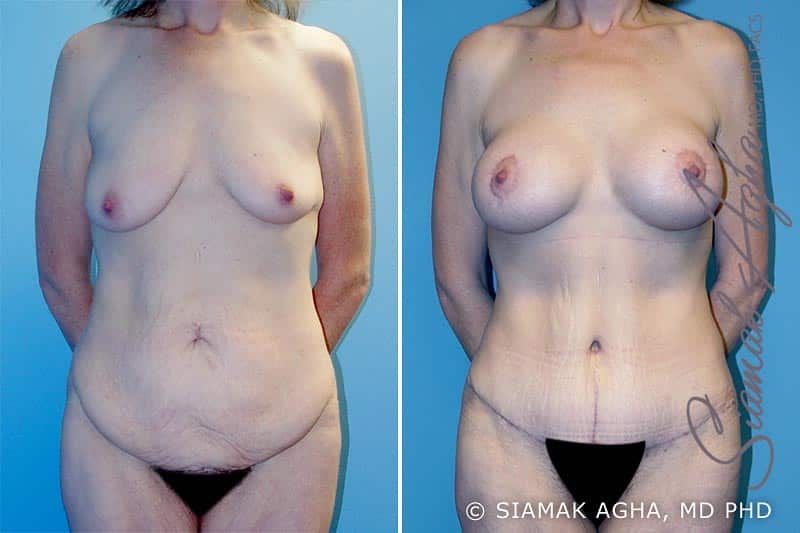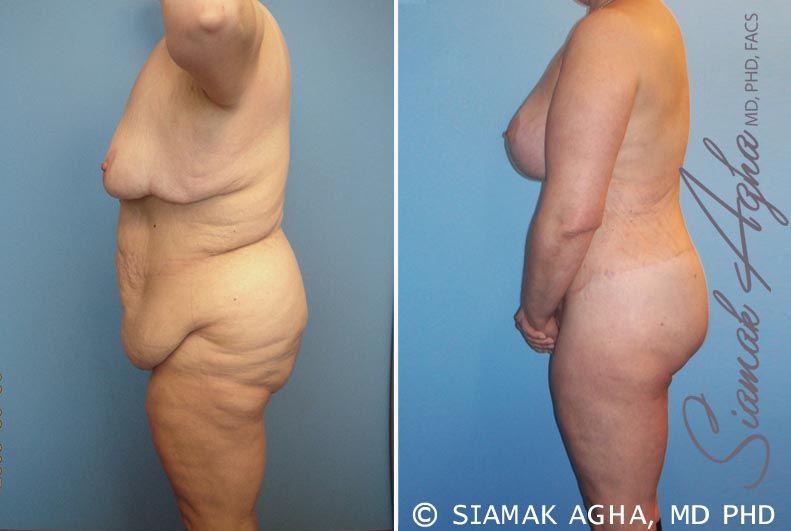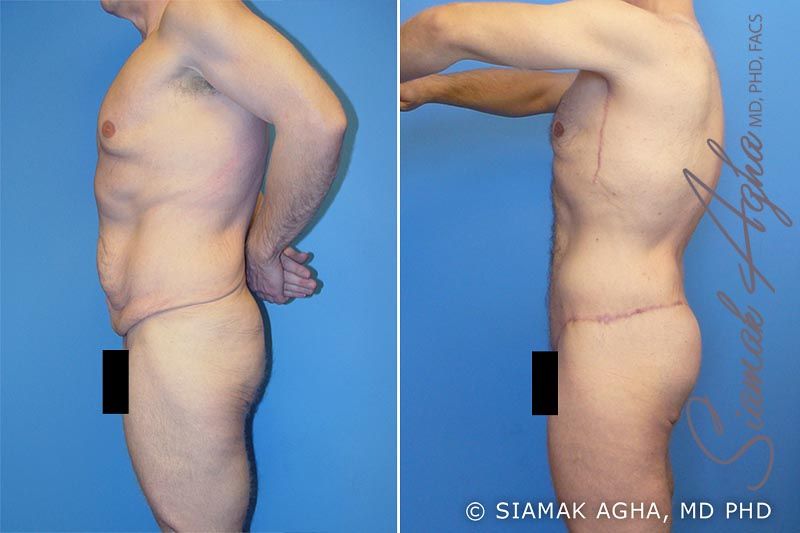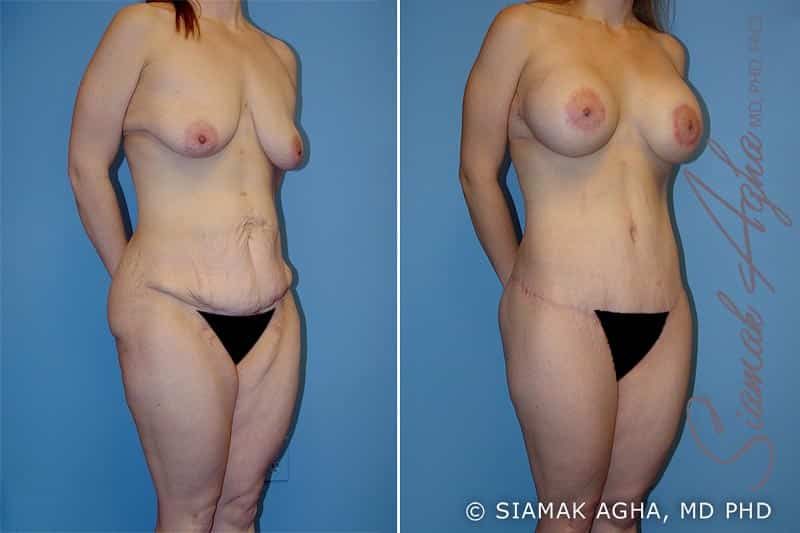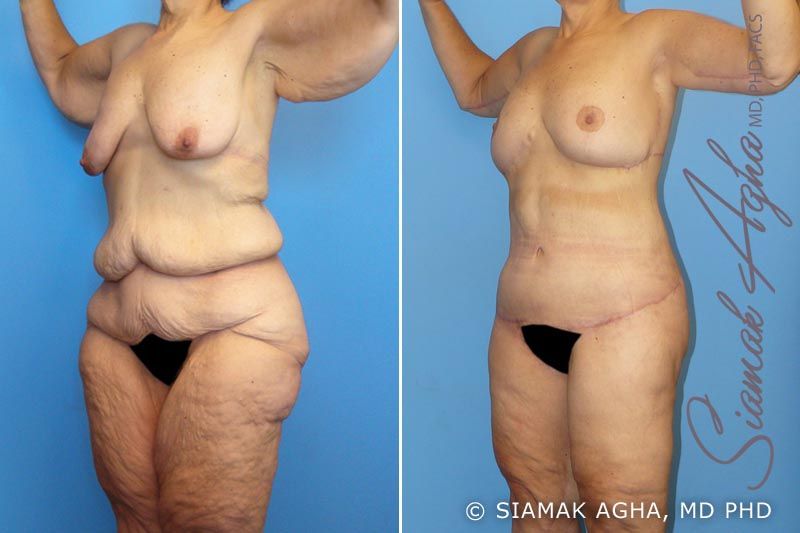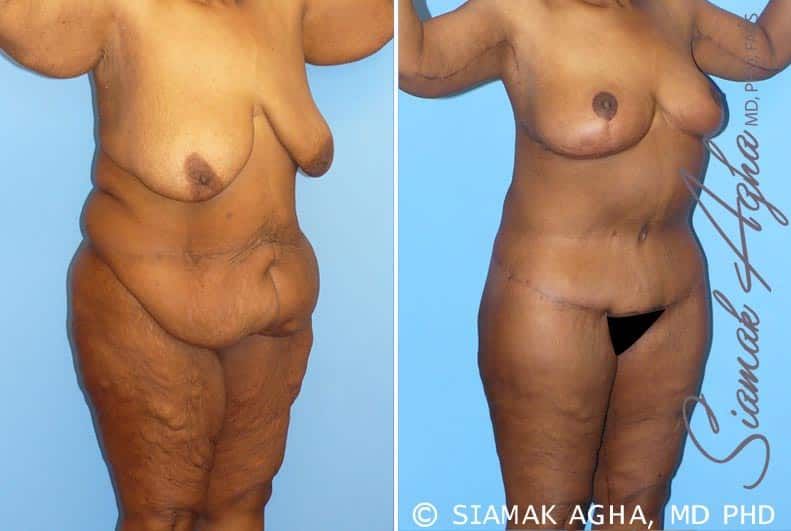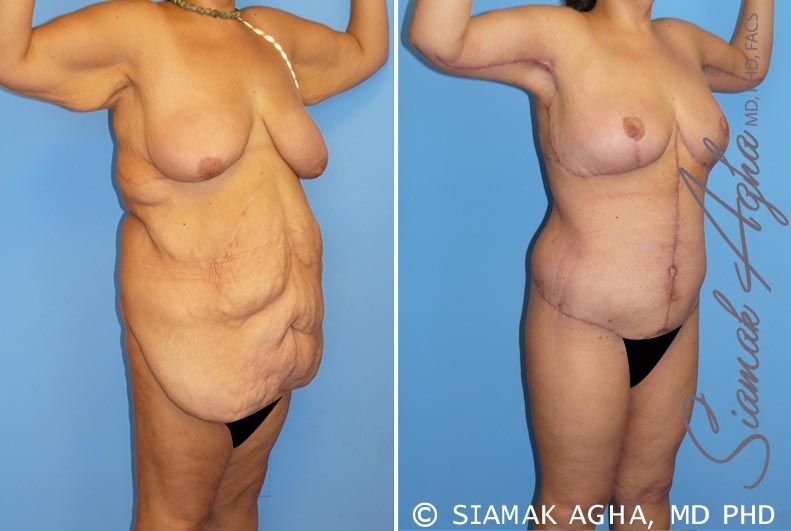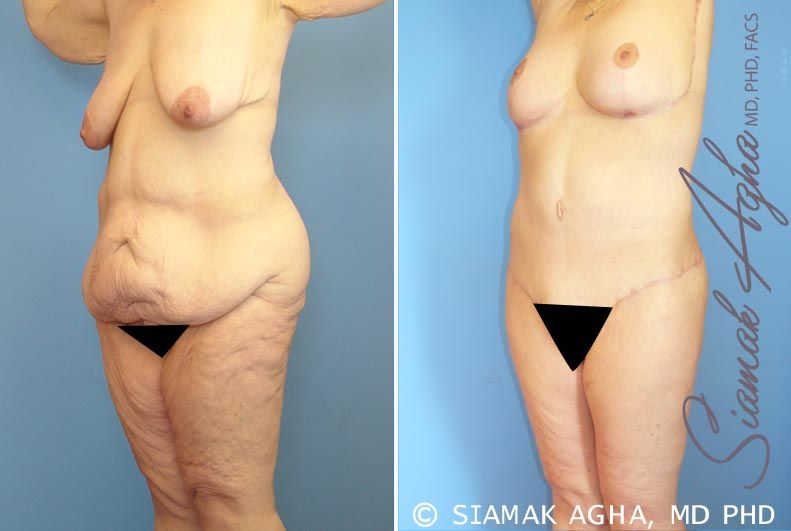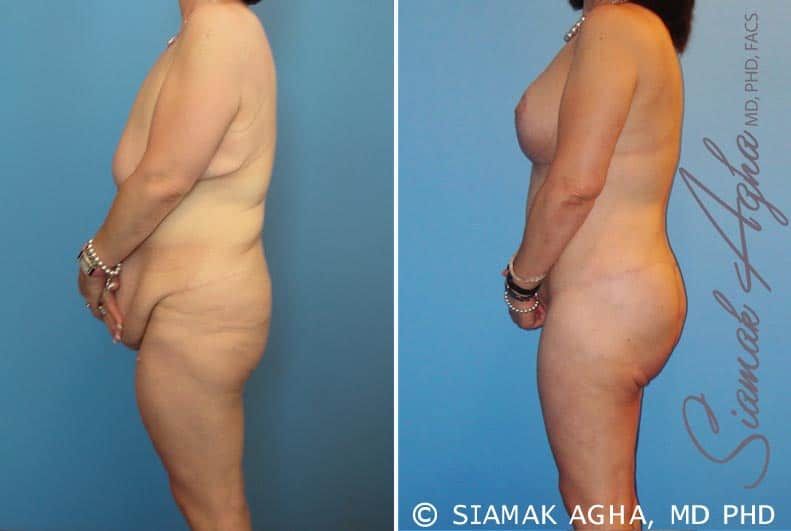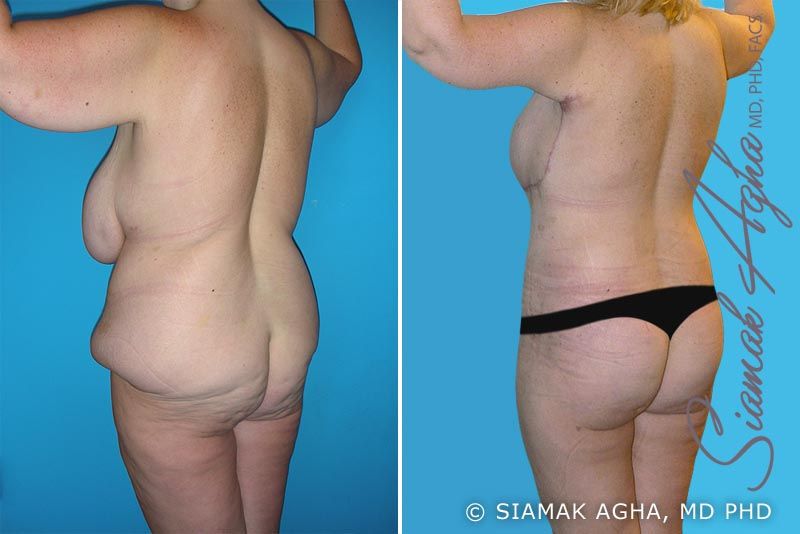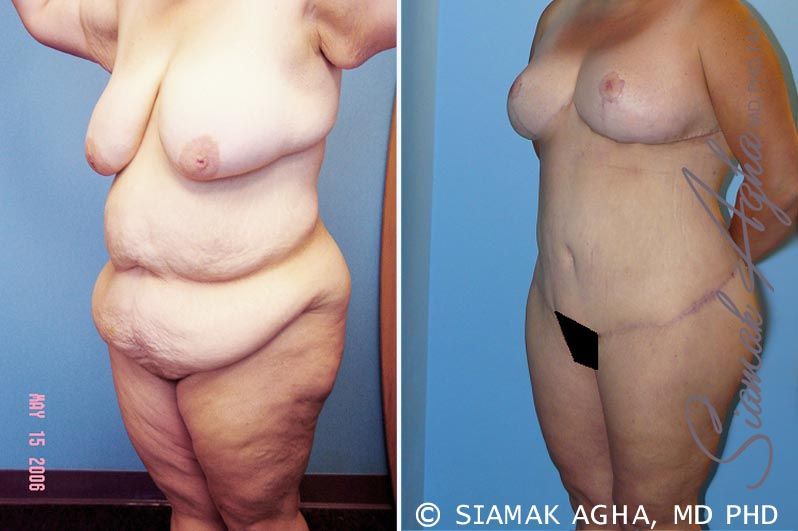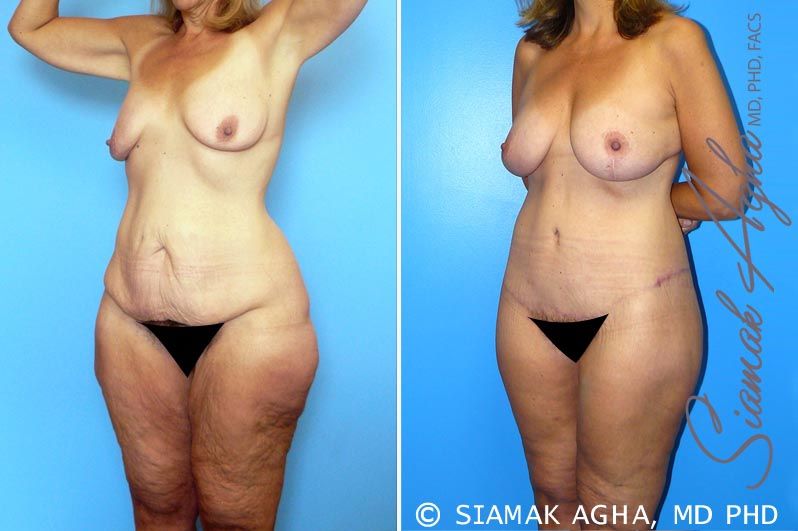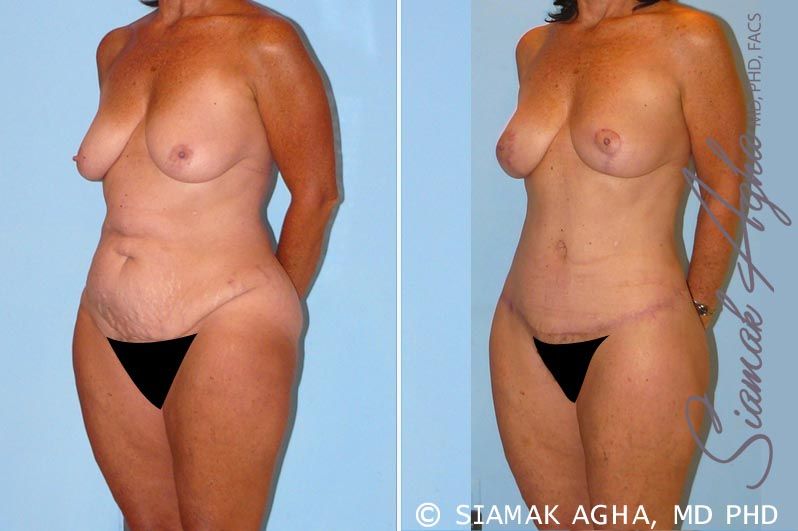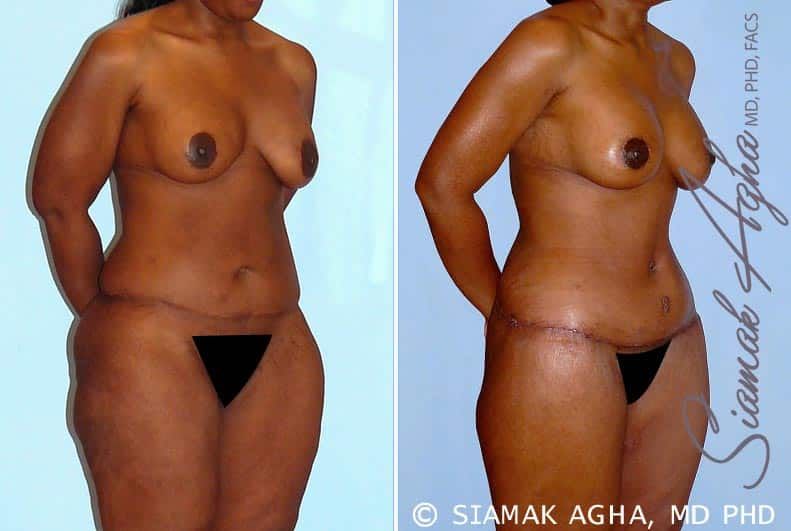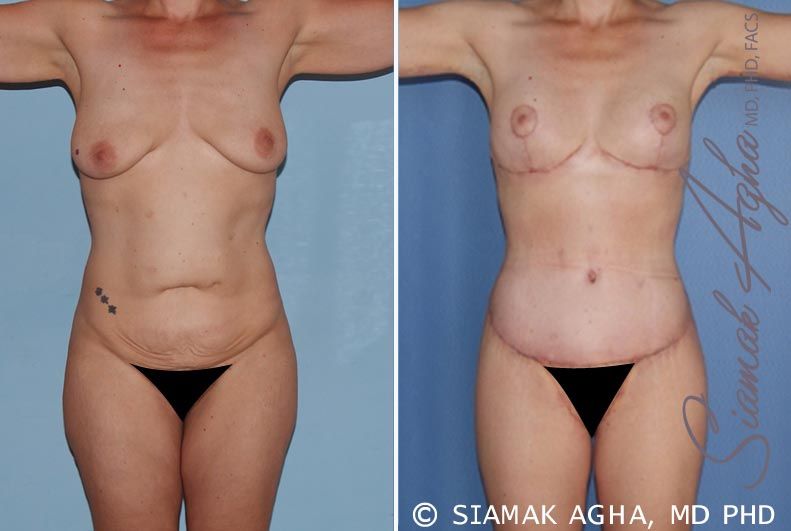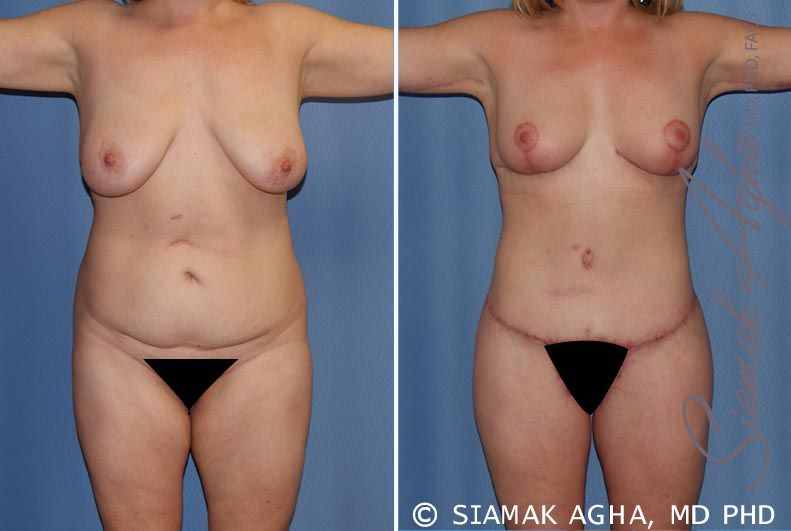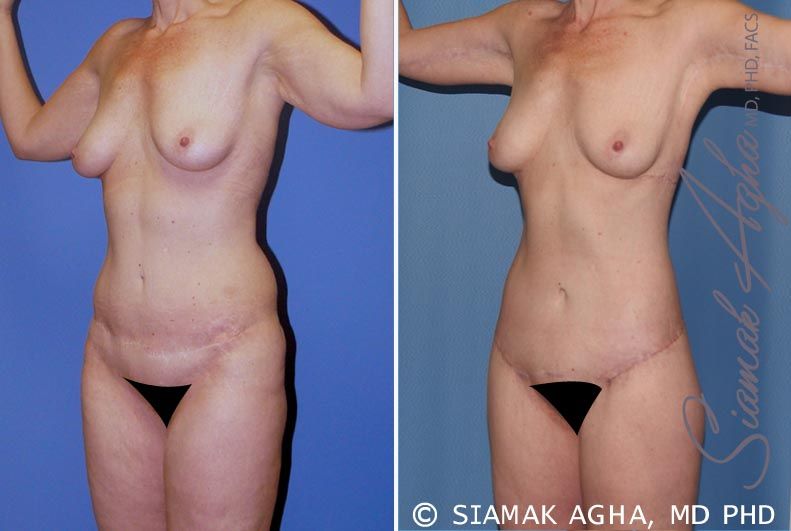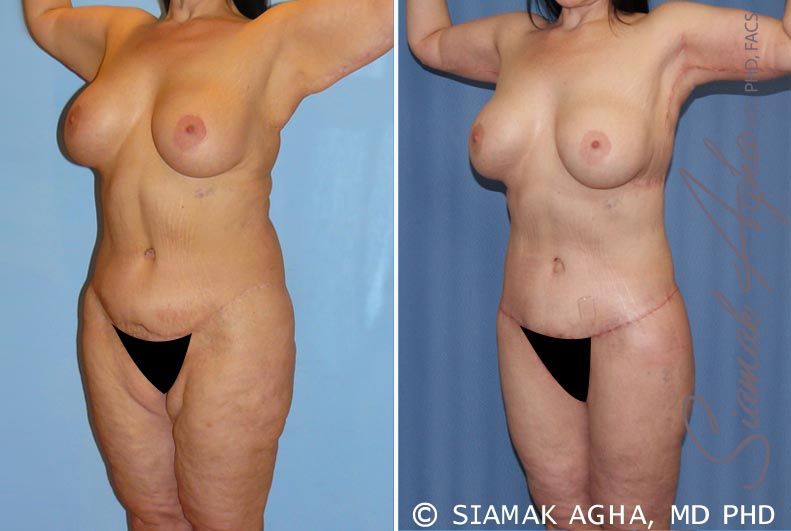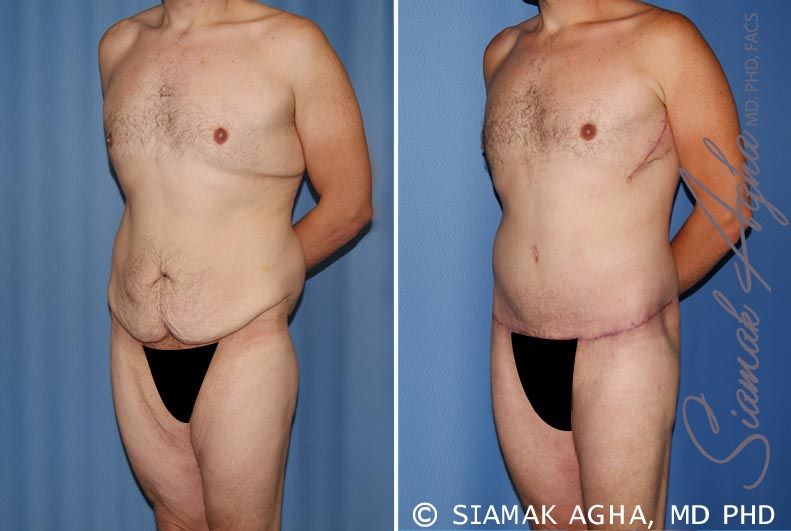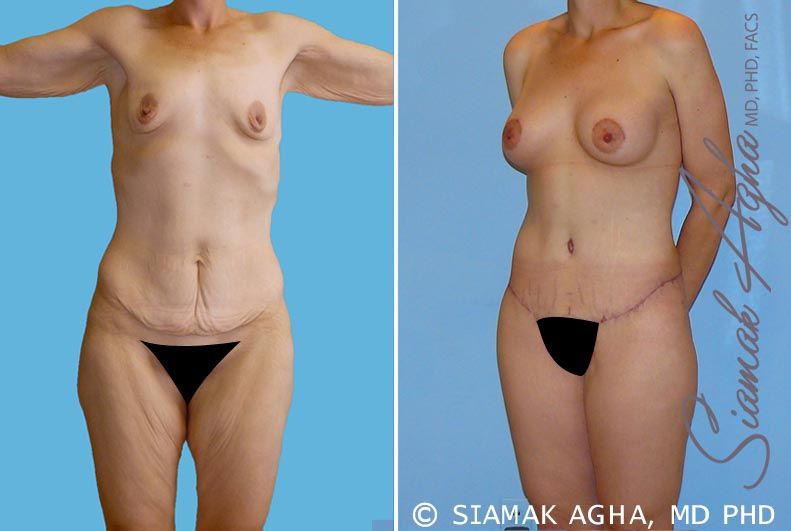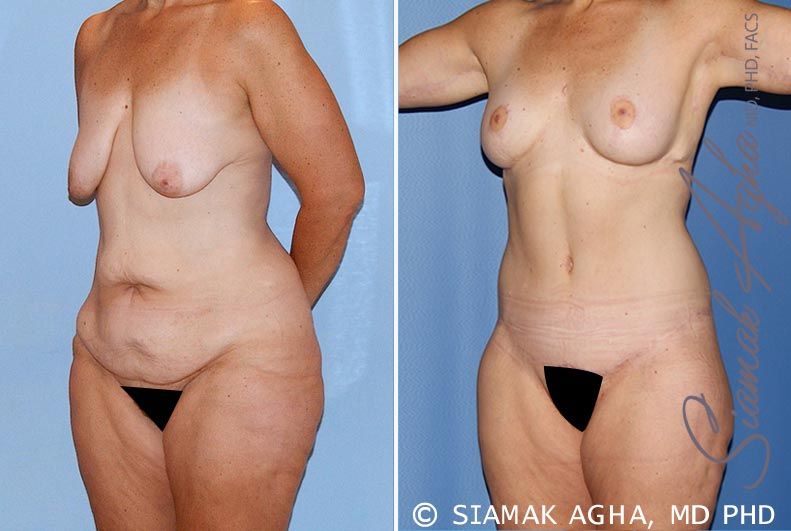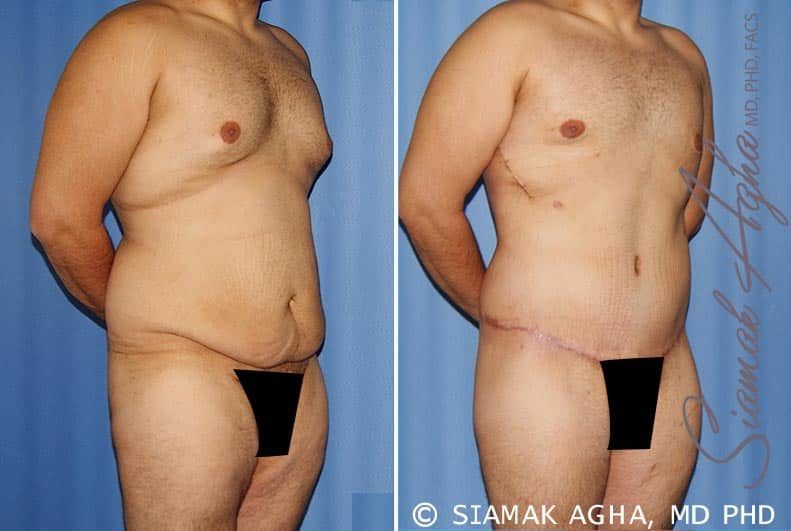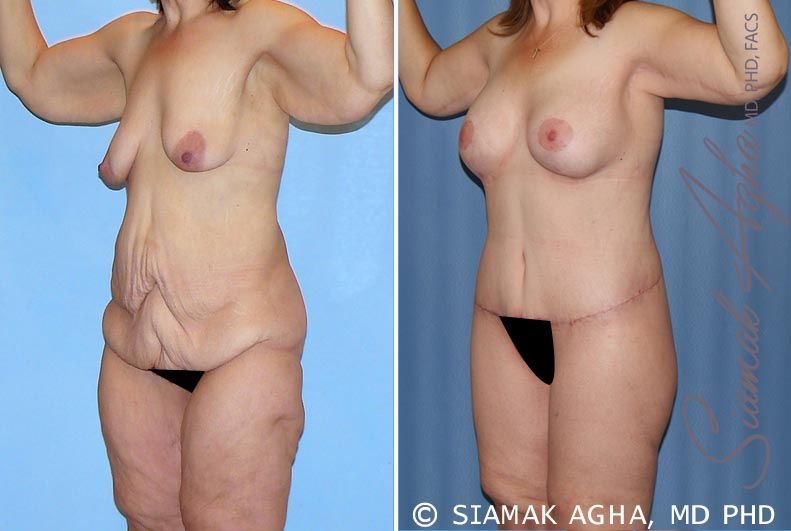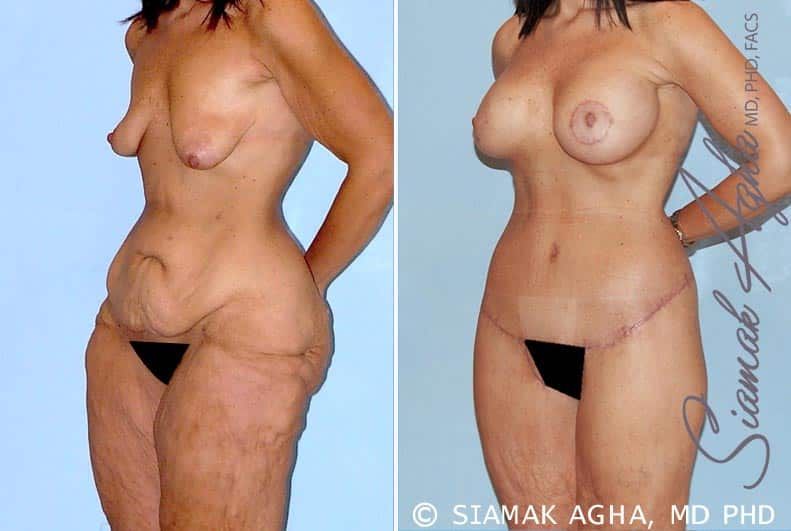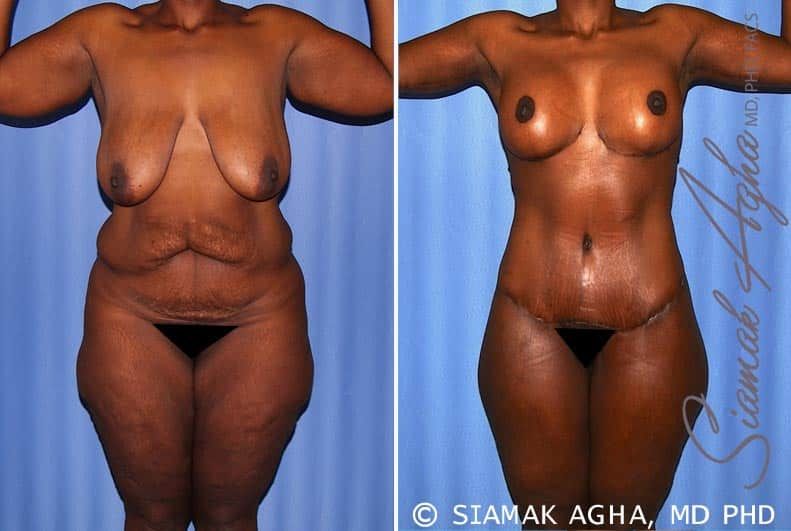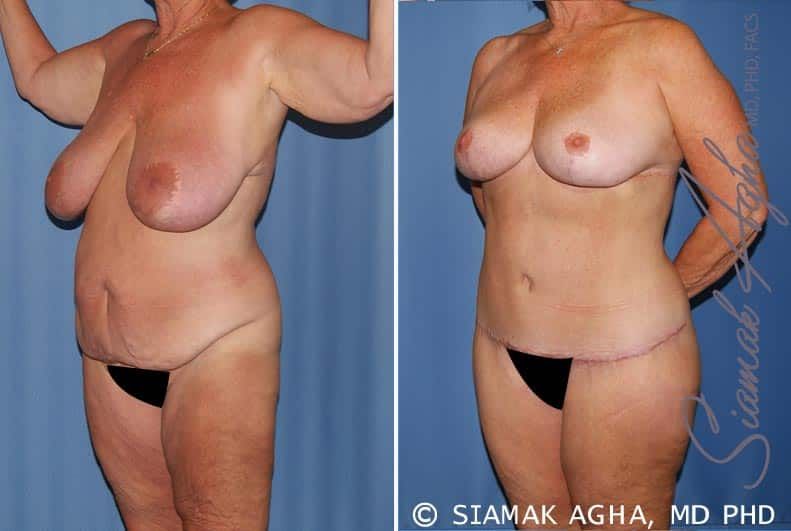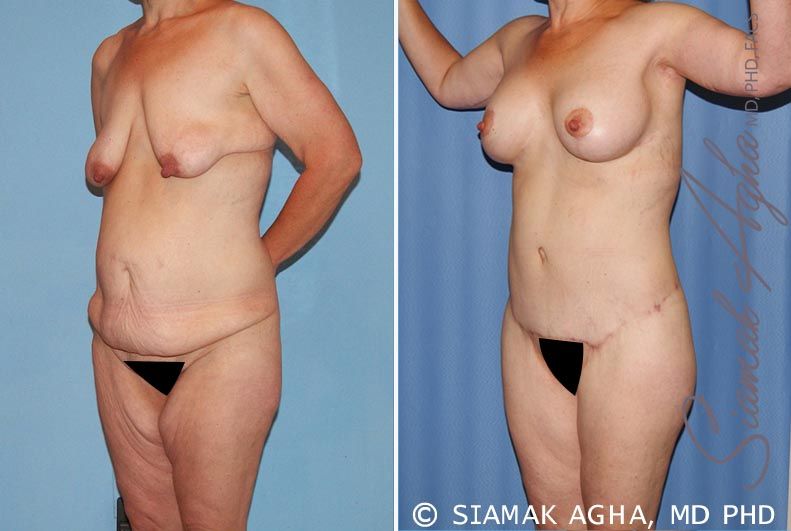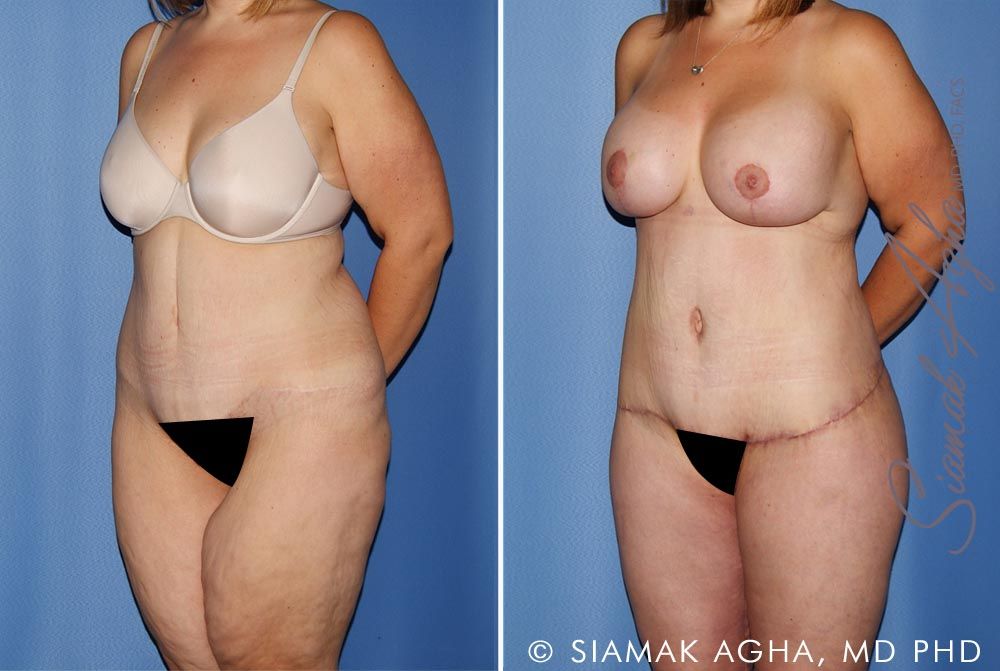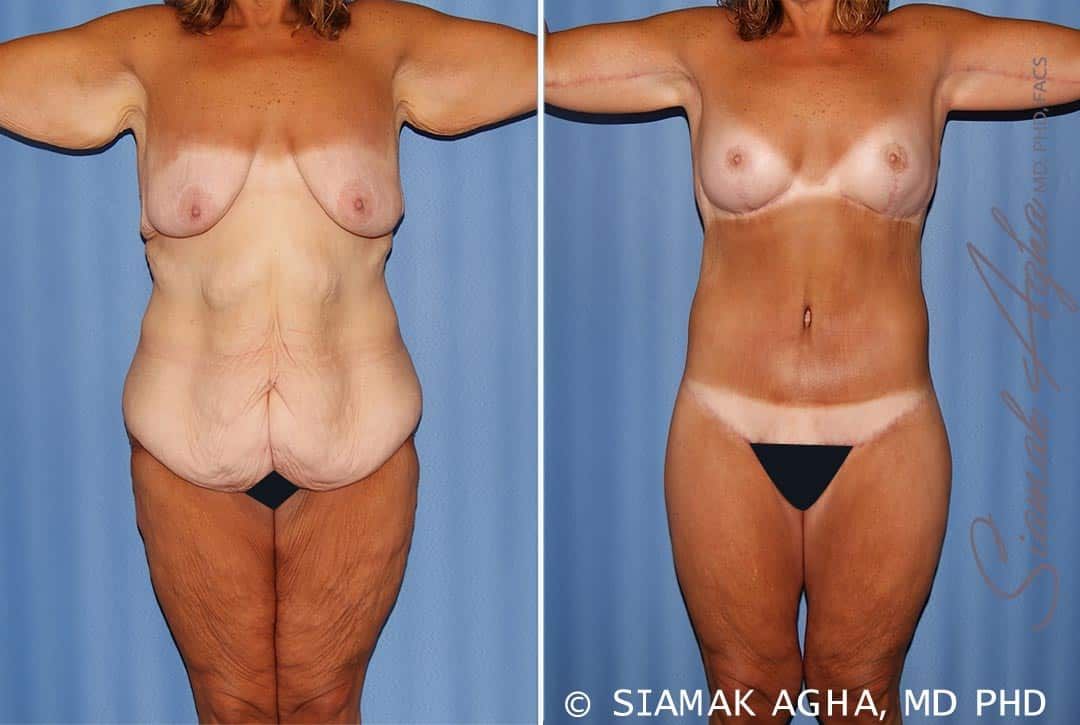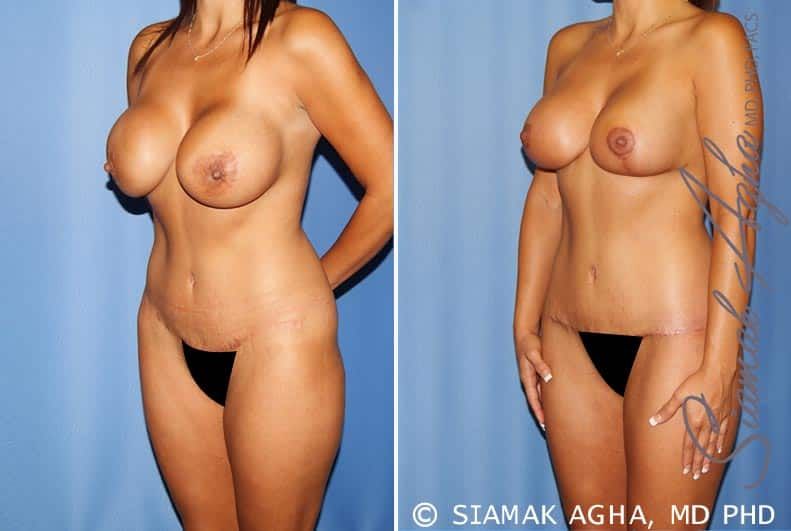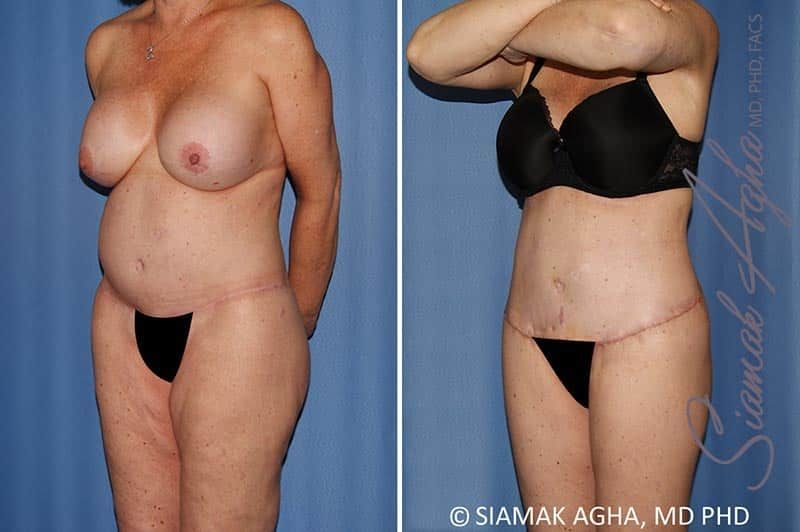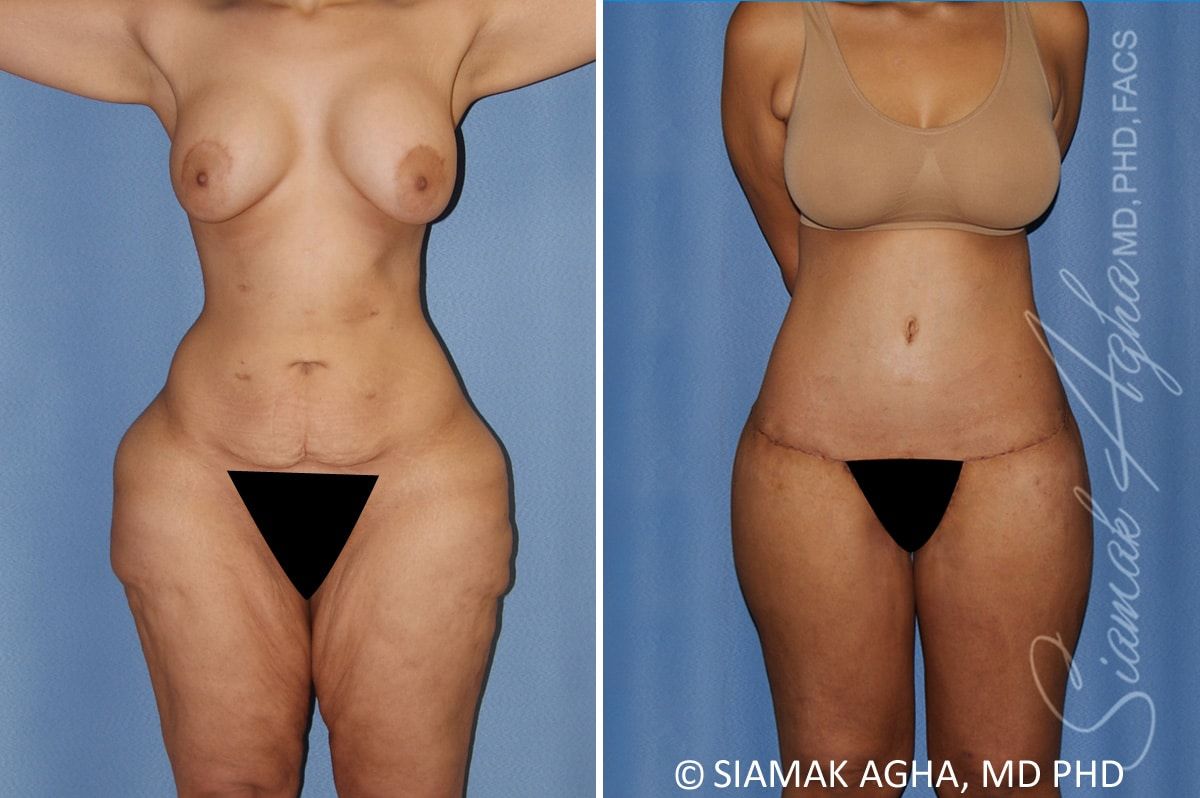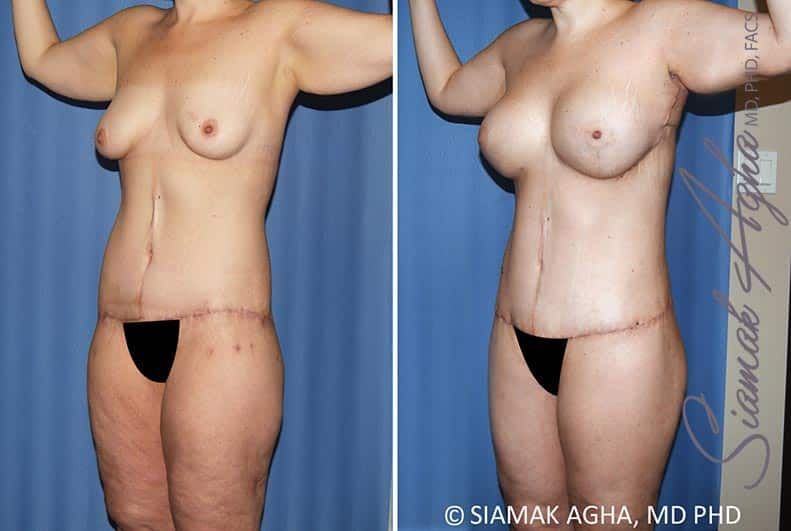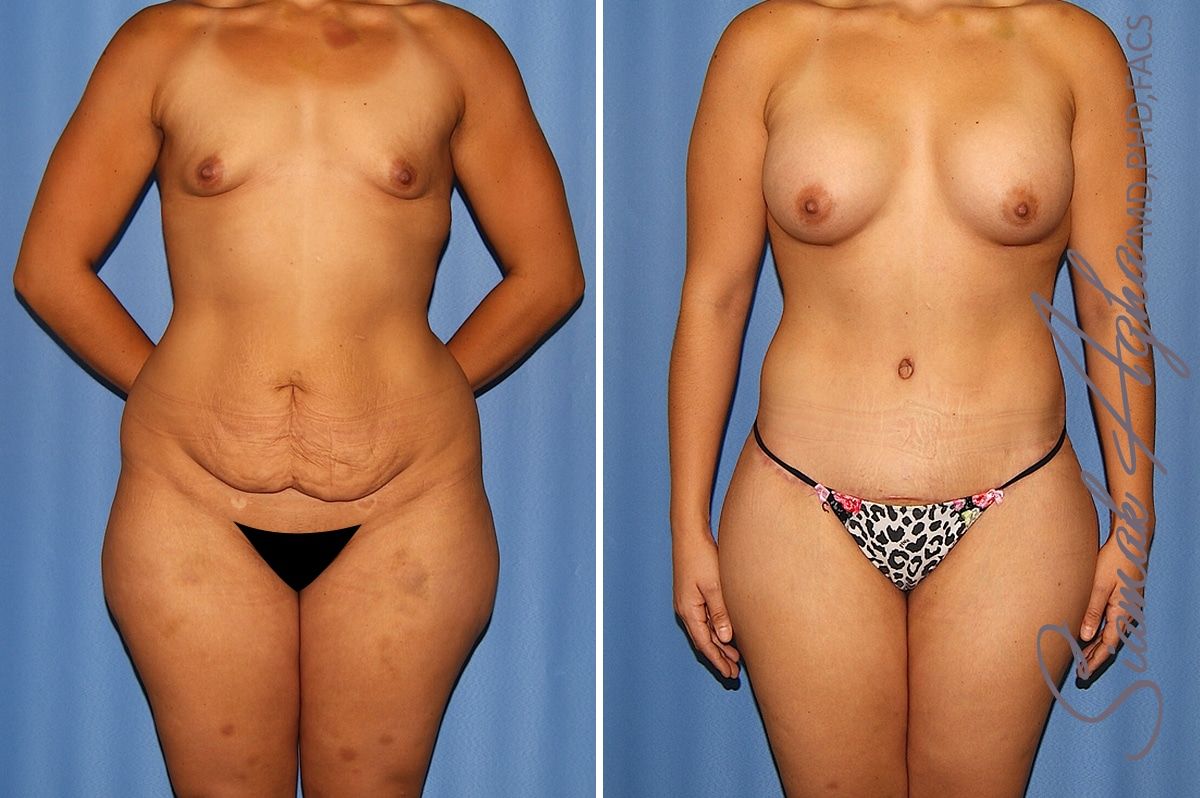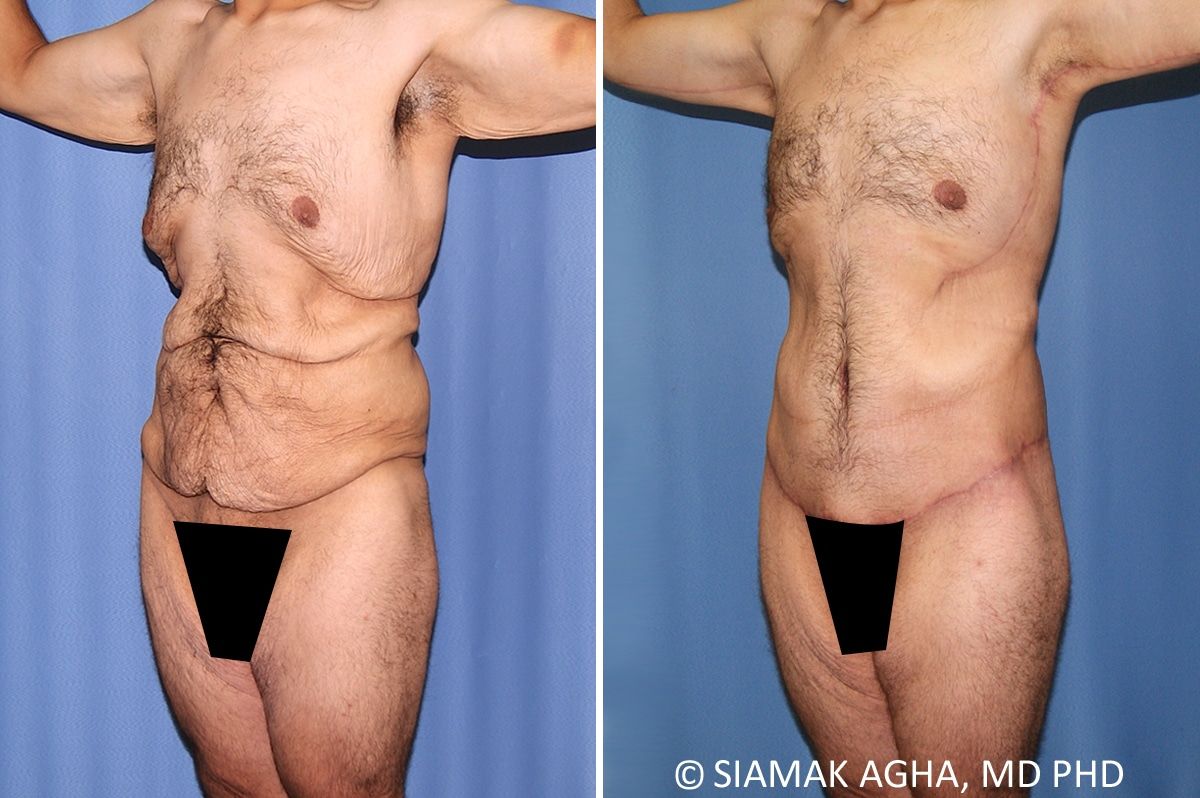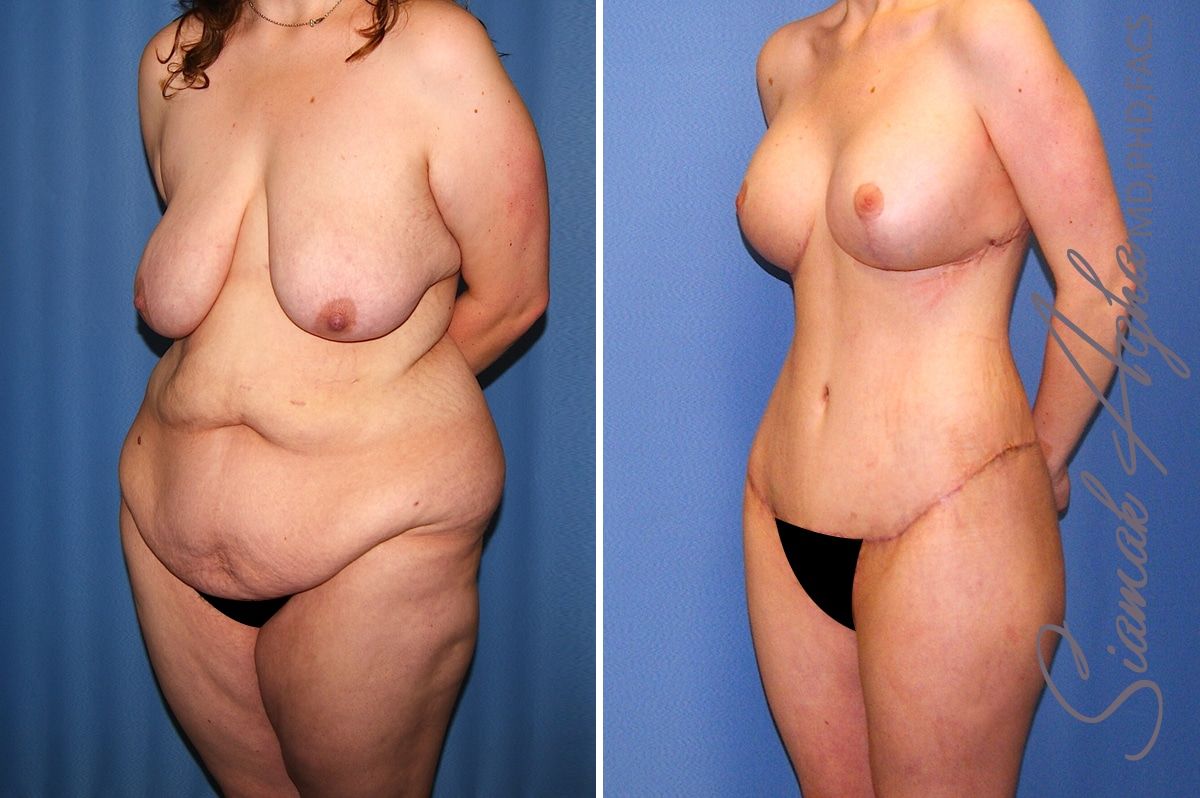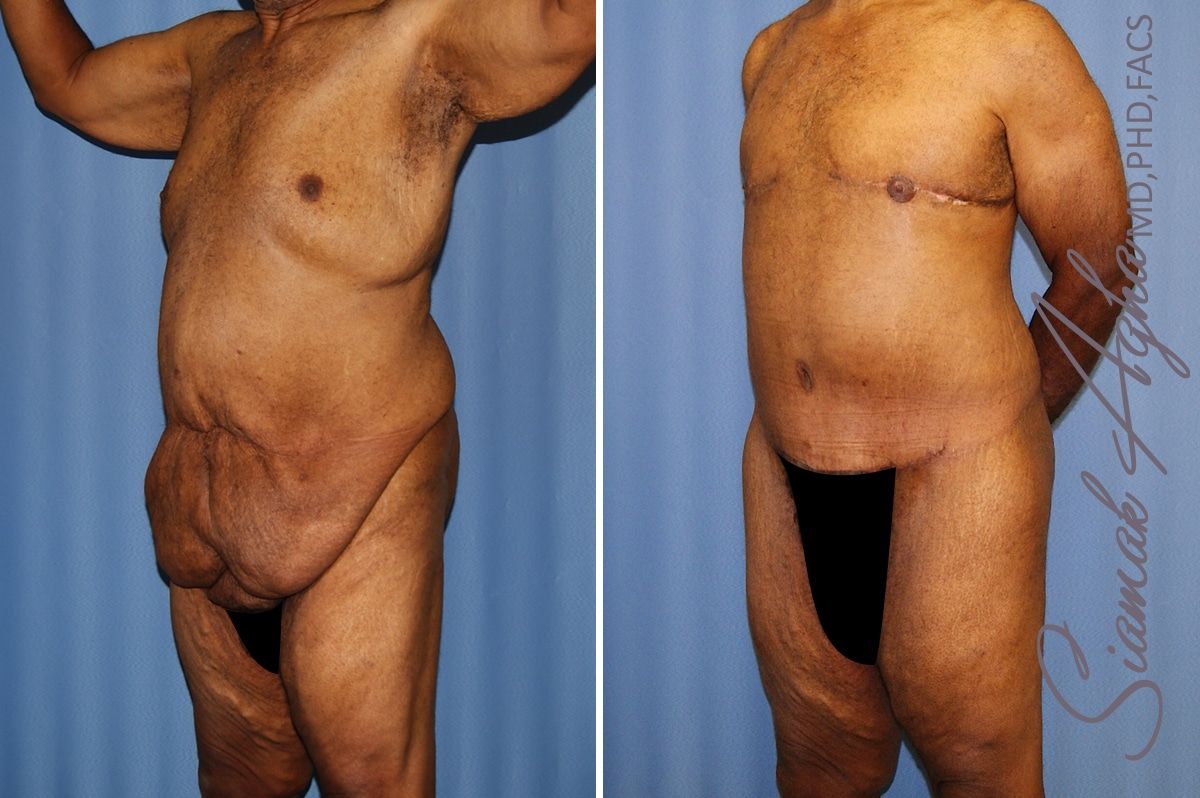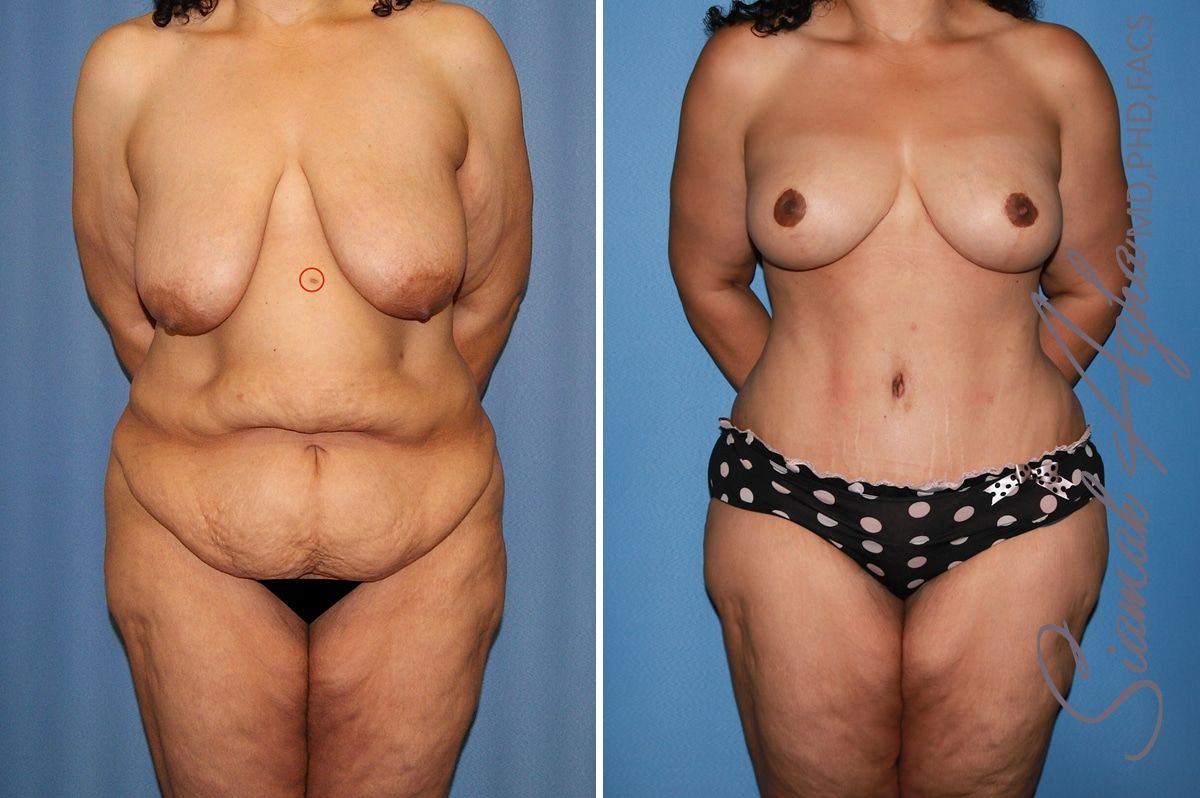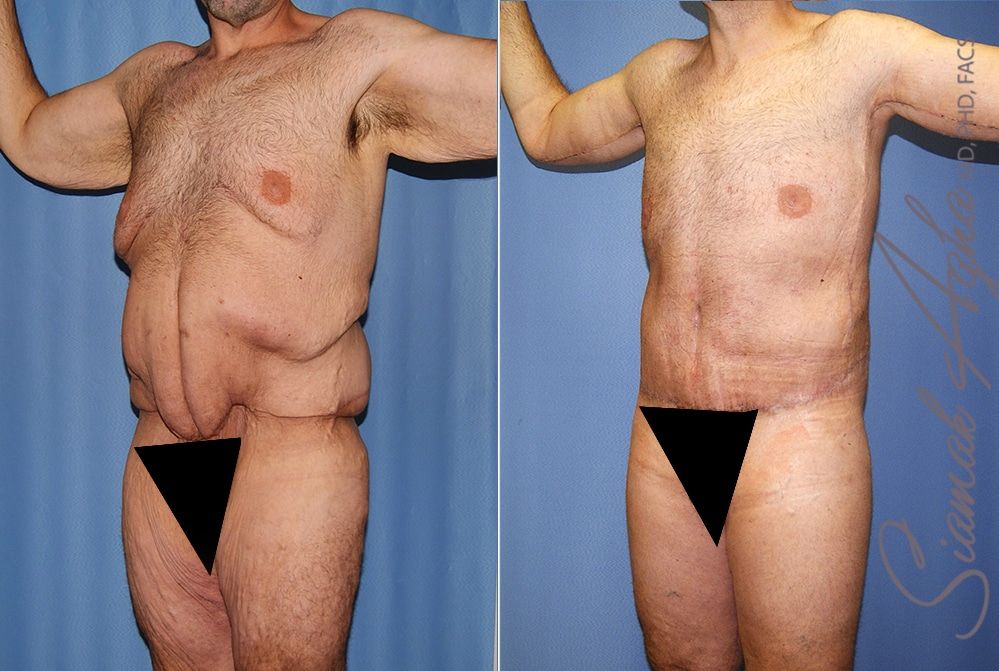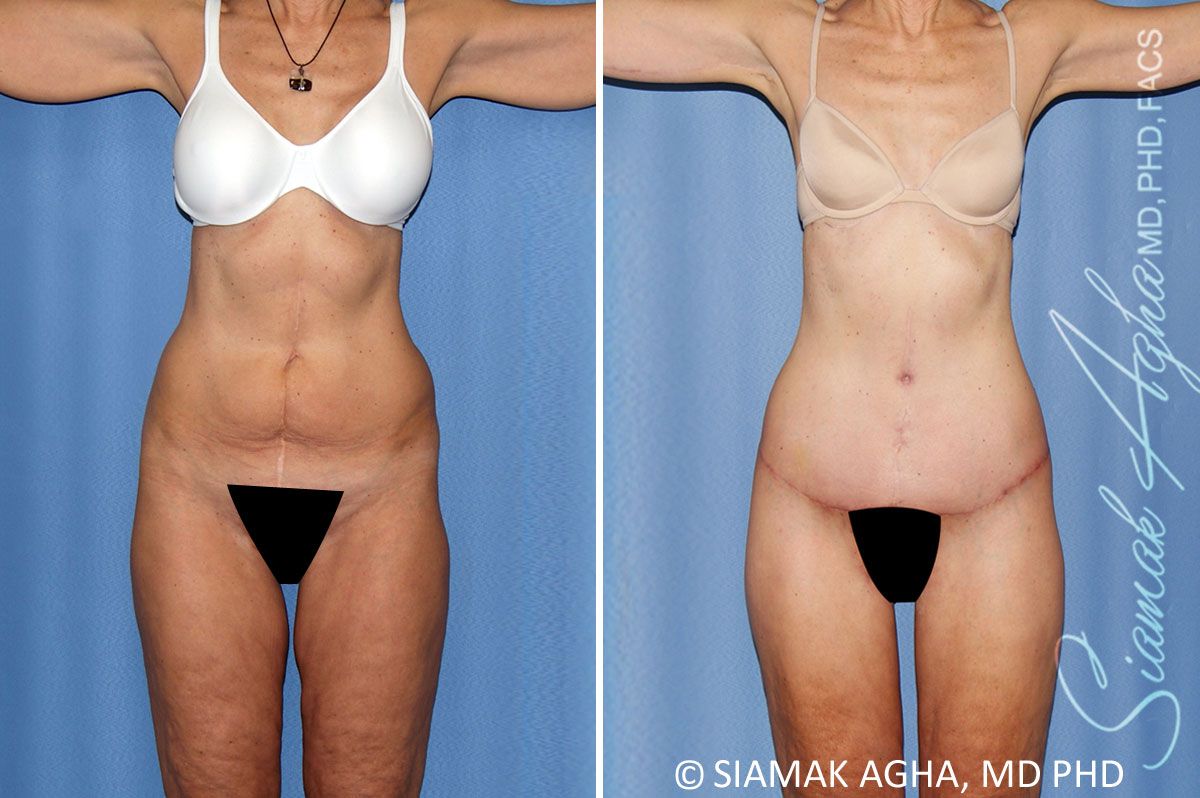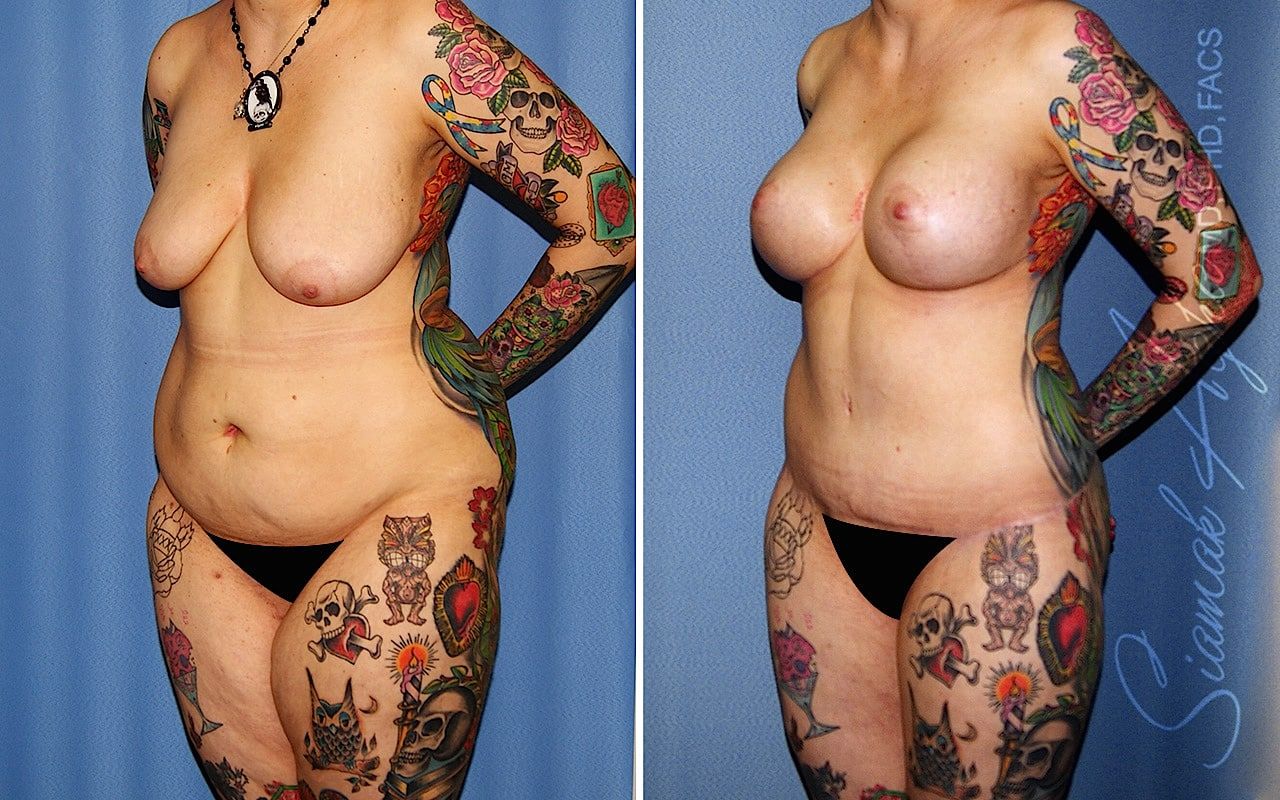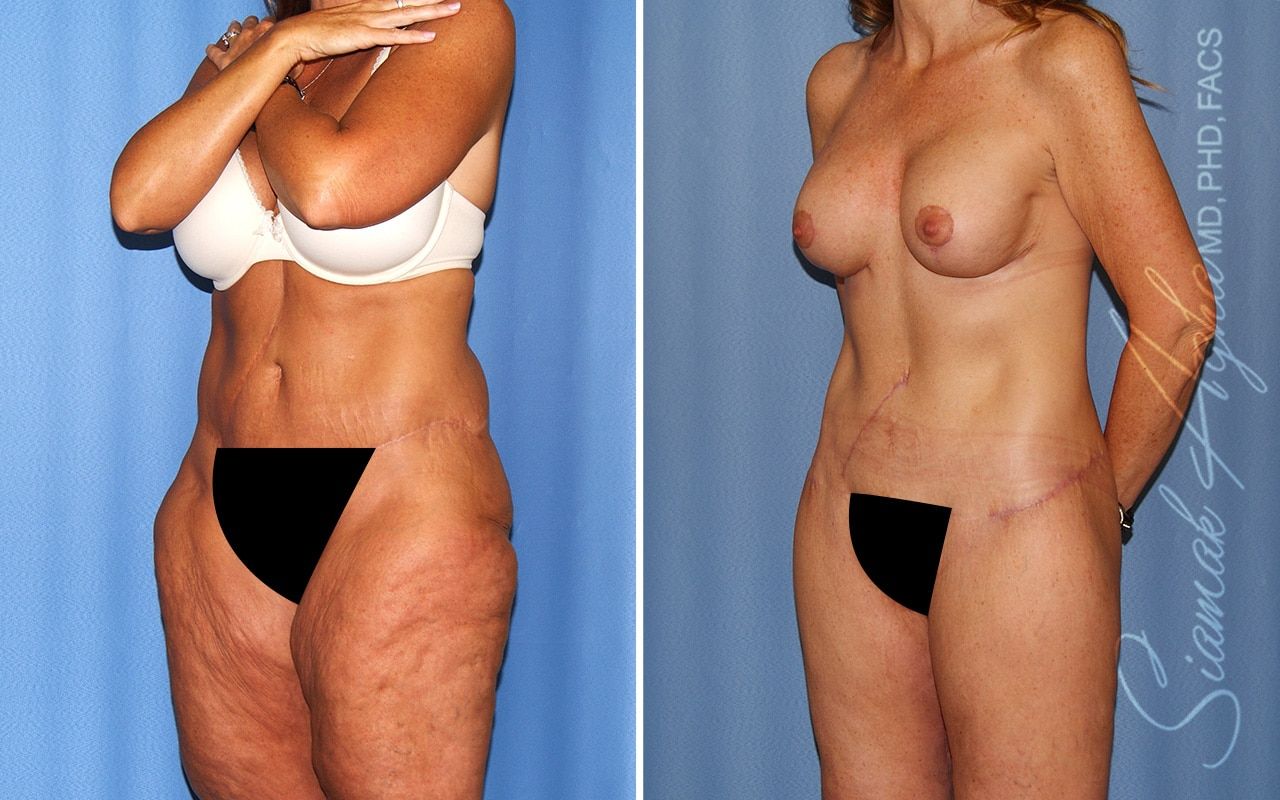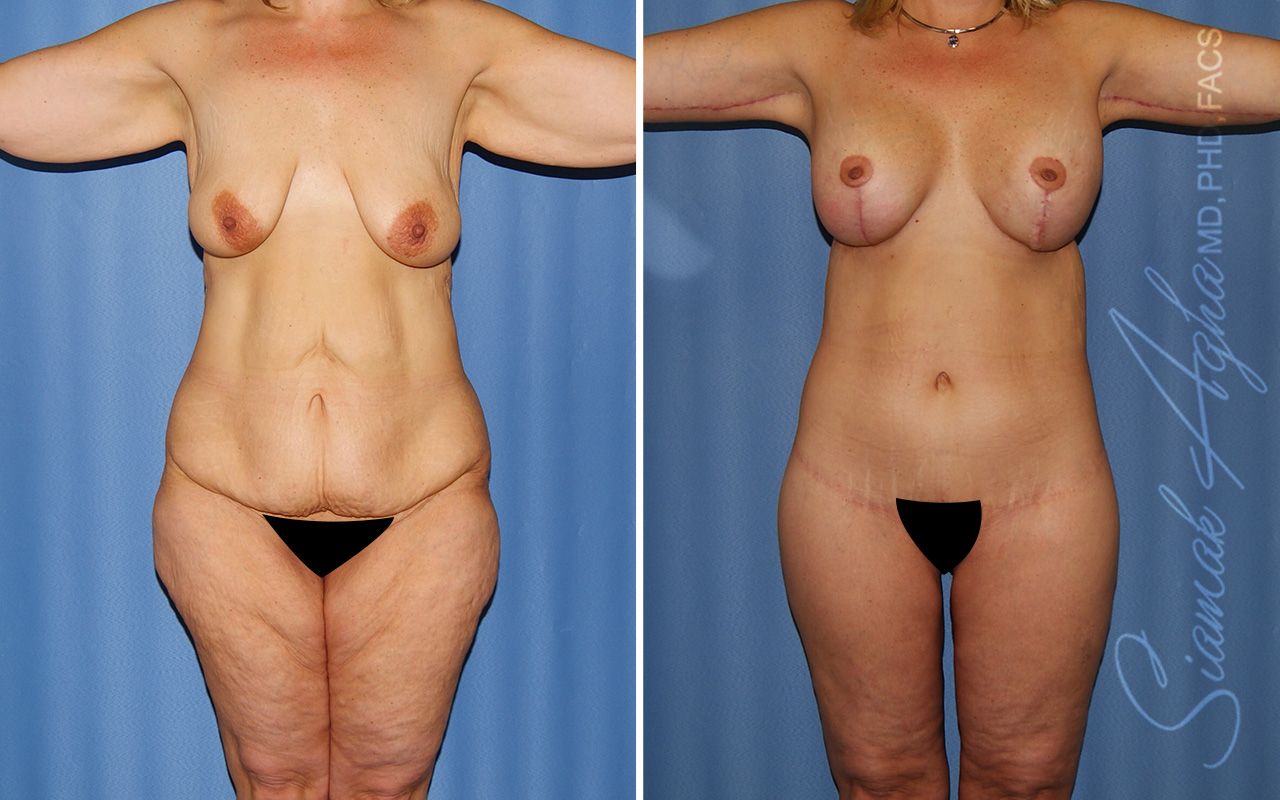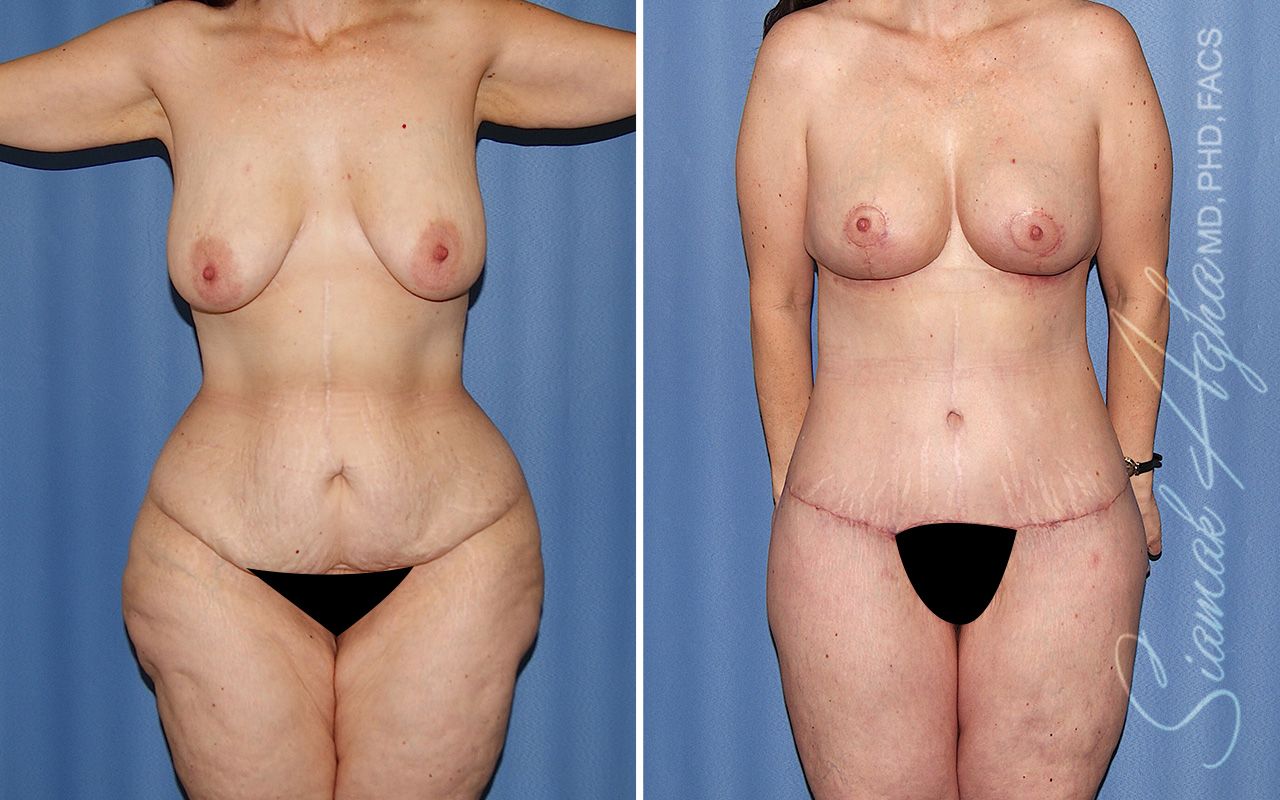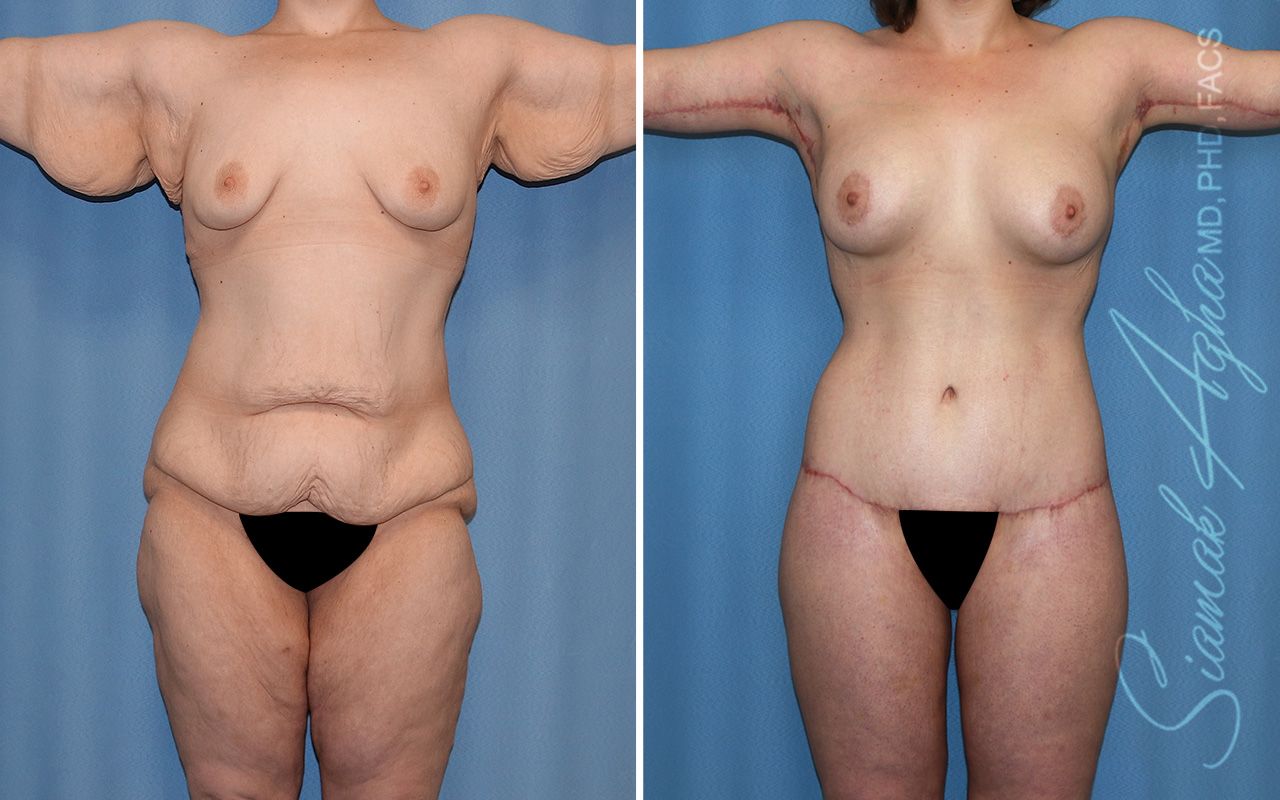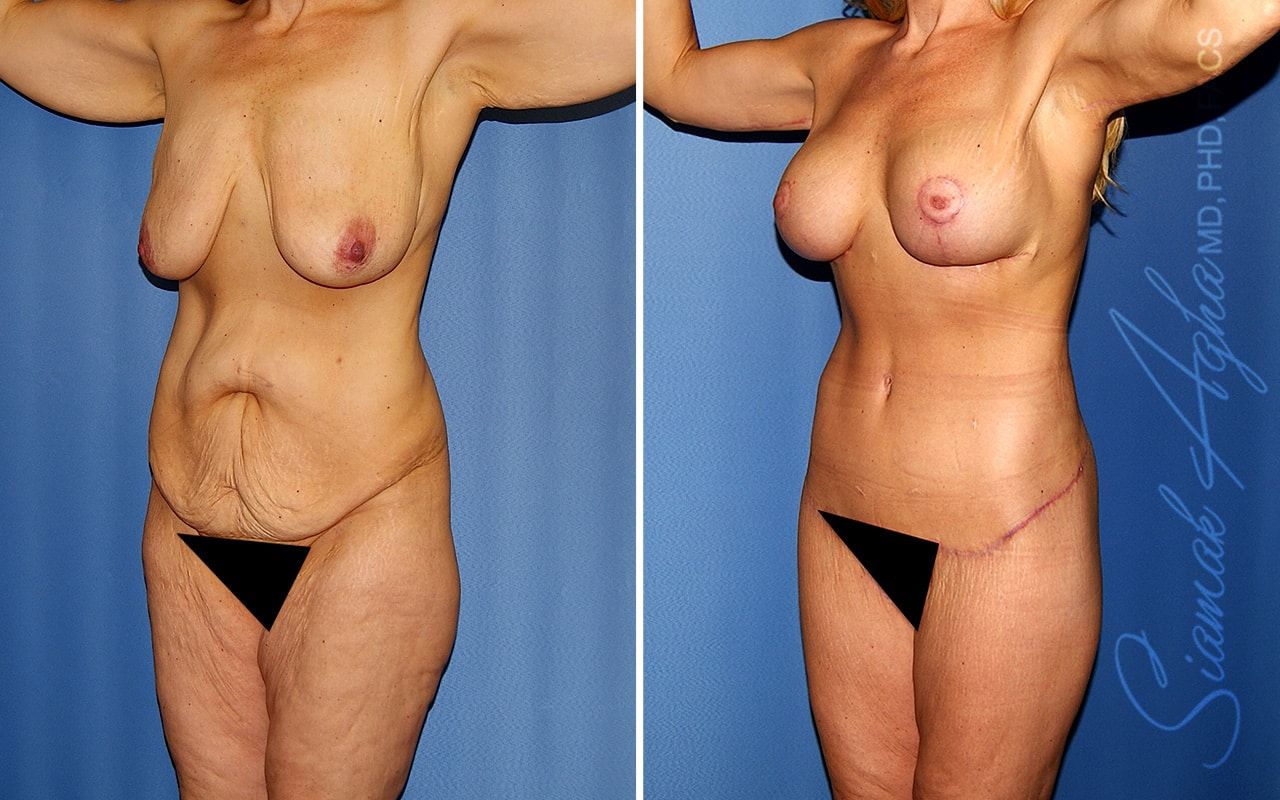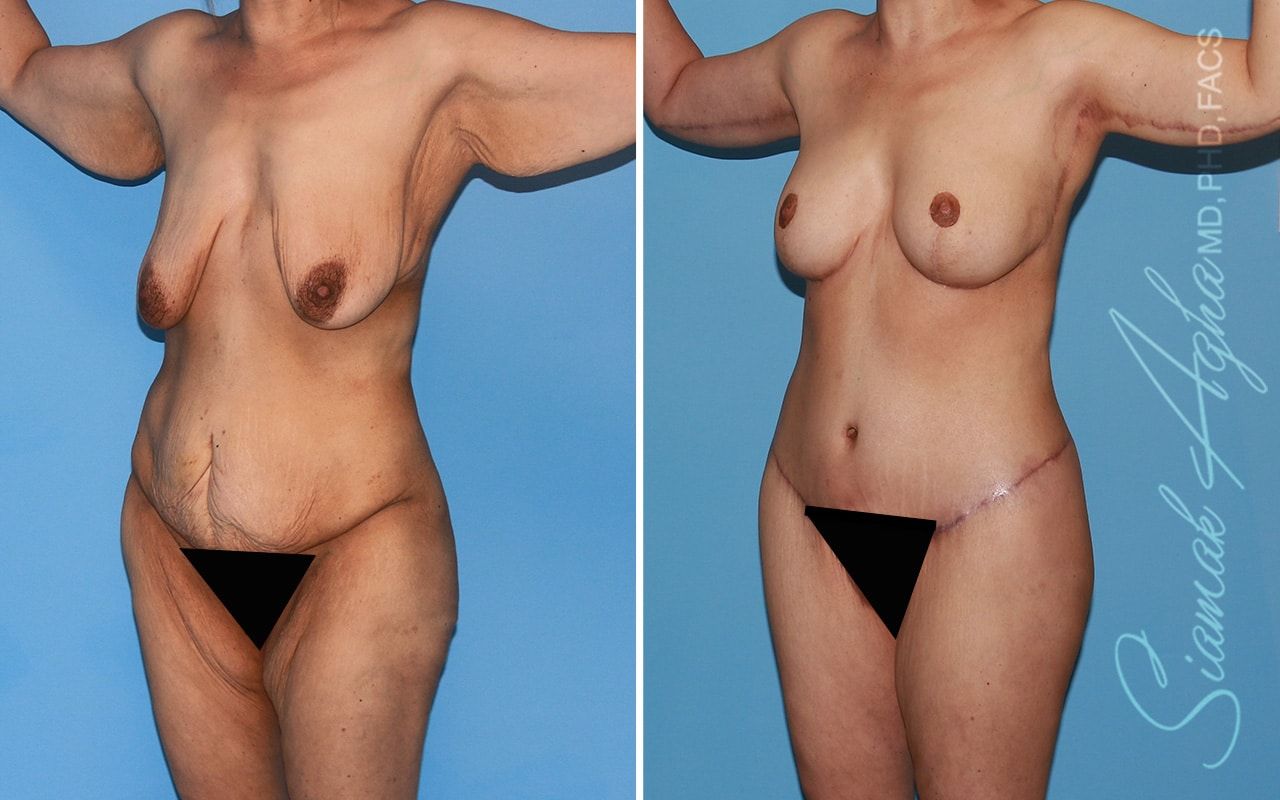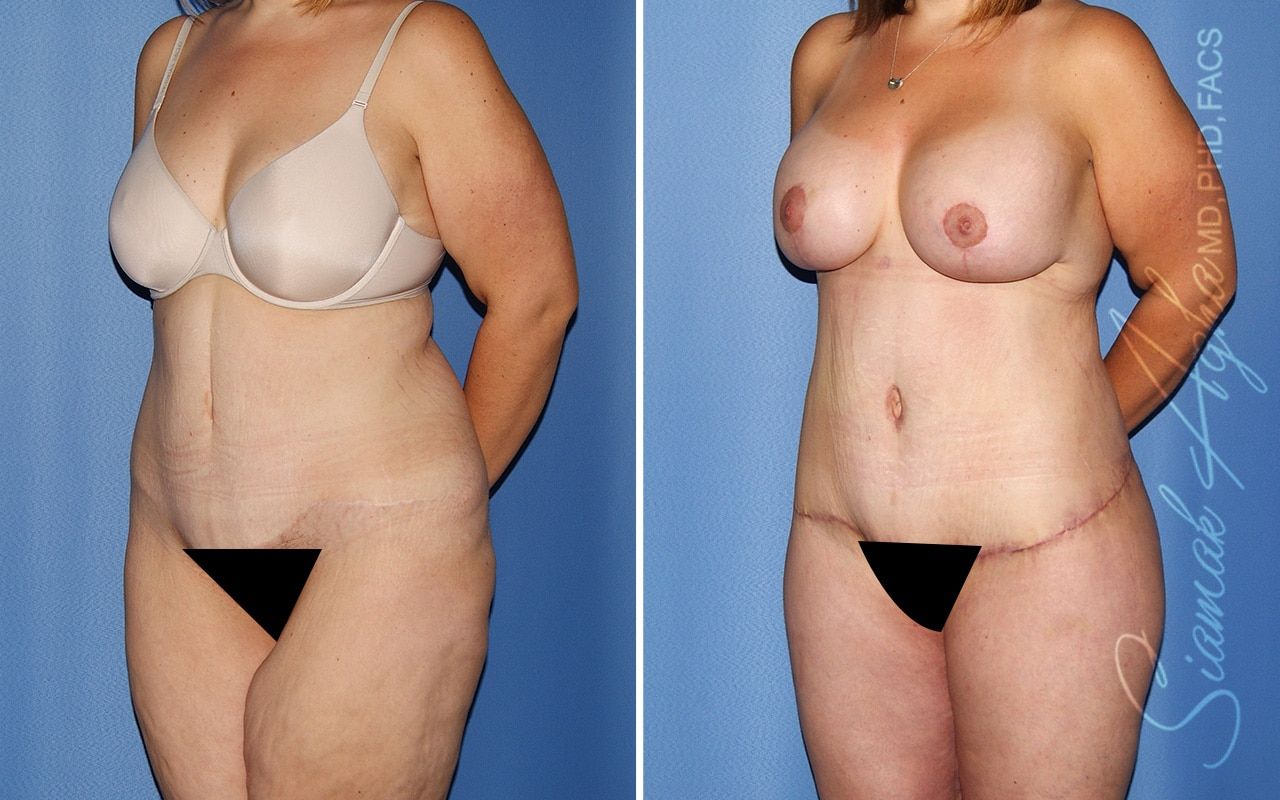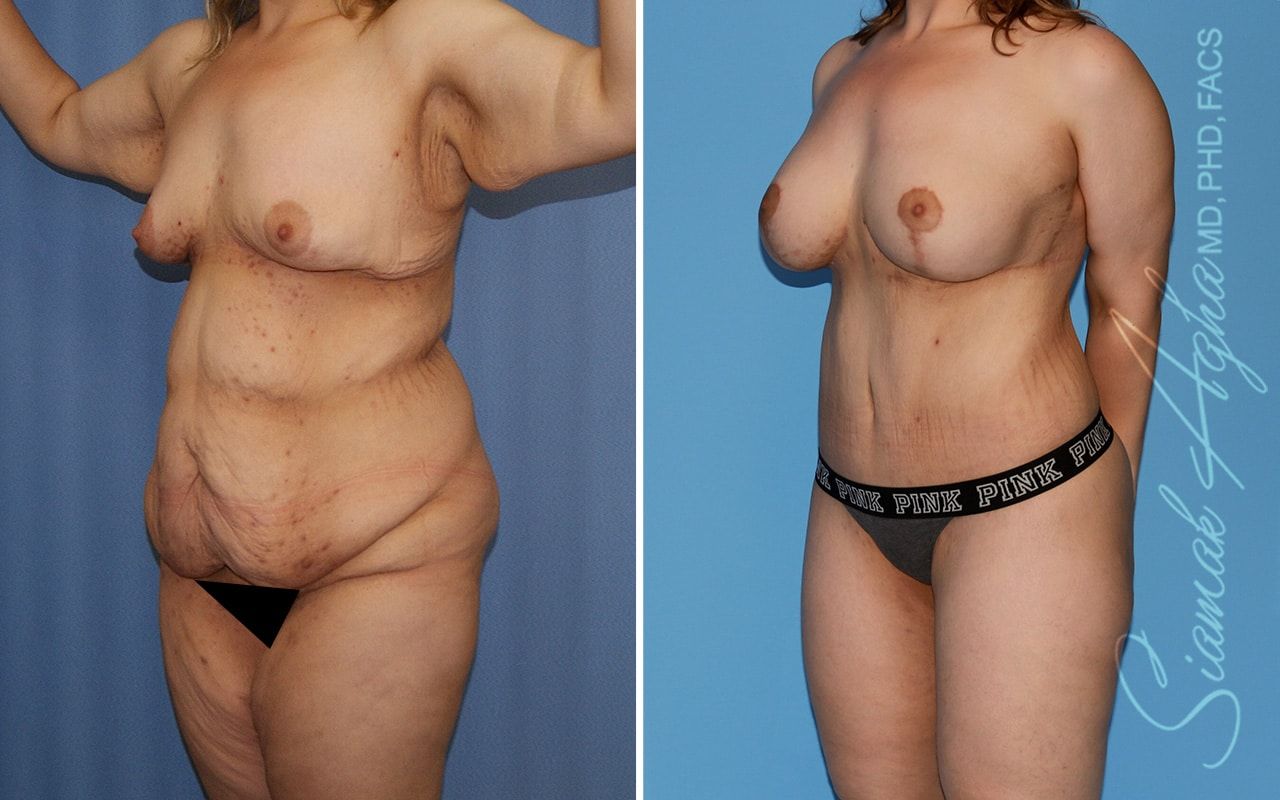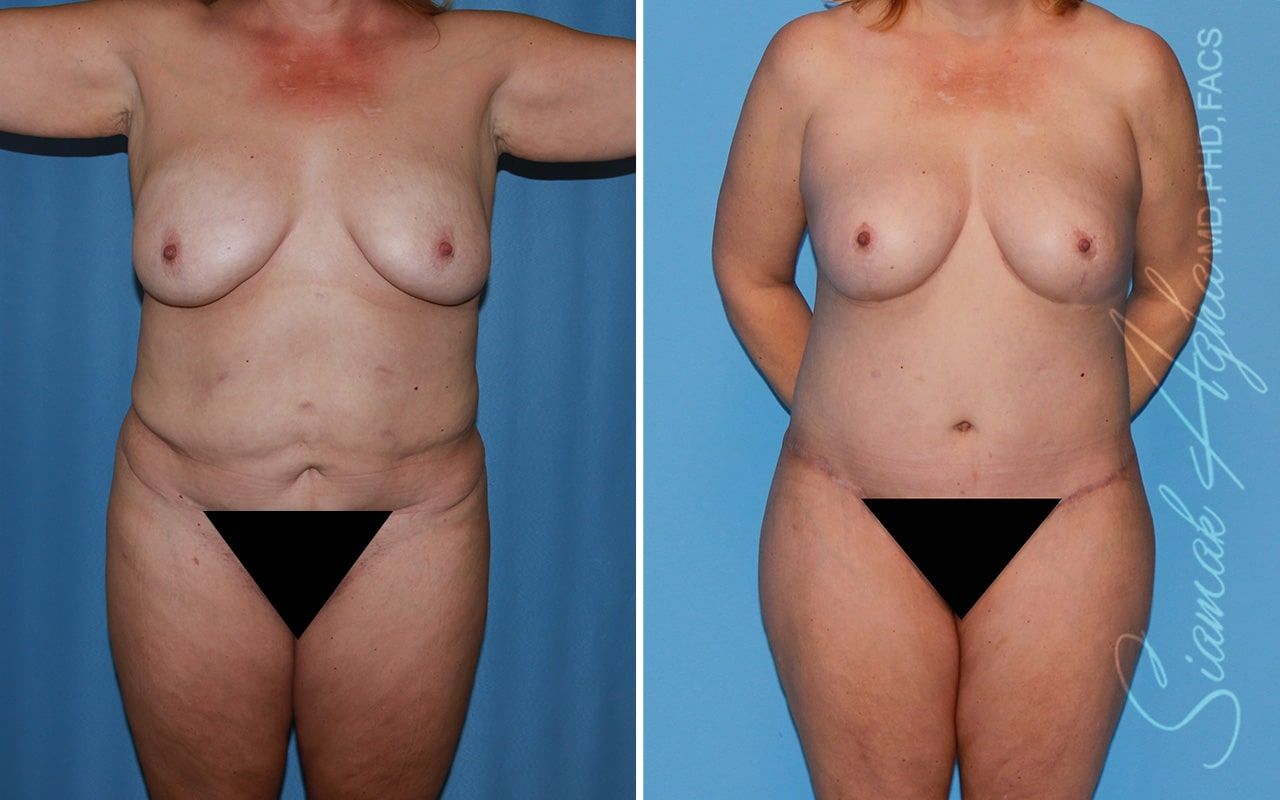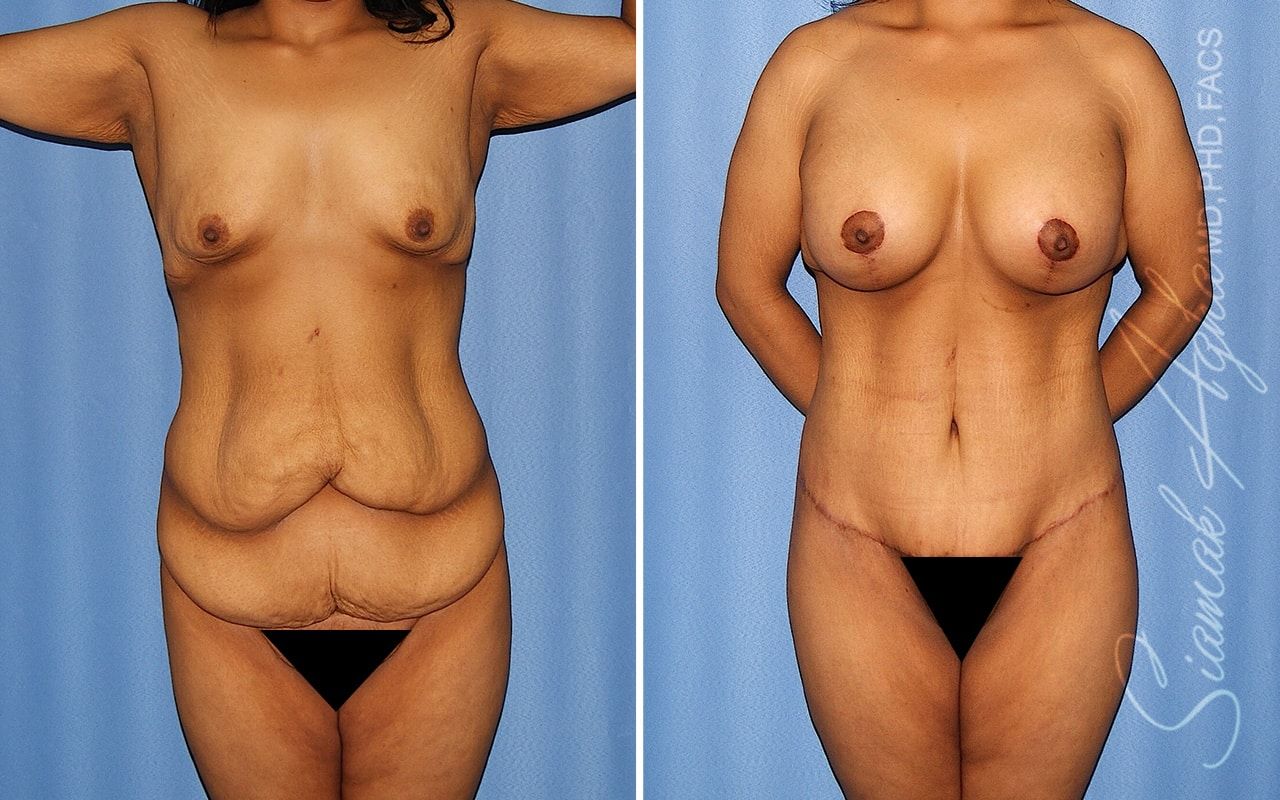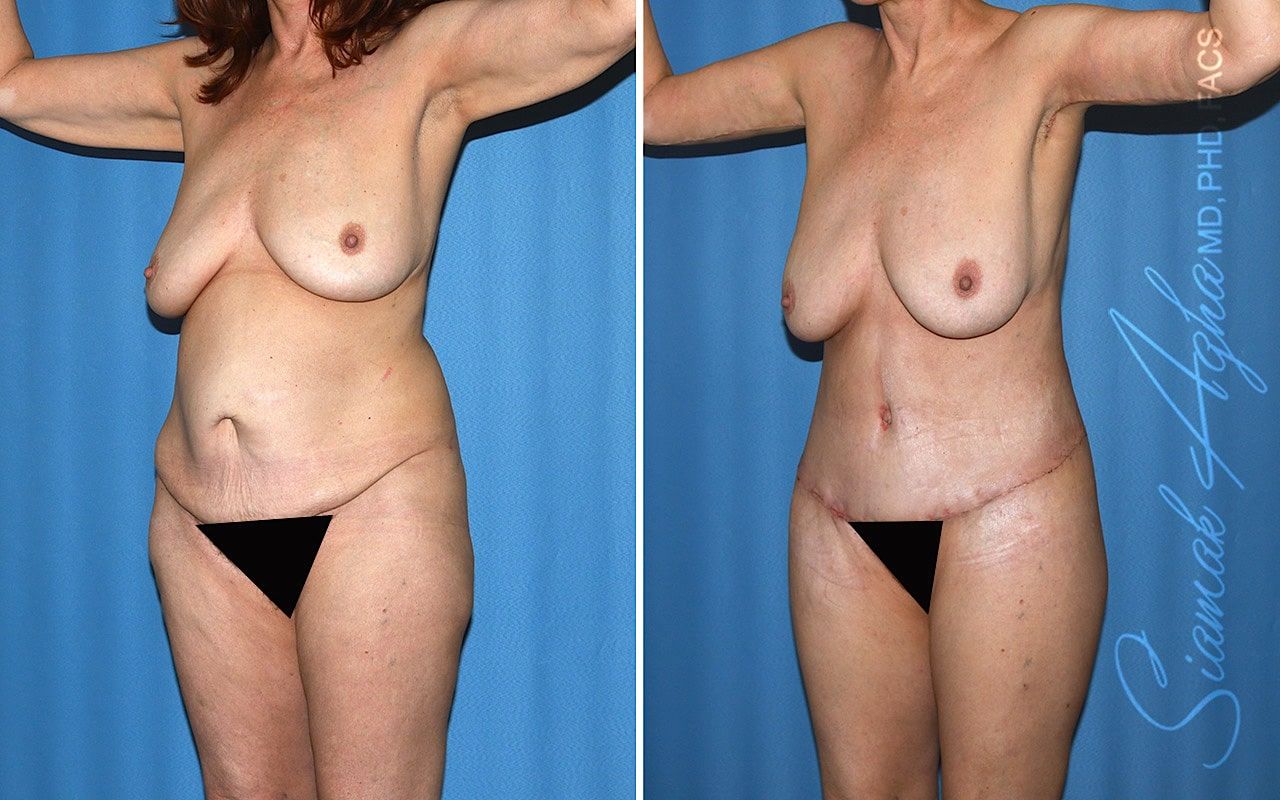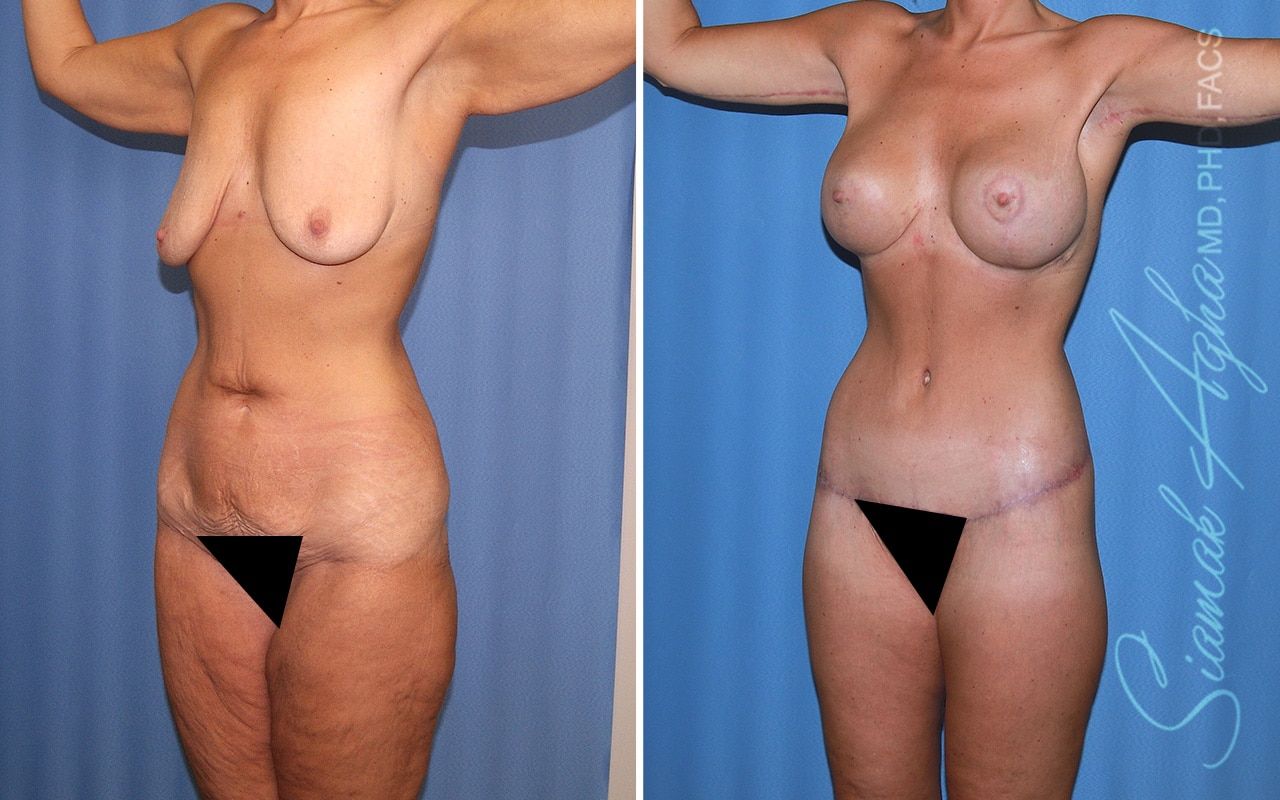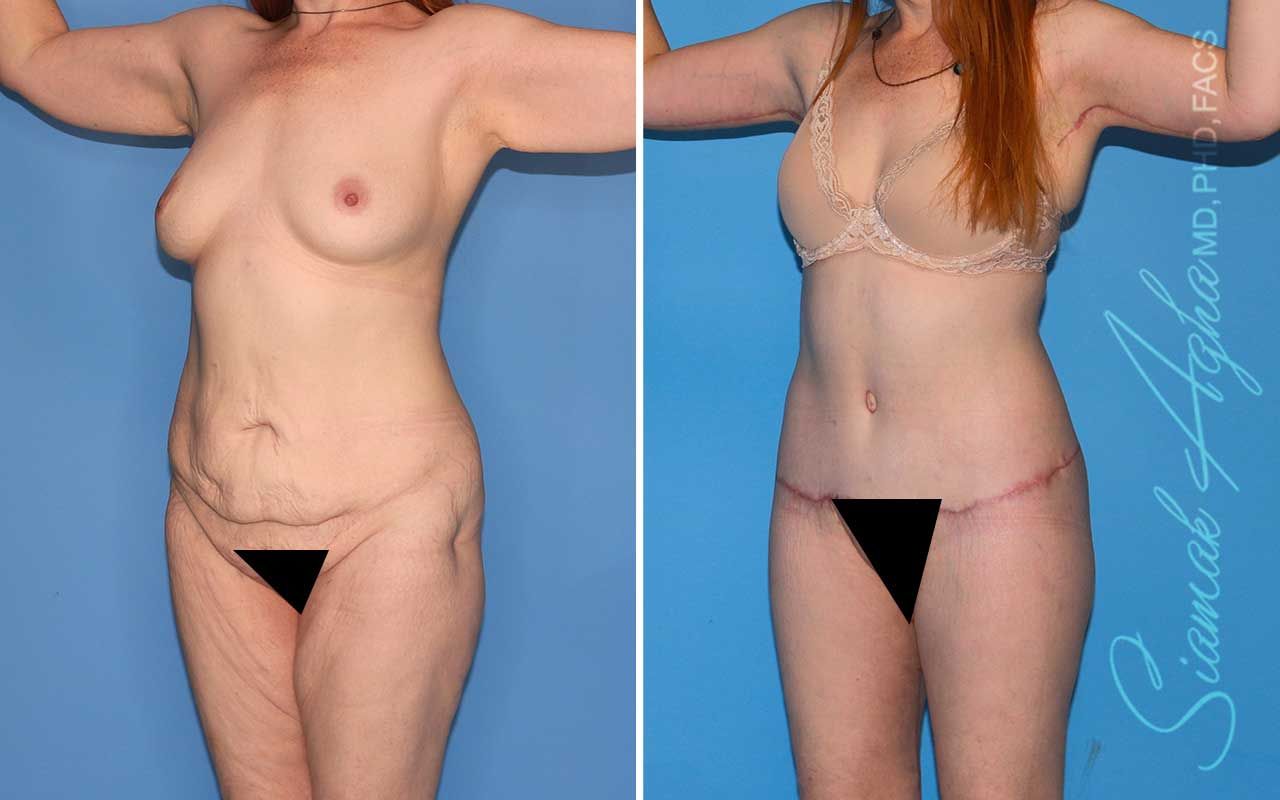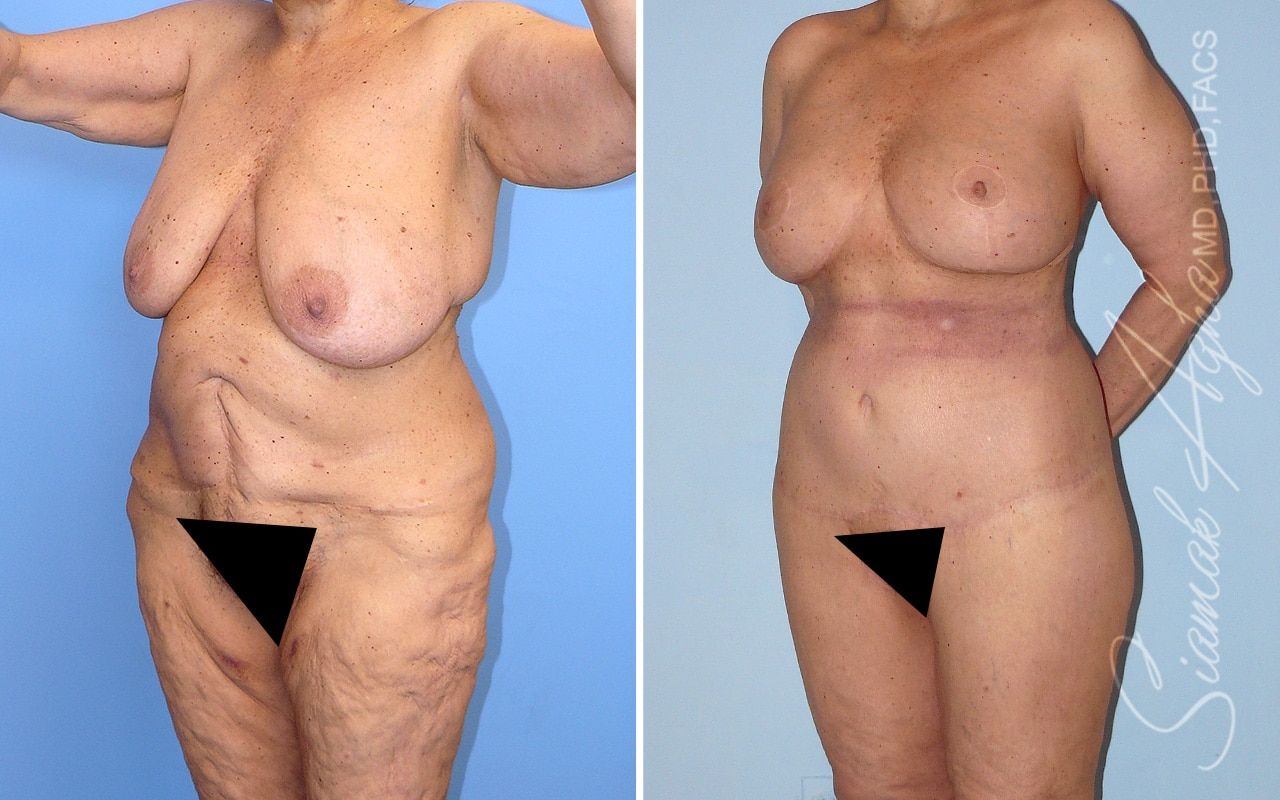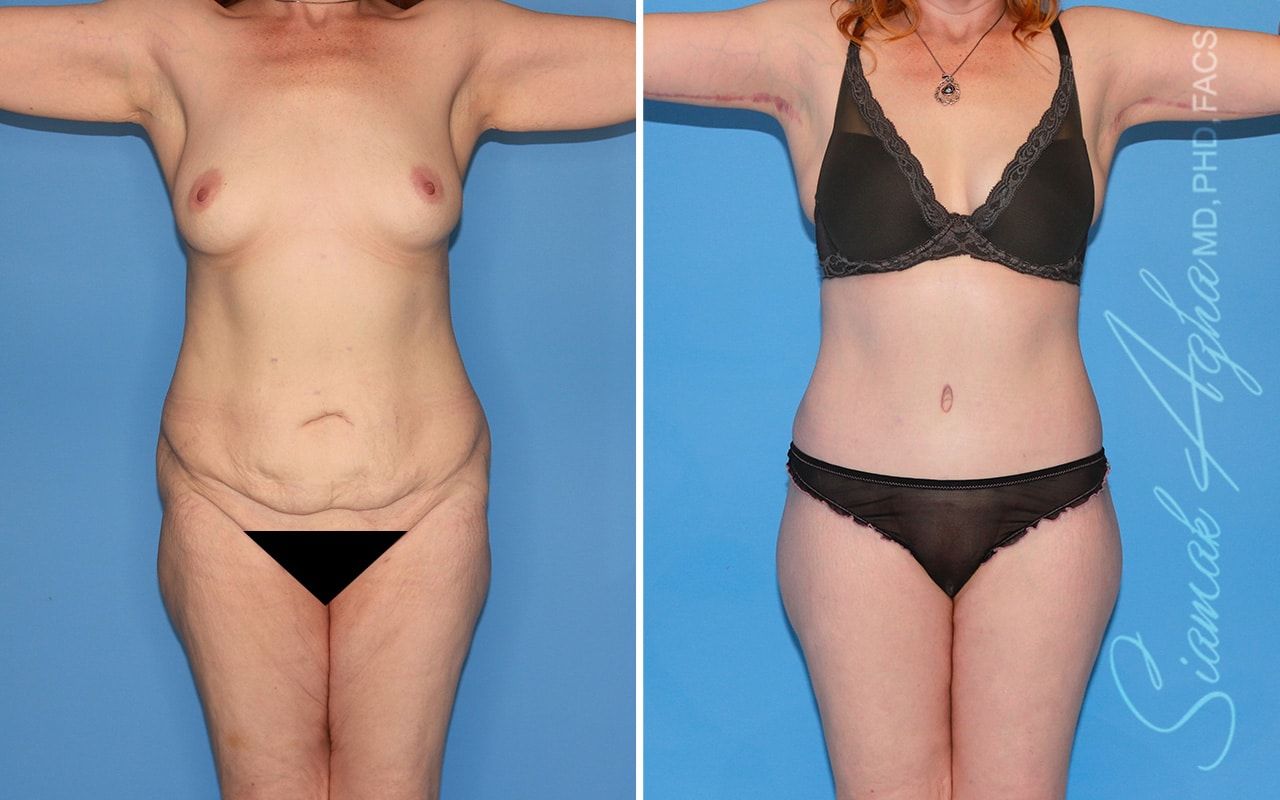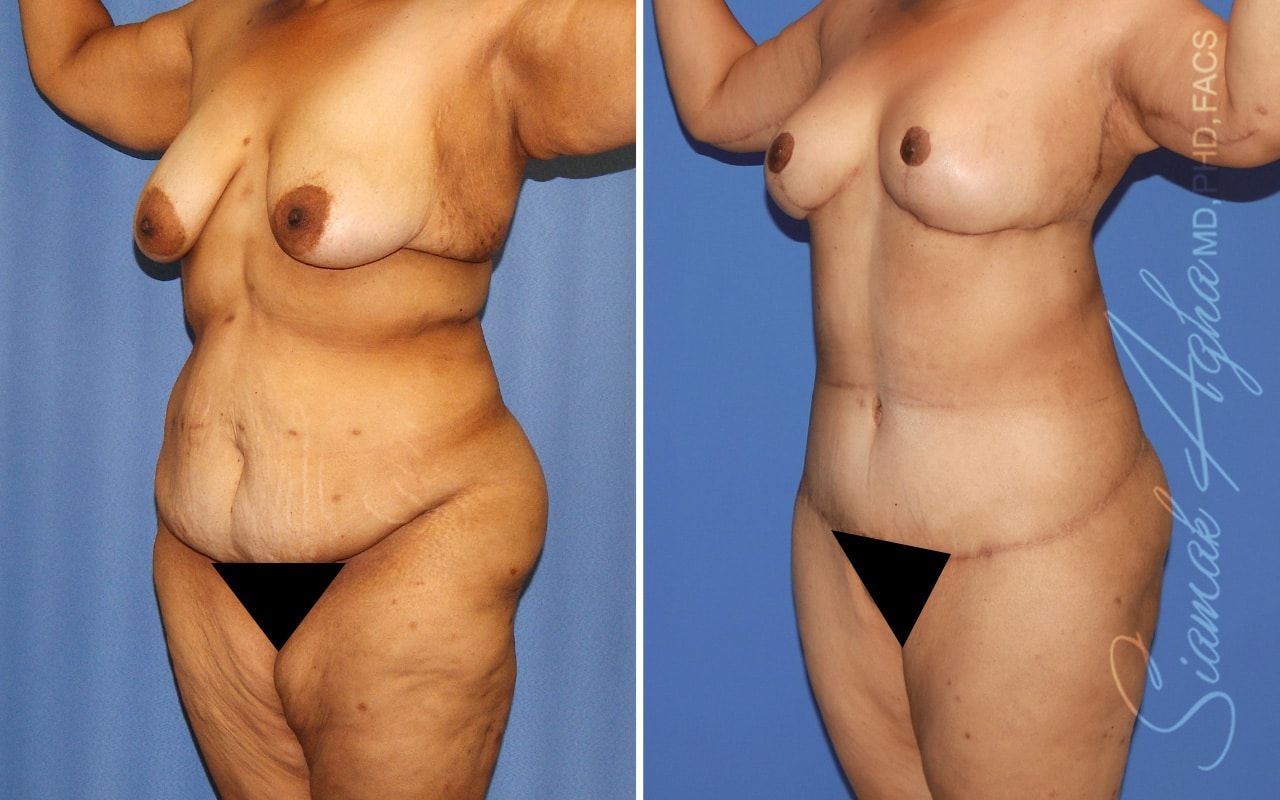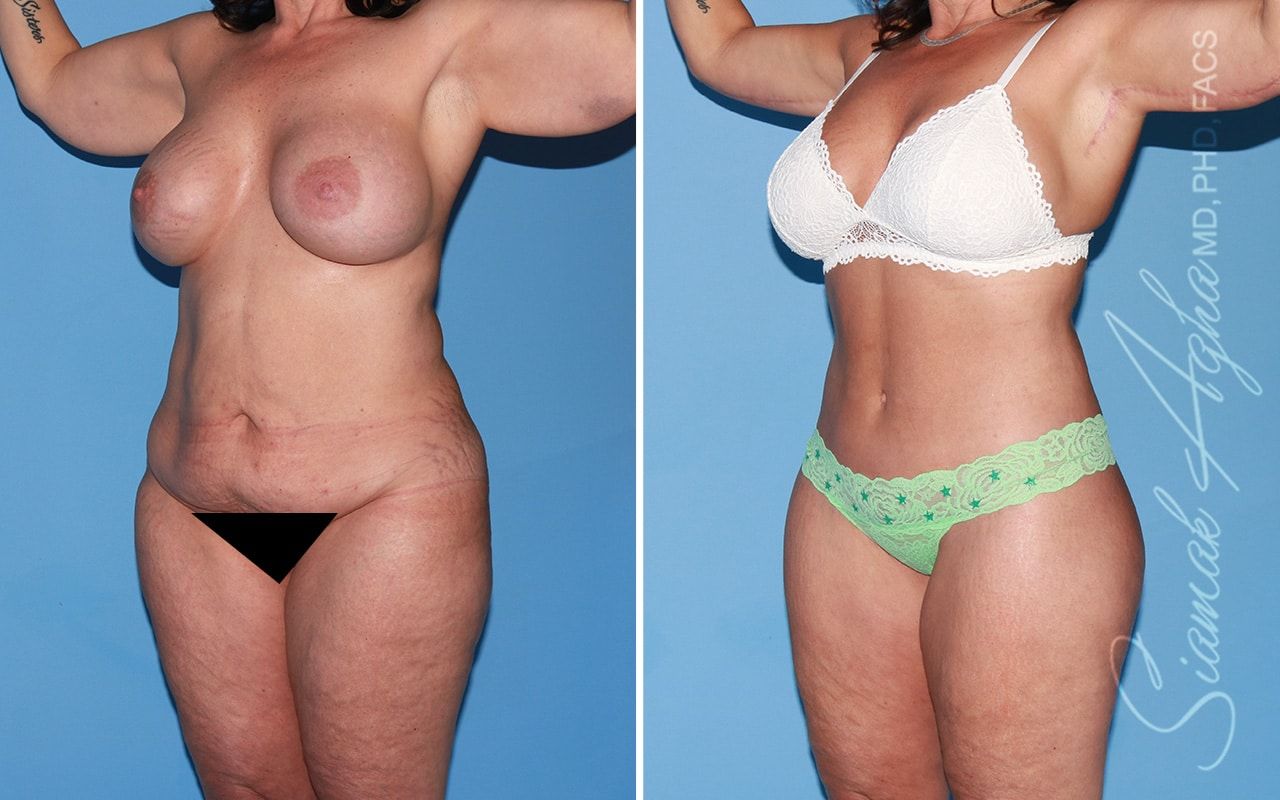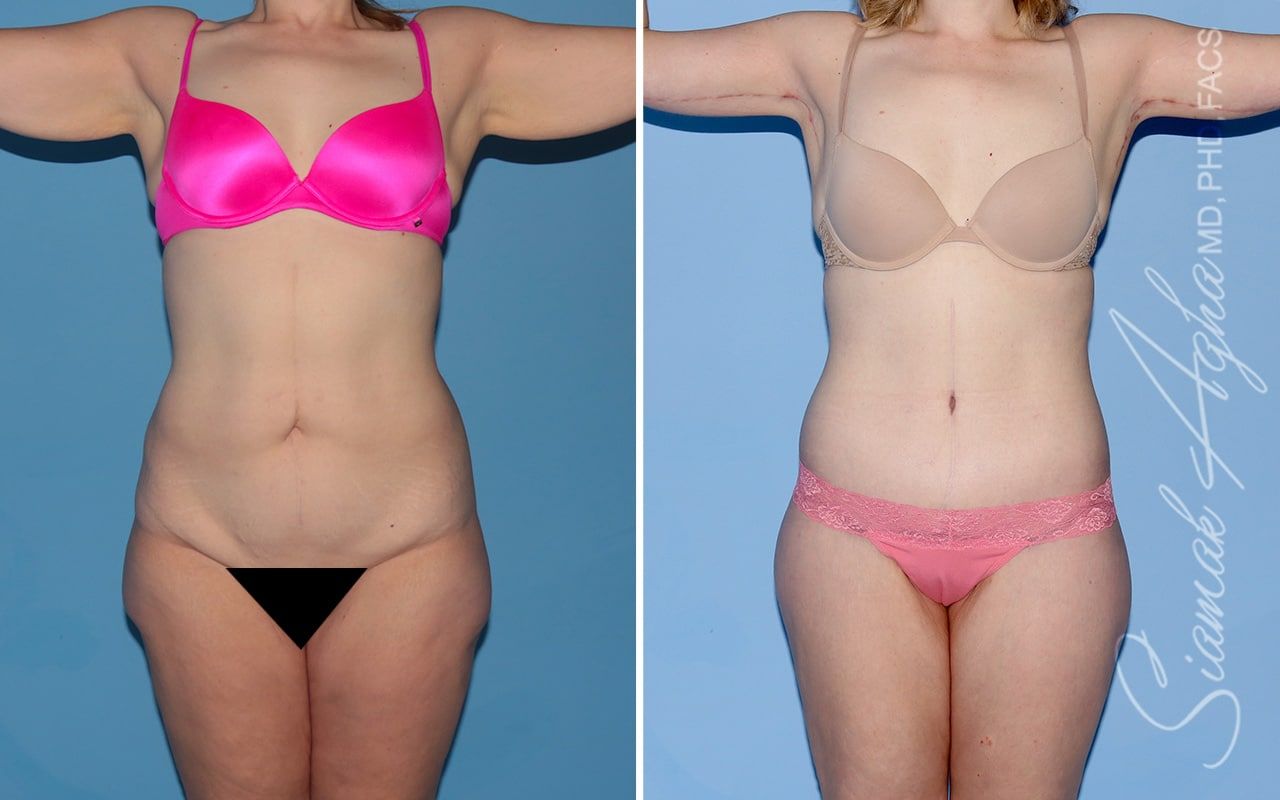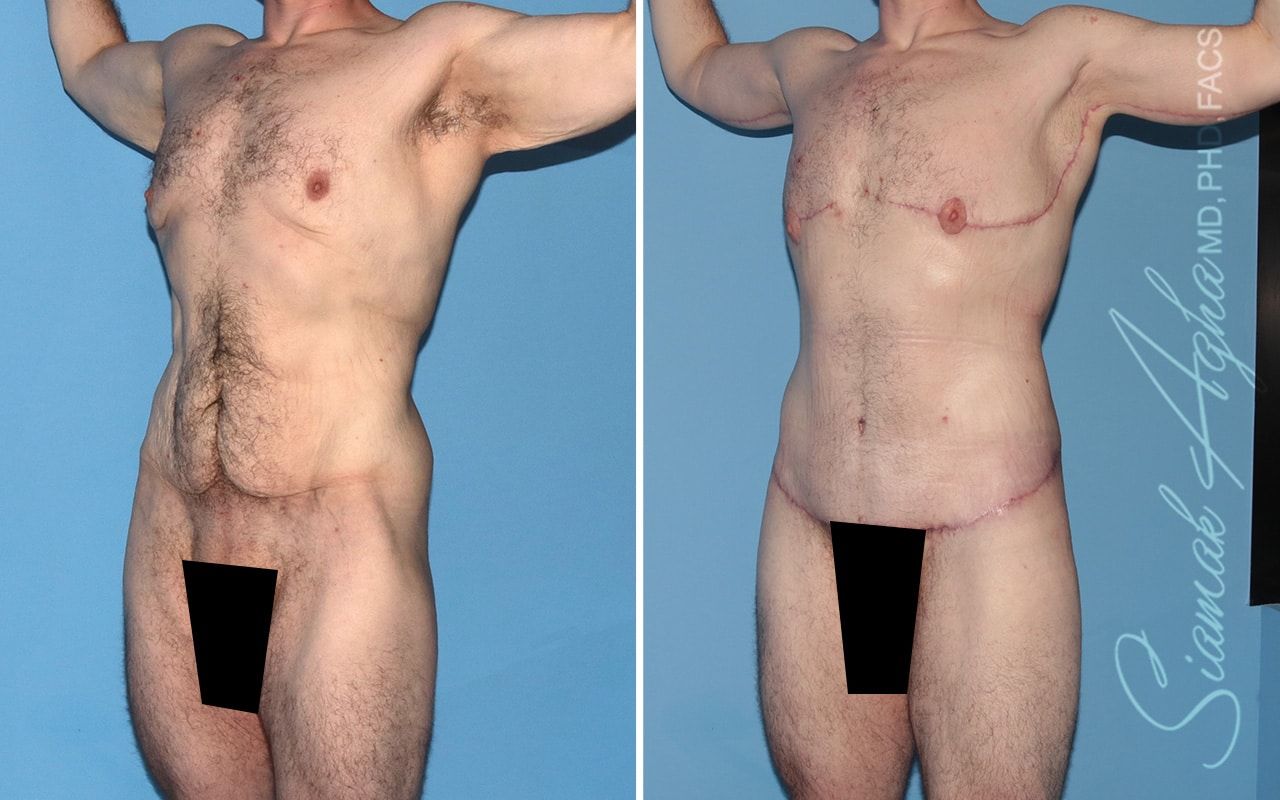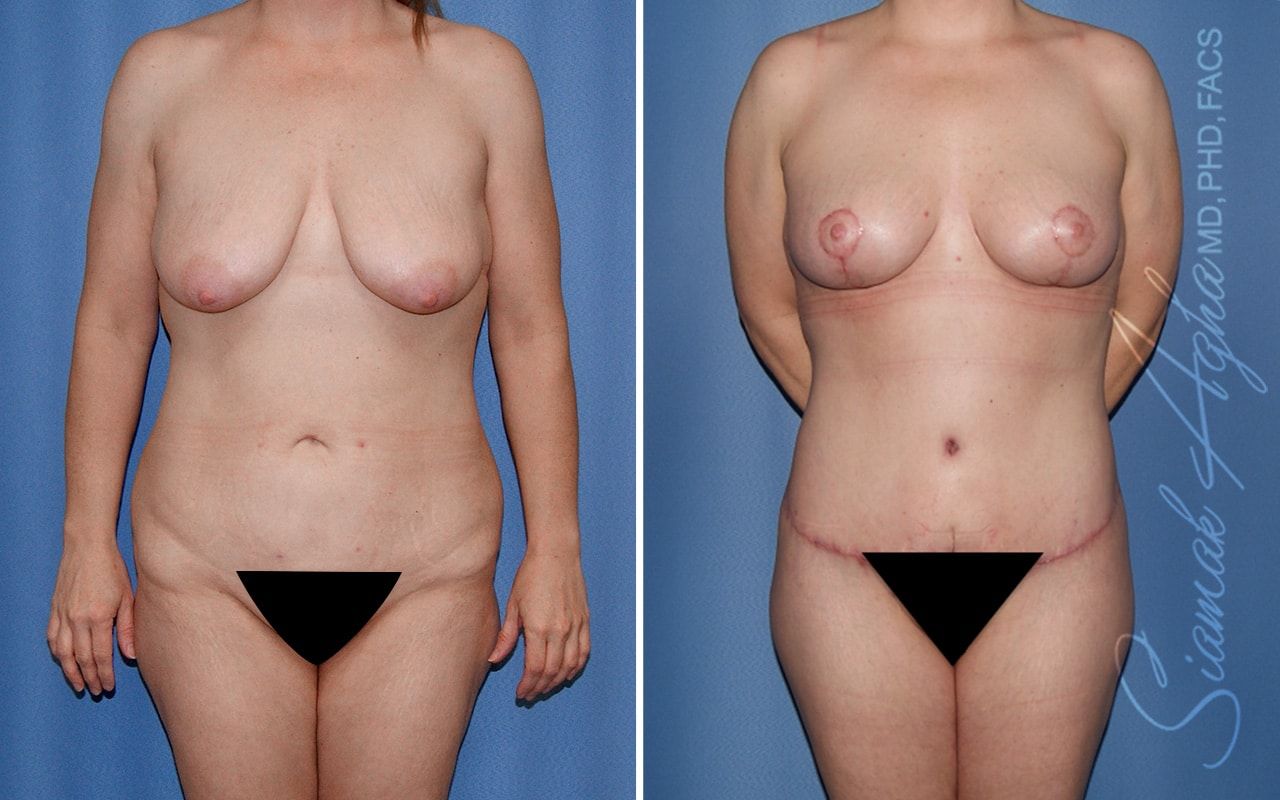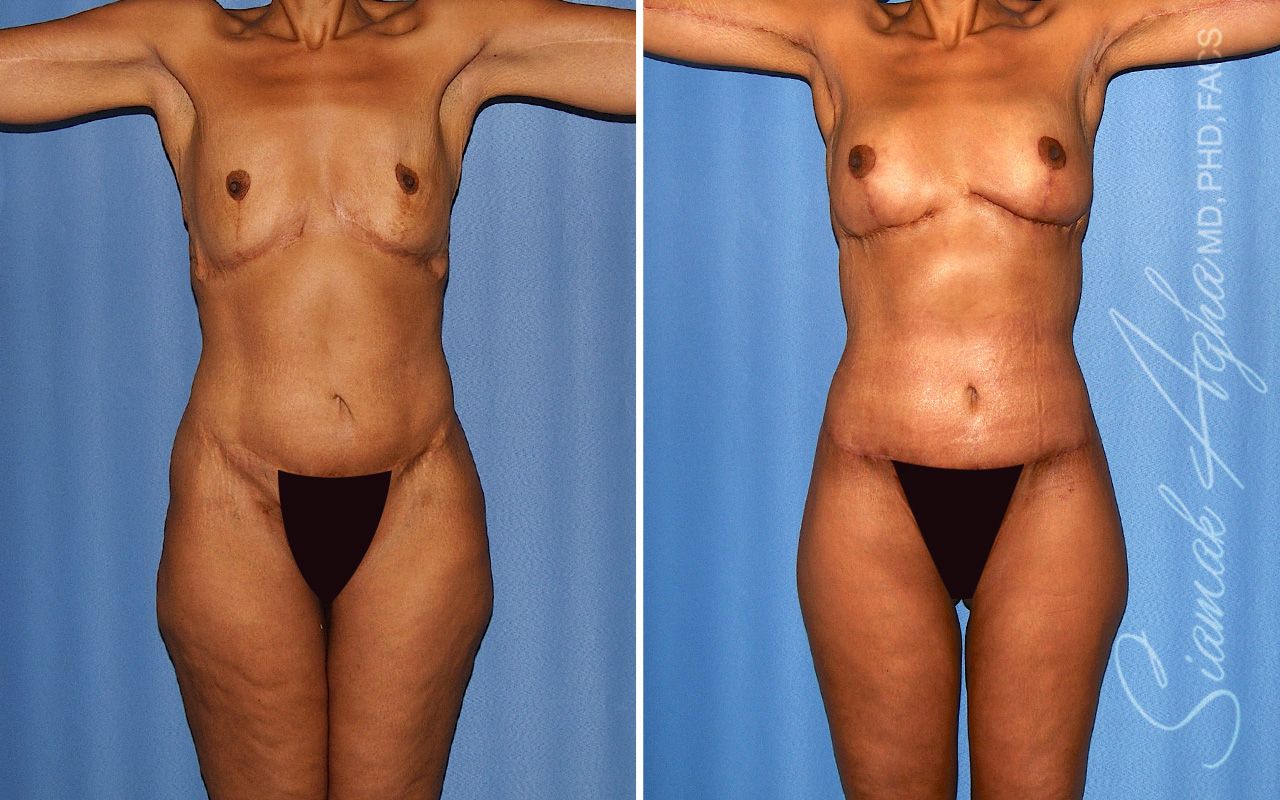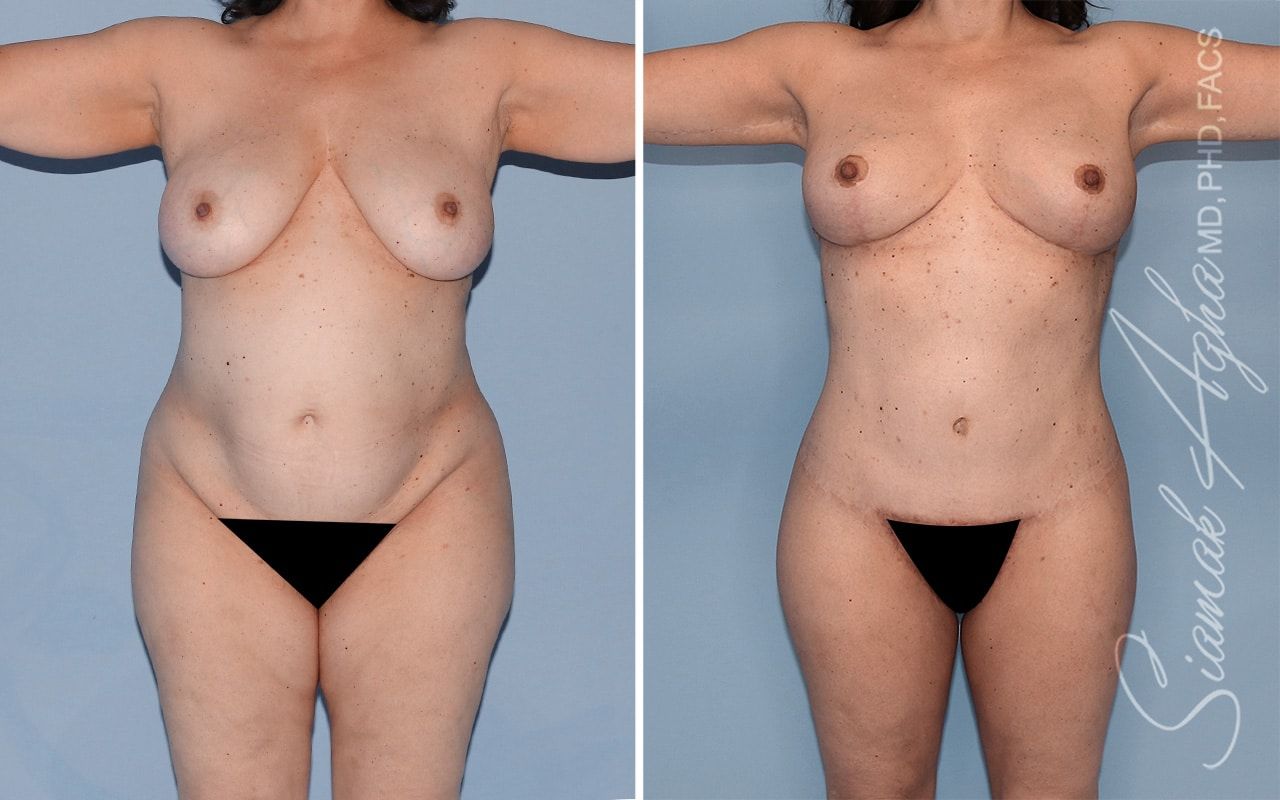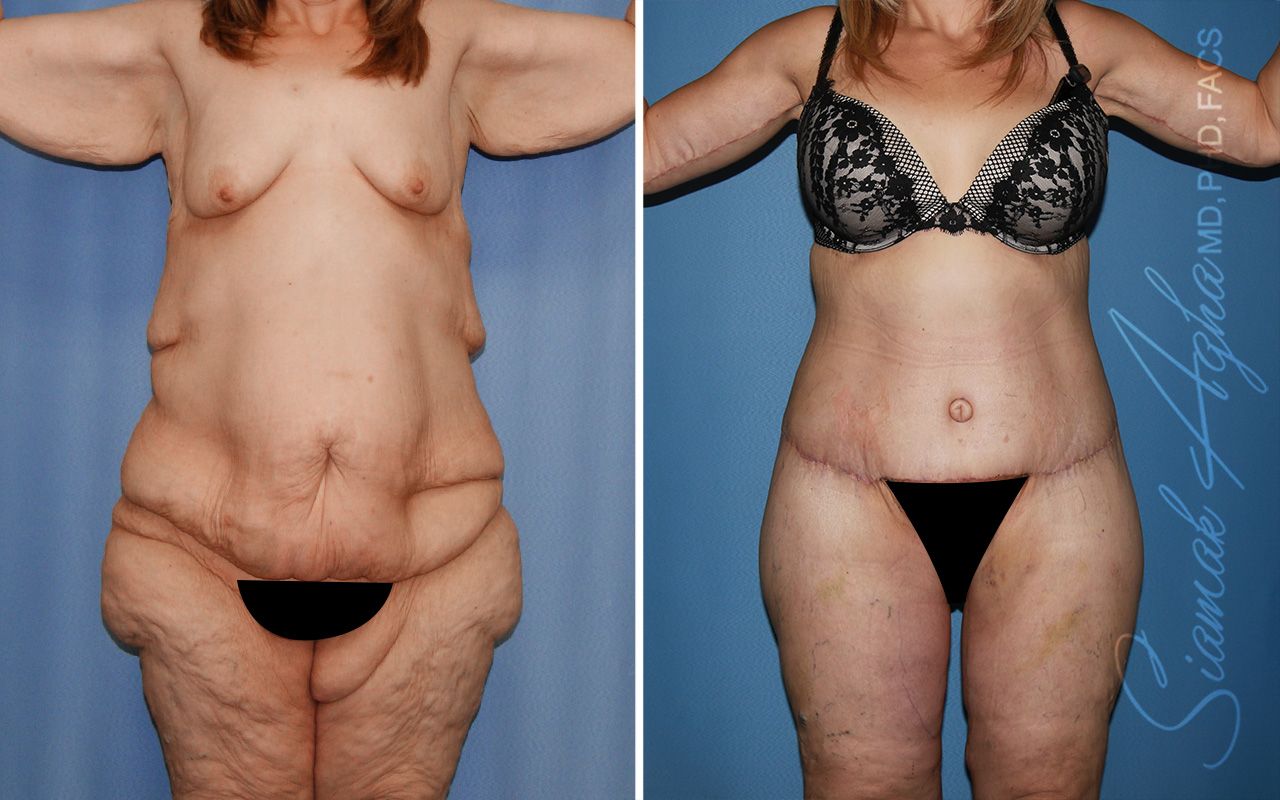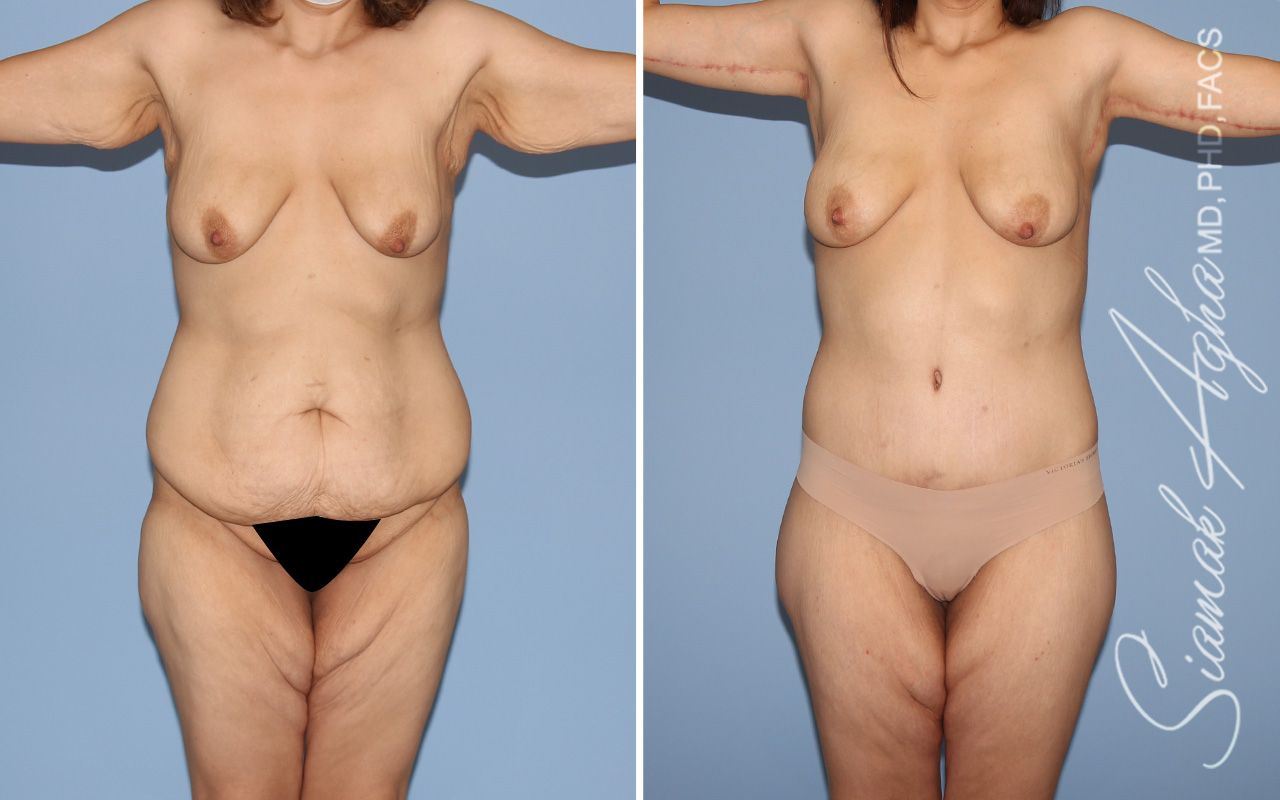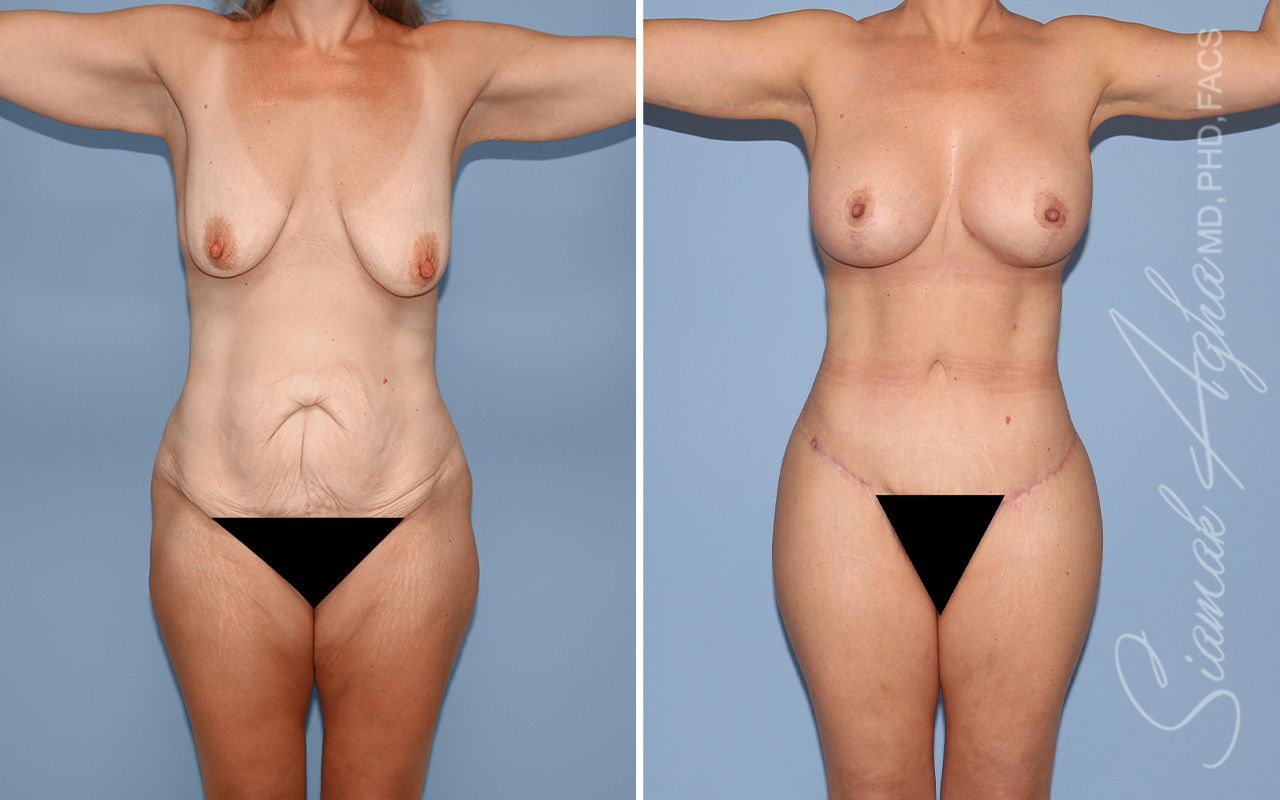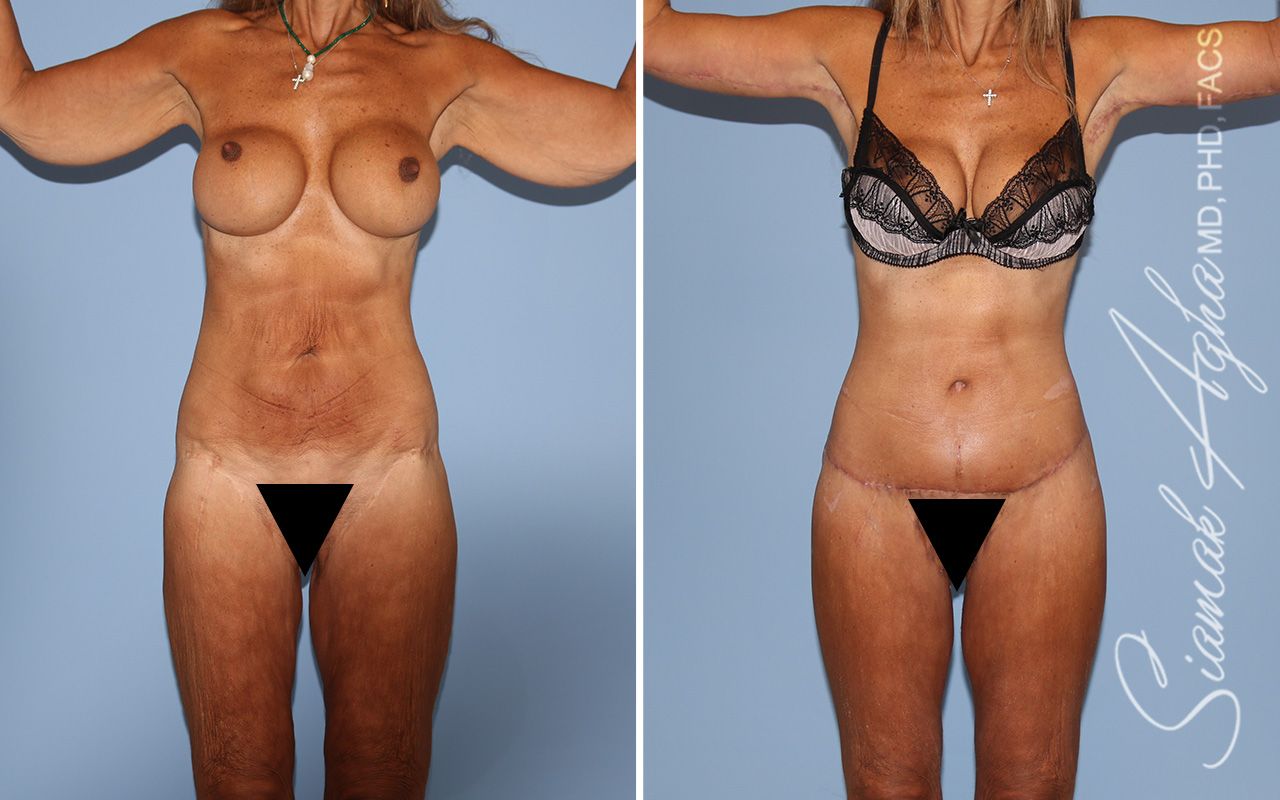
When considering plastic surgery after weight loss, before and after photos can say a thousand words. We encourage you to view these images carefully — paying attention to contour, symmetry, and proportion. These photographs offer a realistic preview of what may be possible and reflect Dr. Agha’s extensive experience in complex body lift surgery.
Dr. Agha is often described by patients as an artist plastic surgeon — someone who focuses not only on removing excess skin, but on restoring three-dimensional body shape. As he often tells his staff, the difference between good and great results is attention to the finer details.
1 of 69







Massive weight loss changes lives — but it also creates complex surgical challenges. Excess skin, loss of contour, and distorted body proportions are common.
Traditional body lift surgery often prioritizes the medical removal of excess skin, with limited emphasis on the final body shape, overall proportions, or how the patient’s anatomy will look once healing is complete.
Dr. Agha’s techniques were pioneered specifically to move beyond skin removal alone. His approach to body lift surgery is designed to restore body proportions, improve anatomical balance, and enhance overall shape, creating results that look intentional, refined, and natural after weight loss.

Board-certified plastic surgeon, Dr. Siamak Agha, MD, PhD, FACS has spent over 20 years perfecting the art of body contouring and body lift surgery. During this time, Dr. Agha has pioneered new techniques in the field of plastic surgery after weight loss. These include the High-Definition Body Lift™, Spiral Thigh Lift, Internal Dermal Bra Breast Lift, J-Thoracoplasty and various buttocks augmentation and reshaping procedures. Dr. Siamak Agha is:
Dr. Agha pioneered his body lift techniques to address limitations he repeatedly observed in traditional post–weight loss surgery — where excess skin could be removed, but body shape, proportion, and anatomical harmony were often not restored.
Each procedure was developed to solve specific structural problems seen in post–weight loss patients.
After massive weight loss, the body often loses definition around the waist, hips, flanks, and lower back. Traditional lower body lifts may tighten skin but leave the body appearing flat or disproportionate.
The High-Definition Body Lift™, pioneered by Dr. Agha, was designed to:
Breast sagging occurs when internal support weakens over time. Traditional breast lift techniques rely primarily on tightening the skin to hold the breast in a higher position, which can lead to recurrent sagging as the skin stretches.
The Internal Dermal Bra Breast Lift, pioneered by Dr. Agha, was developed to provide internal support using the patient’s own dermal tissue, rather than relying on skin tension alone.
The Internal Dermal Bra Breast Lift was designed to:
After major weight loss or aging, thigh laxity rarely occurs in a single direction. Skin and soft tissues loosen circumferentially, affecting the inner, outer, anterior, and posterior thigh. Traditional thigh lifts typically address only vertical or inner-thigh laxity, which can leave residual looseness, distortion, or unnatural tension patterns.
The Spiral Thigh Lift™, pioneered by Dr. Agha, was developed to:
After massive weight loss, laxity of the upper chest and lateral torso often occurs horizontally or circumferentially, creating chest-side folds that standard body lift or breast procedures do not address.
Popularized by Drs. Agha and Hurwitz in 2007, the J-Upper Body Lift was developed specifically to correct this pattern of laxity. It uses a J-shaped incision along the side of the chest, allowing removal of excess lateral chest skin and fat while advancing and anchoring back tissue forward for durable support.
This technique was designed to:
For mild laxity, the J-Upper Body Lift alone may be sufficient. In more advanced cases, it can be combined with a bra-line upper body lift and, when needed, a reverse tummy tuck to further refine upper-torso contour.
After massive weight loss, the buttocks often become deflated and sagging. A standard buttock lift raises the buttocks by removing upper buttock skin, but this reduces volume and projection, frequently leaving the buttocks flatter.
Dr. Agha developed his advanced buttock aug-shaping approach to lift, reshape, and restore projection at the same time, rather than lifting alone.
This approach was designed to:
By reshaping and repositioning living tissue — and using fat transfer when appropriate — Dr. Agha is able to precisely control buttock height, width, and projection to achieve a balanced, natural result.