
Why credentials, planning, surgical standards, and honest communication matter before any cosmetic procedure.
Plastic surgery can create meaningful improvements in appearance, confidence, and quality of life, but it should never be approached casually. Cosmetic surgery is elective, but it is still surgery. That means safety must come before trends, convenience, price, or pressure. A beautiful result is only truly successful when it is achieved through responsible planning, appropriate technique, and careful patient care.
Patient safety begins long before the day of surgery. It starts with choosing the right surgeon, understanding the procedure, reviewing medical history, discussing risks, and making sure expectations are realistic. It continues through anesthesia planning, surgical facility standards, recovery protocols, follow-up visits, and long-term care.
At The One Plastic Surgery in Newport Beach, Dr. Siamak Agha emphasizes that patient safety and aesthetic excellence are inseparable. The best outcomes come from a process that respects both the patient’s goals and the medical realities of surgery. The American Society of Plastic Surgeons also encourages patients to research risks and choose qualified plastic surgeons when considering cosmetic or reconstructive procedures.
In plastic surgery, safety is not separate from the result. Safety is the foundation of the result.
Choosing a Qualified Plastic Surgeon
One of the most important safety decisions a patient can make is choosing a properly trained plastic surgeon. Cosmetic procedures are widely marketed, and patients may see offers from many types of providers. However, not every provider has the same surgical training, experience, or ability to manage complications. This distinction matters.
A qualified plastic surgeon understands anatomy, aesthetics, surgical technique, wound healing, scar placement, complication prevention, and post-operative care. Patients should ask about board certification, training, hospital privileges, procedure experience, surgical facility accreditation, and anesthesia protocols. These questions are not rude or excessive. These questions are part of being an informed patient.
ASPS specifically advises patients to research surgeon credentials and confirm appropriate board certification. A responsible surgeon should welcome these conversations. Clear, direct answers help build trust and allow patients to understand the level of care they are receiving.
Patients should be cautious of choosing surgery based only on price, social media popularity, or dramatic before-and-after photos. A low price may not include important safety factors such as proper anesthesia, accredited facilities, experienced staff, follow-up care, or complication management. A strong online presence does not automatically equal surgical expertise. Safety requires more than marketing.
Medical Screening and Honest Consultation
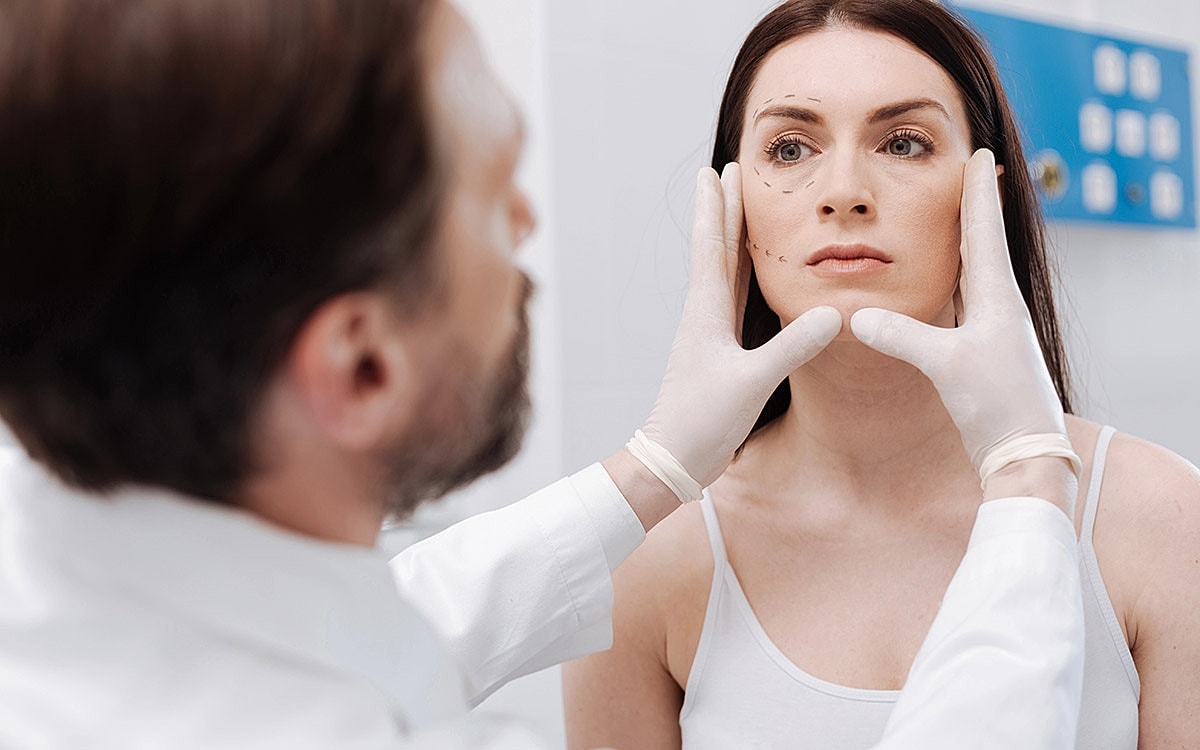
Patient safety also depends on proper medical screening. Not every patient is a suitable candidate for every procedure. A consultation should include a detailed review of medical history, medications, allergies, previous surgeries, smoking status, weight stability, healing history, and aesthetic goals. This information helps the surgeon determine whether surgery is appropriate and how to reduce risk.
Certain health conditions may affect surgical planning. Smoking, uncontrolled medical conditions, blood clotting risks, poor nutrition, unstable weight, or certain medications may increase complications. In some cases, a surgeon may recommend delaying surgery until a patient is healthier or better prepared. While such a decision may be disappointing, it is often the safest and most ethical recommendation.
Honesty is essential. Patients should disclose all relevant information, including supplements, nicotine use, previous procedures, and medical conditions. Withholding information can make surgery riskier. A plastic surgeon can only plan safely when they have a complete picture of the patient’s health.
The consultation should also include a discussion of expectations. Patients should understand what surgery can improve, what it cannot change, where scars may be placed, how recovery may feel, and when results may appear. Unrealistic expectations can lead to dissatisfaction even when surgery is technically successful. Good communication protects both safety and satisfaction.
Surgical Facility and Anesthesia Safety
Where surgery is performed matters. Cosmetic surgery should take place in an appropriate surgical setting with proper safety protocols, sterile technique, trained staff, emergency preparedness, and qualified anesthesia care. The surgical environment is a major part of patient safety.
Anesthesia planning is also important. Depending on the procedure, anesthesia may range from local anesthesia to sedation or general anesthesia. The safest option depends on the procedure, patient health, surgical duration, and medical judgment. Patients should know who will be administering or monitoring anesthesia and what safety protocols are in place.
The FDA’s role in regulating medical devices and providing public health information also highlights the importance of safety standards in healthcare. In plastic surgery, patients should understand that devices, implants, injectables, and surgical equipment all require careful use by qualified professionals. Safety is not just about the product or tool. It is about how, where, and by whom it is used.
Patients should avoid environments where procedures feel rushed, overly casual, or poorly explained. Elective surgery deserves the same seriousness as any other operation. A trustworthy practice will prioritize preparation, informed consent, facility standards, and post-operative support.
Understanding Risks and Informed Consent
Every surgical procedure has risks. This does not mean patients should be afraid of plastic surgery, but they should be informed. Possible risks may include bleeding, infection, poor scarring, delayed healing, asymmetry, changes in sensation, anesthesia risks, blood clots, fluid accumulation, implant-related concerns, or the need for revision surgery. The specific risks depend on the procedure.
Informed consent is more than signing paperwork. It is a conversation. Patients should understand the benefits, risks, alternatives, recovery expectations, and limitations of the procedure. They should have time to ask questions and should never feel pressured into making a quick decision.This is especially important because cosmetic surgery is personal.
Patients may feel excited, emotional, or eager to move forward. A responsible surgeon helps slow the process down enough to make sure the decision is thoughtful. The safest surgical plan is one that aligns with the patient’s anatomy, health, goals, and realistic expectations.
Patients should also be wary of guarantees. No ethical surgeon can promise perfection, scar-free surgery, or a complication-free recovery. What a surgeon can promise is careful planning, honest guidance, technical expertise, and appropriate follow-up care.
An informed patient is not just more confident. An informed patient is safer.
Post-Operative Care and Recovery Monitoring
Patient safety continues after surgery. Recovery instructions are designed to protect healing tissues and reduce complications. Patients may be advised to wear compression garments, avoid certain activities, take medications as directed, care for incisions, sleep in a specific position, avoid smoking, and attend follow-up appointments.
Ignoring post-operative instructions can affect healing and results. Returning to exercise too soon, lifting heavy objects, exposing incisions to sunlight, failing to wear compression, or missing follow-up visits may increase risk. Recovery is a shared responsibility between the surgeon and patient.
Patients should also know which symptoms require prompt attention. Severe pain, sudden swelling, fever, unusual drainage, shortness of breath, chest pain, calf pain, or signs of infection should be reported right away. It is always better to ask a question early than to ignore a potential concern.
Follow-up appointments allow the surgeon to evaluate healing, monitor swelling, assess incisions, and guide the patient through each stage of recovery. These visits are part of the safety system, not optional extras. These visits help ensure the body heals as expected and that any concerns are addressed quickly.
Safety and Aesthetic Excellence Work Together
Some patients think safety and aesthetics are separate priorities. In reality, they are connected. A surgeon who prioritizes safety is also protecting the quality of the result. Proper planning, careful technique, conservative judgment, and responsible recovery guidance all support better outcomes.
For example, removing too much tissue, choosing implants that do not match the patient’s anatomy, performing too many procedures at once, or ignoring medical risk factors may create avoidable problems. A safe plan may sometimes be more measured than what a patient initially imagined, but it often leads to better long-term satisfaction.
At The One Plastic Surgery, Dr. Siamak Agha focuses on personalized planning, patient education, and careful surgical execution. For Newport Beach patients considering cosmetic surgery, the safest path begins with asking the right questions and choosing a surgeon who values transparency as much as transformation.
FAQs
Why is patient safety important in cosmetic surgery?
Cosmetic surgery is elective, but it still involves medical and surgical risk. Safety planning helps reduce complications and supports better recovery and results.
How can I choose a safe plastic surgeon?
Look for appropriate training, board certification, experience with your procedure, accredited surgical settings, and clear communication about risks and recovery.
Should I tell my surgeon about supplements and nicotine use?
Yes. Supplements, medications, nicotine, and medical history can affect surgery and healing. Full disclosure helps your surgeon plan safely.
What are signs I should call my surgeon after surgery?
If you experience severe pain, sudden swelling, fever, unusual drainage, chest pain, shortness of breath, or other concerning symptoms, call your surgeon promptly.
If you are considering cosmetic surgery in Newport Beach, schedule a consultation with The One Plastic Surgery and Dr. Siamak Agha. Patient safety, honest education, and personalized planning are essential steps toward a confident surgical experience and results designed around your individual goals.
Recent Post
-

Mini vs. Full Tummy Tuck: Which Option Is Right for You?
-

How a Tummy Tuck Can Strengthen Your Core and Confidence
-

Tummy Tuck 2026: What’s New in Abdominal Contouring
-

Mini Tummy Tuck vs. Full Tummy Tuck: Understanding the Difference
-

The Ultimate Mommy Makeover Guide: Restoring Confidence After Motherhood